Cuttings: YouTube, education and Ghost
Quick links in and around journalism from the interwebs, annotated for your reding pleasure.


TV now lags YouTube for a generation
This won't be a surprise anyone with children, but it's worth noting:
YouTube is the most popular first TV destination for generation Alpha, according to a comprehensive survey of the UK’s viewing habits by Ofcom, the communications regulator.
One of this interesting sides of this is that they're talking about what happens when they turn on the TV, not on their tablets or phones:
One in five young TV viewers aged from four to 15 turned straight to the platform last year. The survey showed Netflix close behind. While BBC One was in the top five first destinations, children were just as likely to choose BBC iPlayer.
I see this with my daughters. They love movies and they love YouTube. Conventional TV is a hard sell. And as for “terrestrial TV” the connection between our aerial and our TV broke at some point over the last decade, but we have no idea when. We always stream, children and adults alike.
And, talking of adults:
YouTube’s increasing presence on televisions is not just down to the very young. In a gradual cultural shift, viewers aged 55 and over watched almost twice as much YouTube content last year as they did in 2023, up from six minutes a day to 11 minutes a day. An increasing proportion of that – 42% – is viewed through a TV set.
One of my worries about the rise of Creator Economy-derived journalism is that most of the industry hasn't figured out YouTube yet. And my bigger one is that YouTube is becoming a massive gatekeeper of video content. We should be alarmed by this.
 Michael Savage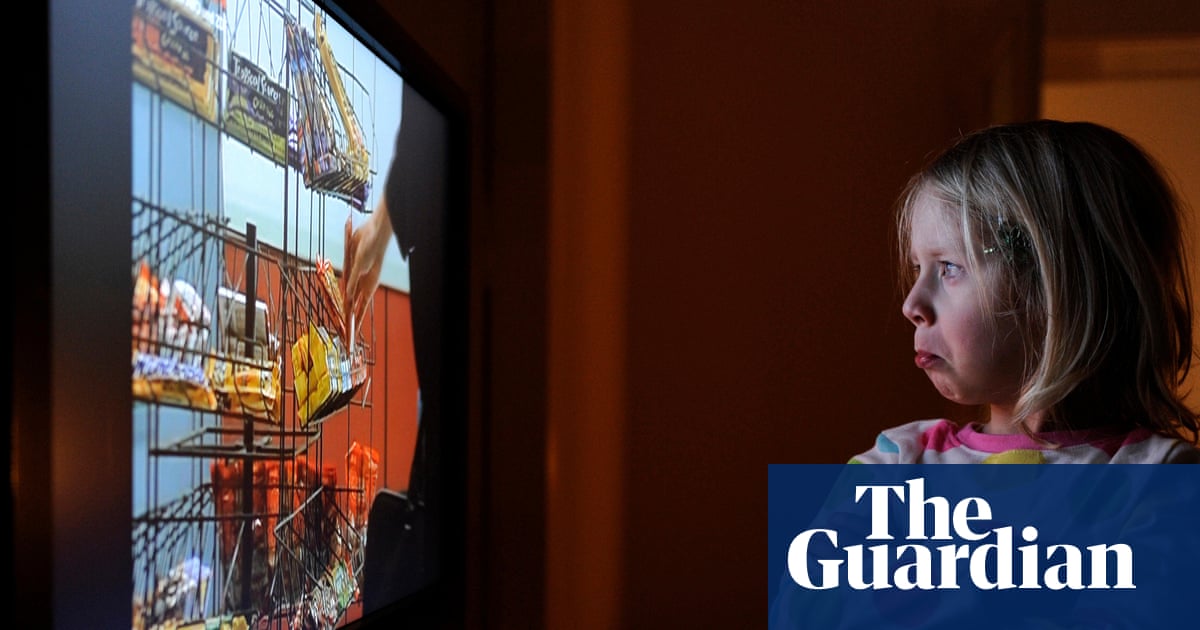
25 years of journalism teaching
I hit my 20 last month, so Andy Dickinson has five years on me. This is a mix of reflections on universities in the 21st Century – as my wife put it “you could replace ‘journalism’ with ‘biomedical science’ and it would all still be true” – and journalism. While Andy critiques the approach of universities to journalism, he also has some words for the industry:
But we can’t let industry off the hook here. For everyone but those in it and around it, the perception of journalism and its value is measured by its output and impact. Over 25 years, there have been times when I have honestly despaired at what the industry leaves us to work with. The times I’ve looked at some coverage and thought, "this has just made my job teaching and defending journalism harder" How can we get students and colleagues in academia to respect journalism for what it is and how we do it if the industry throws that against the wall for short-term gain?
Encore, maestro.
 Andy Dickinson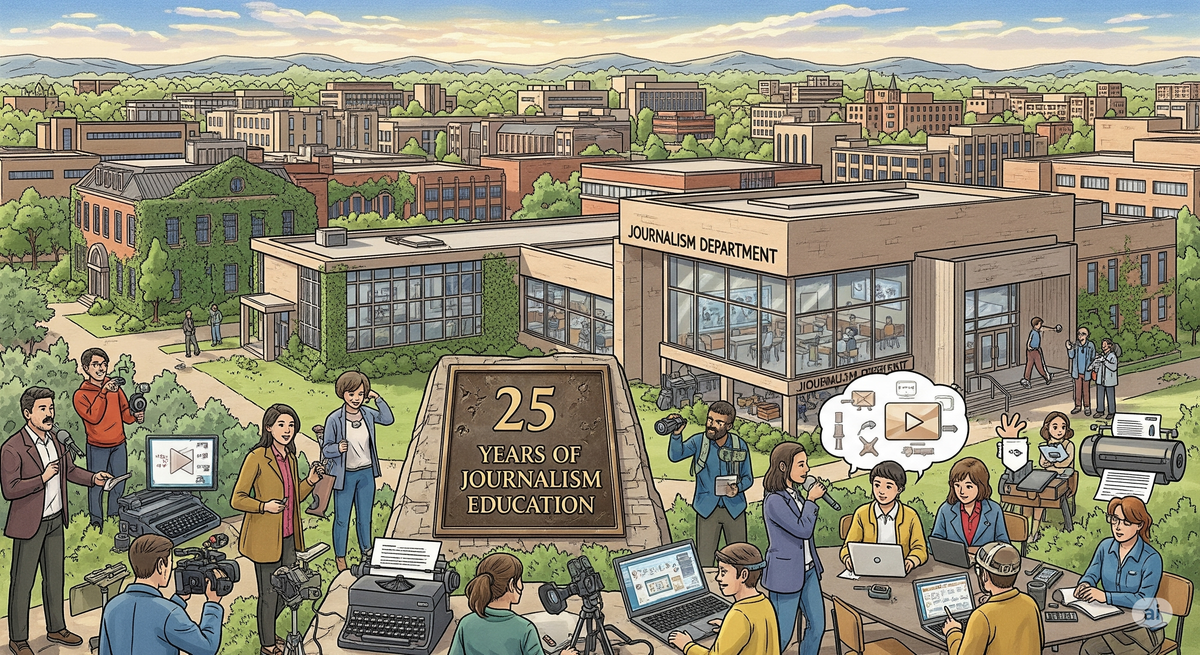
Modern hauntings
There's been some great and thoughtful reactions to the launch of Ghost 6.0. Ben's one is worth reading for its focused clarity. He highlights two points: the ActivityPub integration giving reach without platform lock-in, and amount of money being generated by publishers using the platform:
It’s also worth noticing that publisher revenue is increasing far faster than Ghost’s take, which is an indication of how good the deal is.
You can see why many successful Substack publishers end up migrating to Ghost.
 Ben Werdmuller