

Defending Democracy: how does journalism play its part?
Democratic backsliding and the decline of journalism are connected. A panel at the Media Freedom Forum discussed how one can save the other.

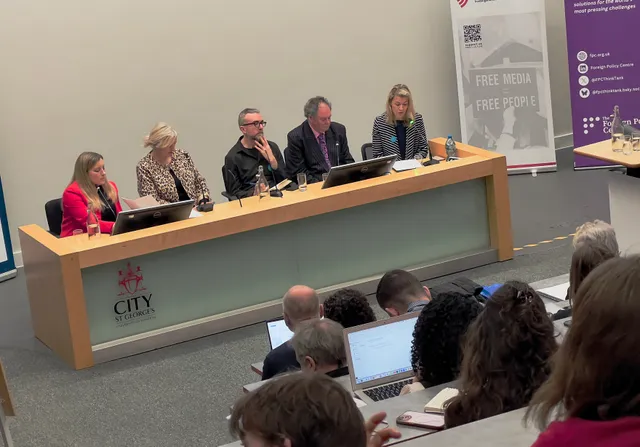
Last week, City St George’s hosted the Media Freedom Forum over the 5th and 6th March. I was only able to dip in intermittently on the second day, but I focused on the two panels that most interested me. Below are my notes from the panel on democracy and disinformation that seemed very keen to talk about democracy, and a lot less interested in talking about disinformation.
The reasons why are worrying, to say the least. Buckle up. This is not a cheerful one, my friends.
Panel
Chair:
Rebecca Vincent, Media Freedom Expert
Speakers:
- Peter Geoghegan, founder and editor, Democracy for Sale
- Carole Cadwalladr, investigative journalist, The Nerve
- Mark Stephens CBE, partner at the UK law firm Howard Kennedy, and co-chair of the International Bar Association's Human Rights Institute Council
- Hannah Perry, director of digital policy, DEMOS
Carole Cadwalladr: a time of dangers
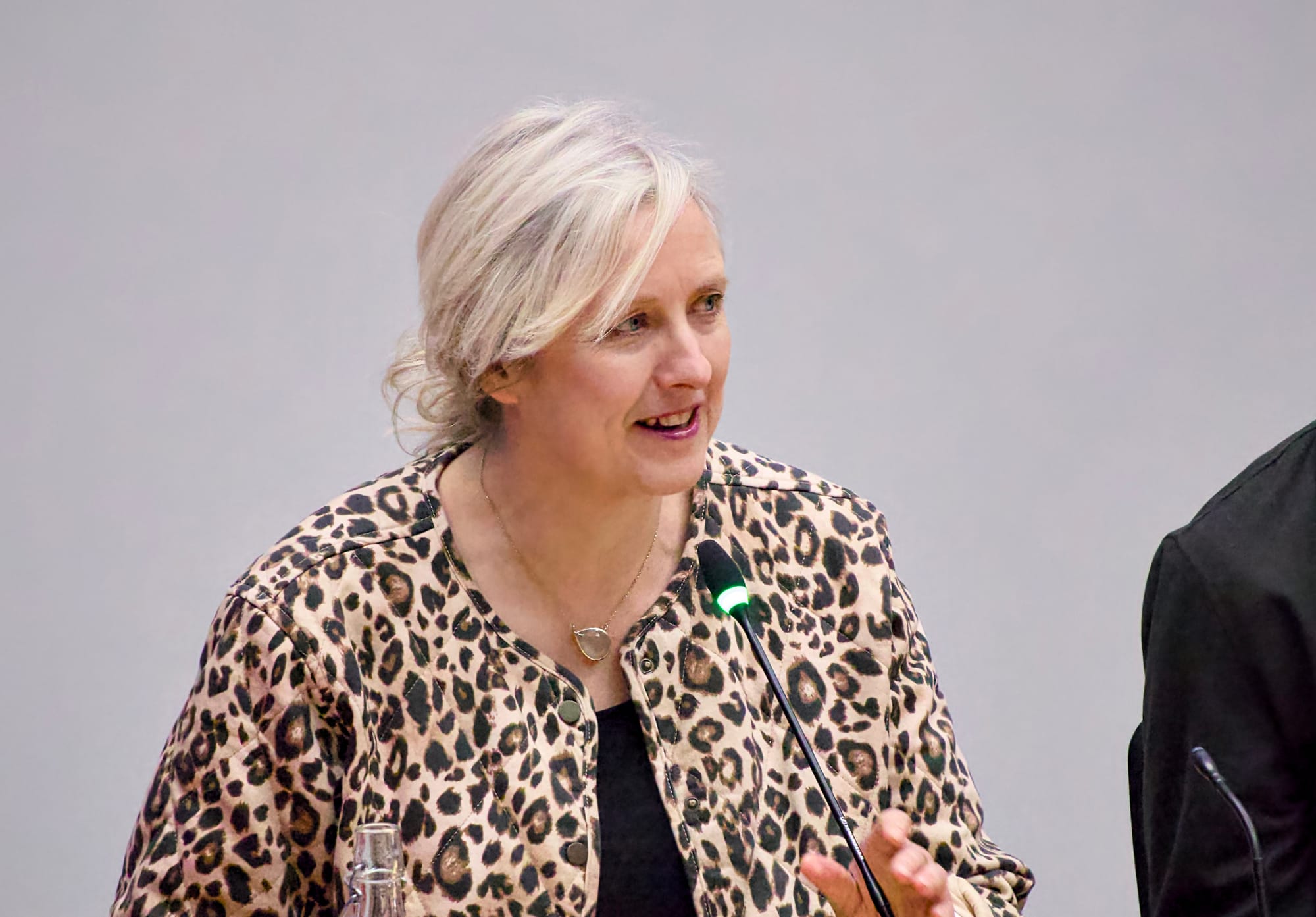
Carole’s role, she declared, was to set context. “These conferences are vital — but can become a talking shop. And there’s a danger of creating a sense of normalcy — we are not in normal times. We are in a particular, particular time of dangers. We are seeing a global fascist resurgence. And that is coming to Britain in just a couple of years.”
However, she argued, the biggest source of disinformation in the UK right now is the mainstream media — owned by offshore oligarchs who have a political agenda and are trying to bounce us into an illegal war
And she’s uniquely positioned to comment on that, after the legal harassment she went through for her reporting on the influence campaigns behind Brexit. “What happened to me is going to happen to other journalists,” she said, echoing the predictions of Jodie Ginsberg from 48 hours earlier.
No wonder she attacked the sheer ignorance of journalists in understanding the threats against them – particularly female journalists, particularly female journalists of colour. Publishers need to protect them.
And, of course, technology is accelerating this. “AI-fuelled disinformation will be used against individual journalists,” she said.
She also attacked the self-capture of media companies by tech companies. “They are signing up for this shady deals with these tech companies, legitimising the theft of their data and copyright,” she said. “It’s like going into a strategic partnership with Trump.”
Peter Geoghegan: tech, money and politics
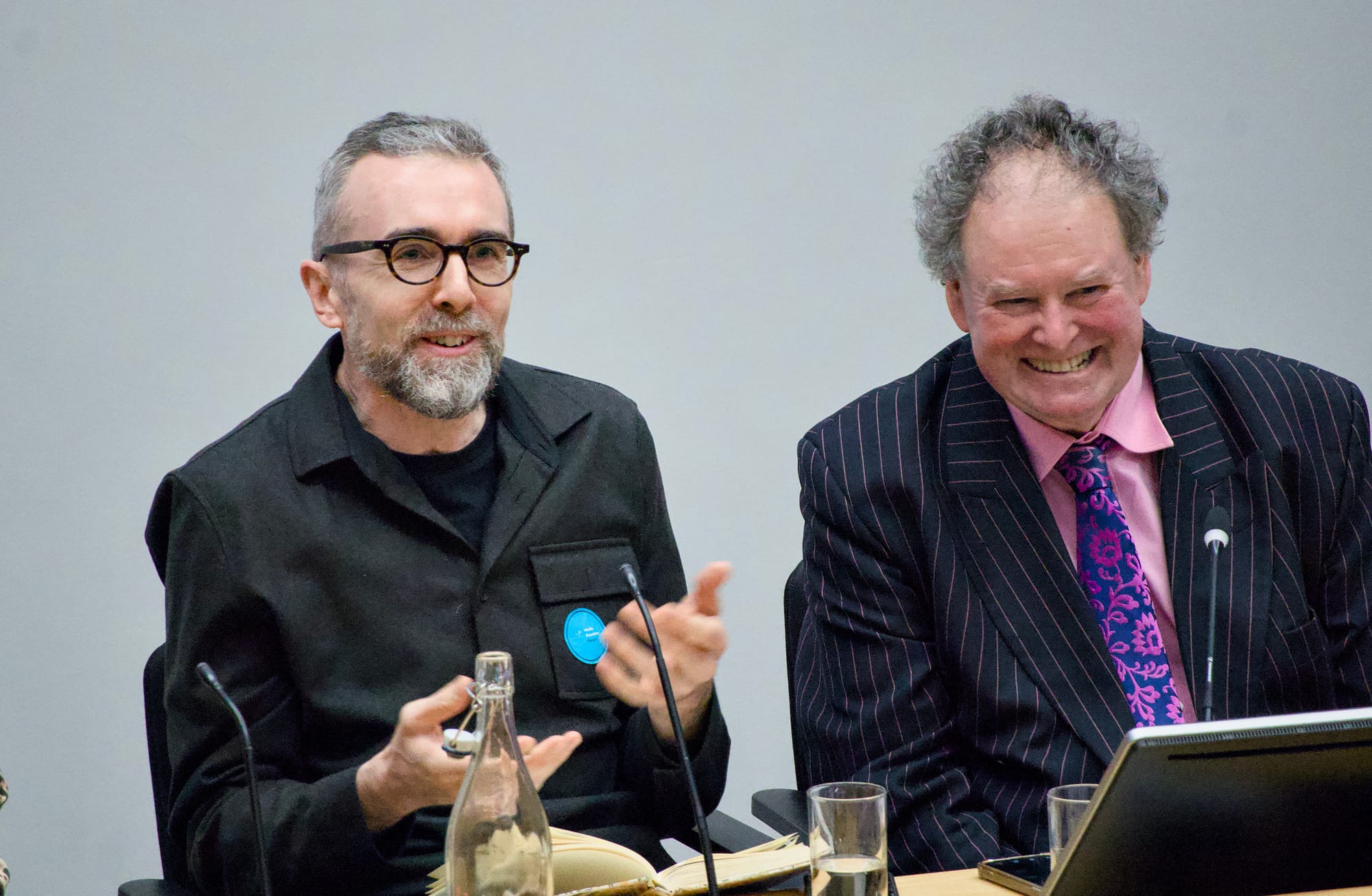
Peter, like Carole, has now entered the world of media startups with his award-winning newsletter Democracy for Sale hosted on Substack.
“We’re really interested in dark money, hidden influence,” he said. “We’ve been doing a lot of reporting on tech, trying to understand how big tech intersects with our democracy. We’re trying to understand how big tech is able to exert influence. Where is the narrative that AI is going to change everything coming from?”
However, they are coming at the story from the political and business angle, not the technology one. “We’re not tech reporters, none of us at Democracy for Sale are,” he said.
Through their investigations, it’s become clear that the Tony Blair Institute was a big part of the emergent AI narrative. Larry Ellison, of Oracle, is now a big player. Big tech is becoming a big, big media player. “They have remembered something a lot of people have forgotten: the power of media.” said Peter.
“We’re a tiny news organisation. But we were one of the few organisations looking at the impact of the Tony Blair Institute.”
And the links are substantial: Larry Ellison has donated or pledged £257m to the TBI.
“We’re seeing this bleeding between oligarch interests and politics,” he said. “It’s not just money — it’s using their platforms. Musk was able to turn X into effectively a recruiting tool for Donald Trump.”
He suggested that we’ve misread tech companies as essentially libertarian – and they’re not, they’re very interested in state monopoly power. “We’ve left tech reporting to tech experts too much -WIRED have done good work, 404 Media are doing great work.”
We still need journalism, but we need to find better ways of talking about it, he suggested. We tend to talk about “public interest” – and it’s become a boring term that puts people off. And we need to accept that damage has been done to our reputation by things like phone hacking.
“Free people need a free media”.
Mark Stephens, CBE: the chilling effect of lawfare against journalism
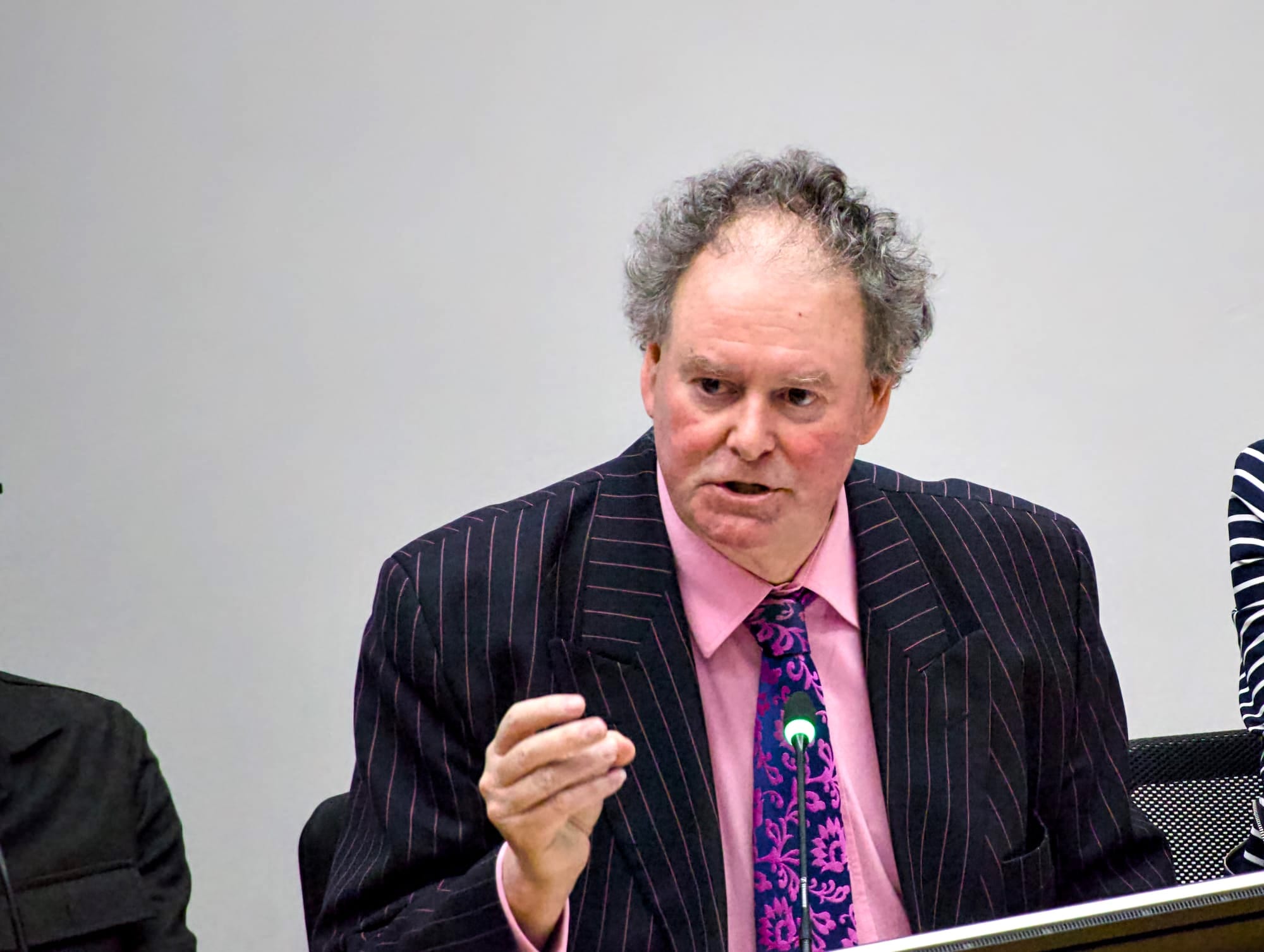
Peter’s reporting on Labour Together made Mark aware they weren’t just profiling journalists, they had a profile on me. “They’re interested in gobby lawyers, too,” he laughed.
The most effective form of control of journalists isn’t censorship — it’s legislation. And it’s the weaponisation of the legal system to exhaust and intimidate the people who come through. It’s lawfare with better tailoring. SLAAPs are about winning space, time and fear, not cases.
The common feature of these tactics is an asymmetry of power. It’s about attrition and abuse of power. These cases rarely reach judgement — they don’t need to. This is the chilling effect that Julie Posetti has documented.
In the use, “Biden failed to put in place the protection democracy needed”, Mark suggested. “Look at the Project 2025 Tracker, monitoring the implementation of a plan to break down civil society. How do we prepare for a Farage government, and protect against the abuses of power that could occur?”
Elections are the inflection point of maximum democratic vulnerability, he suggested. We saw that in Brexit. Authoritarians don’t need to ban journalism, they just need to make it too expensive, too risky, too lonely.
“The rule of law should protect journalism, not bury it.”
Hannah Perry: a democratic emergency
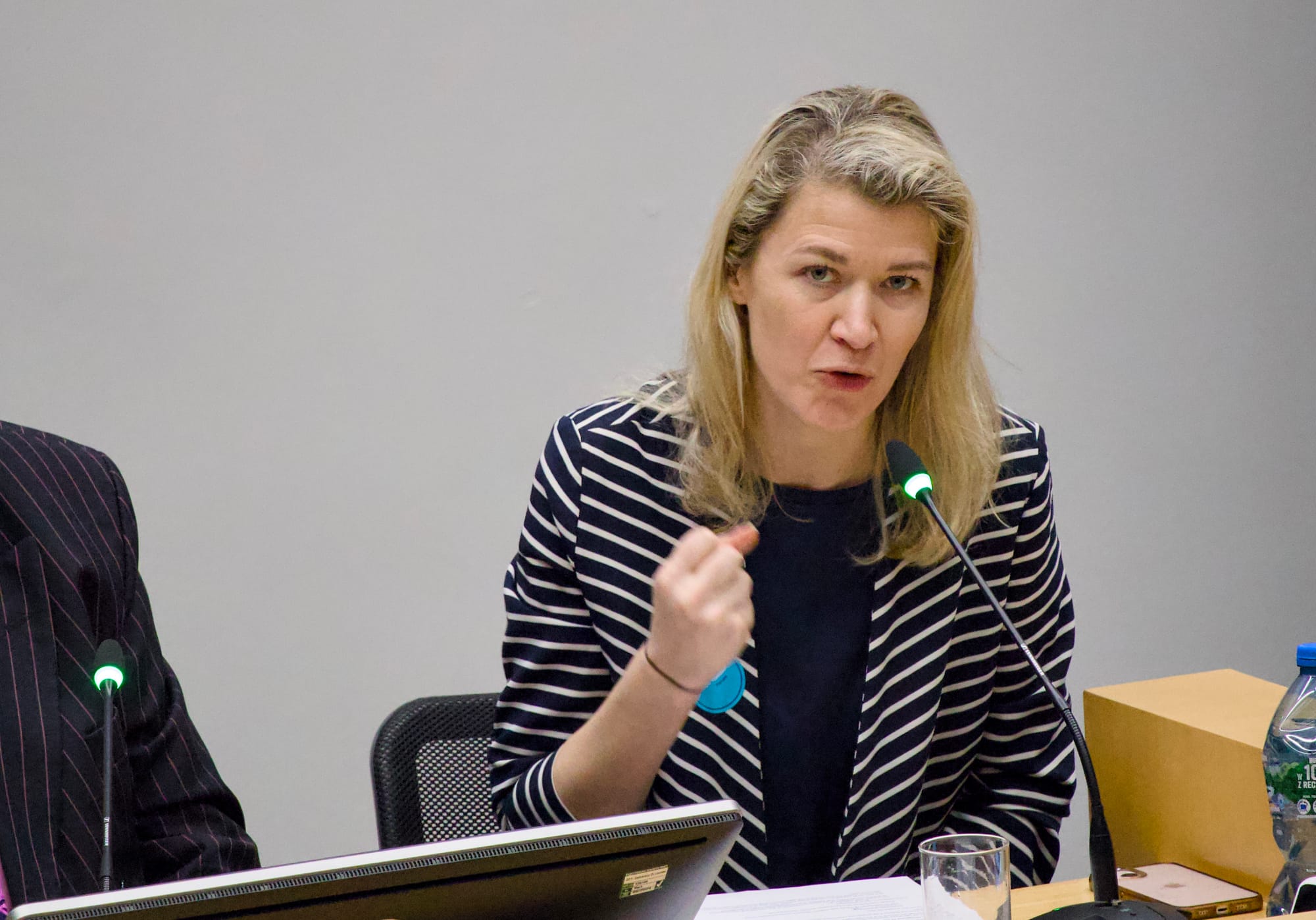
Hannah started off bluntly: “We are living in a democratic emergency.” Why? There’s an emerging democratic doom loop of disengagement and distrust leading to a reduced appetite to understand, seek connection, and debate with one another.
What we need epistemic security: protecting and defending our knowledge as citizens. “By protecting our information environment, we’re protecting our democratic health,” she said.
Instead, we’re seeing the increasing concentration of power in unaccountable hands.
So what are they doing? Well, they’re tabling amendments to the Online Safety Act, targeting harassment, deepfakes, and critical incident responses. There are a number of MPs supporting them on this. They are hoping they can set a precedent that if we can get these protections for MPs and candidates, that can be extended to other democratic players.
Then there are the threats to the BBC: both financial and to its independence. Trust in it has faltered — but it is still uniquely trusted by both the left and the right. It acts as an informational safety net. Demos has prepared a number of responses, including:
- Remove the 10 years charter expiry date
- End political appointments to BBC board
- An independent BBC funding commission
- Embedding citizen participation in the governance of the BBC — an alternate form of democratic legitimacy.
Discussion: the role of disinformation
Mark:
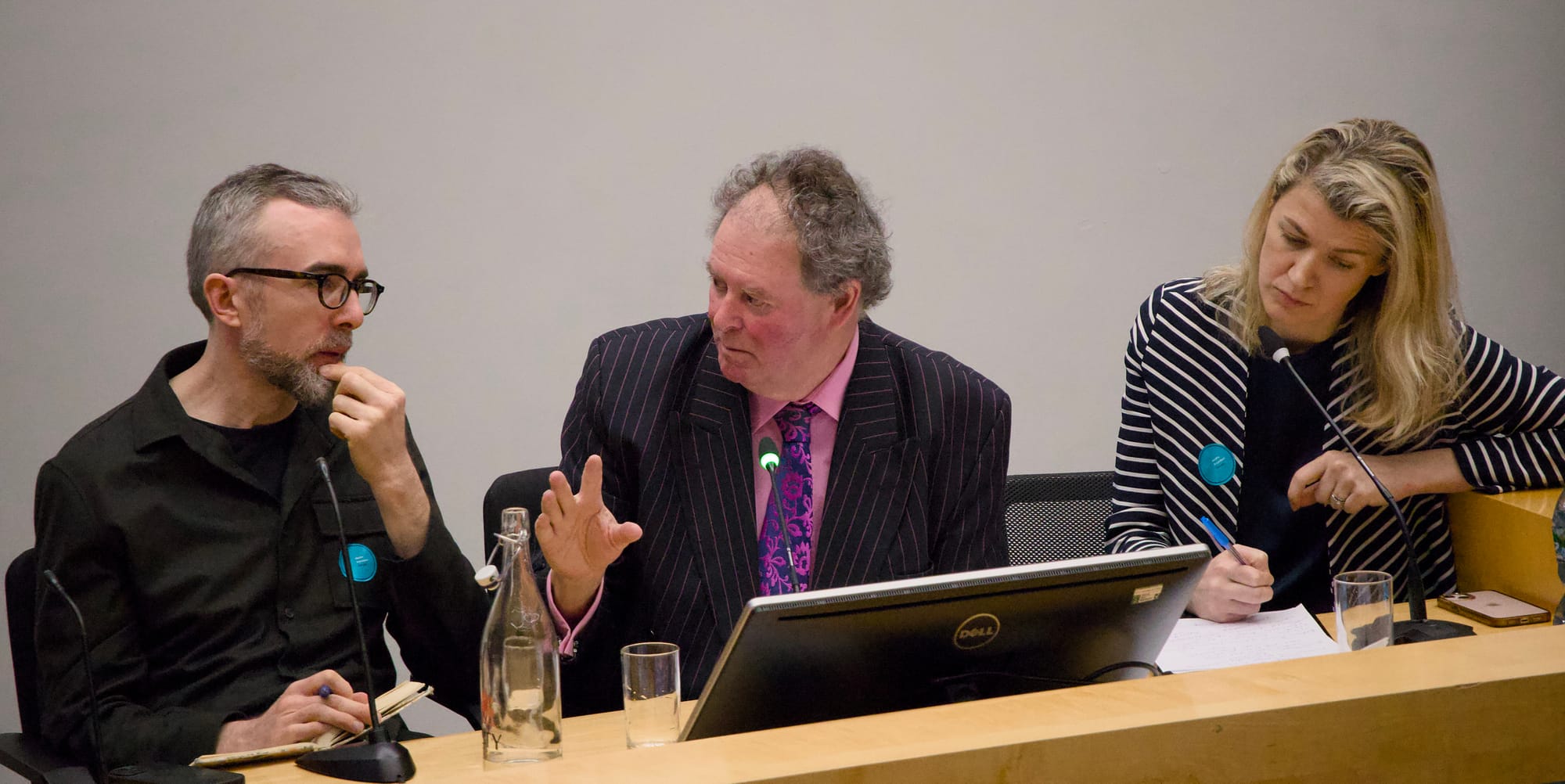
We don’t allow foreign money into our elections, but we do allow foreign disinformation. One of Musk’s former partners gave evidence that he suppressed some voices and promoted others. We’re not just dealing with bots and artificial content, but also amplification and algorithms. If something is causing a harm, we should have disclosure and accountability.
Peter:
The sorts of ads we saw in Brexit can now be done at scale with AI. On scale influence operations. Elon Musk is not the only player in this game. It’s an existential issue. Why is the British Government still on Twitter? If you look at their tweets, they get no interaction. We need to signal that we care about this. We have no oversight over them.
Carole:
I’m exhausted by panels on disinformation. That discussion is over, we missed that boat. There was a moment when we could have regulated. Now? It’s a crime to talk about disinformation in the US. It’s no longer about what’s happening on the platforms — we need to go up a level. It’s about the relationships between the tech companies and the government. The government have signed a huge number of deals with these companies, and that’s what’s making it ineffective.
“The Labour government is asleep at the wheel.”
Earlier in the morning, Emily Thornberry had given a talk. But, as Carole pointed out, “she pissed off and didn’t listen to this”. How do we elevate this up the political agenda? If you report on this, you become first in the firing line.
“We are utterly, utterly vulnerable, and we need to change the conversation.”
Mark pointed out that the Russians and the crypto world have switched from funding the Tories to funding Reform and the right-wing organisations.
However, one point of disagreement was over the big media companies doing deals with the big AI companies. Hannah thought that the Spur Coalition was encouraging. Carole? Not so much.
“They’re legitimising the stealing of our work. It’s fine for big organisations, but smaller ones can’t make these deals. It’s gangsterism. “
Hannah did acknowledge that there was work to be done. We need an AI bill that doesn’t give the AI companies an opt-out from copyright law because it’s making journalism fundamentally unsustainable.
The government isn’t leading on this.
Q&A
Q: We don’t talk enough about funding in these conversations. Financial independence = editorial independence. How do you have serious conversations about funding?
Peter thinks there isn’t really a conversation. His outlet is funded by readers. Britain has a weak network of non-traditional mainstream journalism. We don’t have medium-sized online-only outlets. This conversation needs to happen. We’re small, we do good work, but we don’t have the resources to do this at scale.
Hannah points out there is an independent local news strategy that has been moving through government for 18 months now. They’re calling for a fund to support independent media. There’s also an opportunity to reform the local democracy reporting service — and not have all those contracts go to the big three local news companies.
She also asked if defence funding move into supporting the world service?
Carole was adamant that we have to do this ourselves. “Not even the big liberal news organisations supported us.”
Q: How to cope with AI?
Peter thinks politicians seem very incurious about understanding AI and the platforms.
“Democracy doesn’t collapse in a coup, it erodes in the face of bots and disinformation,” said Mark. “Journalists get drowned out by these other things — the means of distribution are not fairly addressed. Addressing it through “free speech issues’ won’t get us anywhere — that boat has sailed.”
His conclusion is that we need to go via a health and safety route — does this technology have flaws? If so, it is harmful?


