

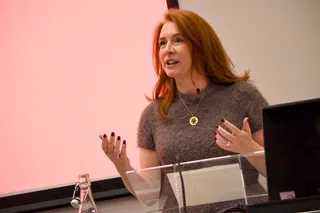
Jodie Ginsberg: the urgent need to protect journalists
An attack on journalism is often the herald of an attack on democracy. In this year's James Cameron Memorial Lecture, Jodie Ginsberg sounded the alarm.

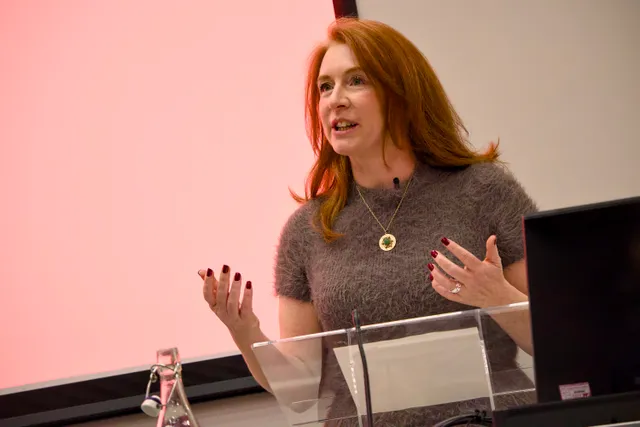
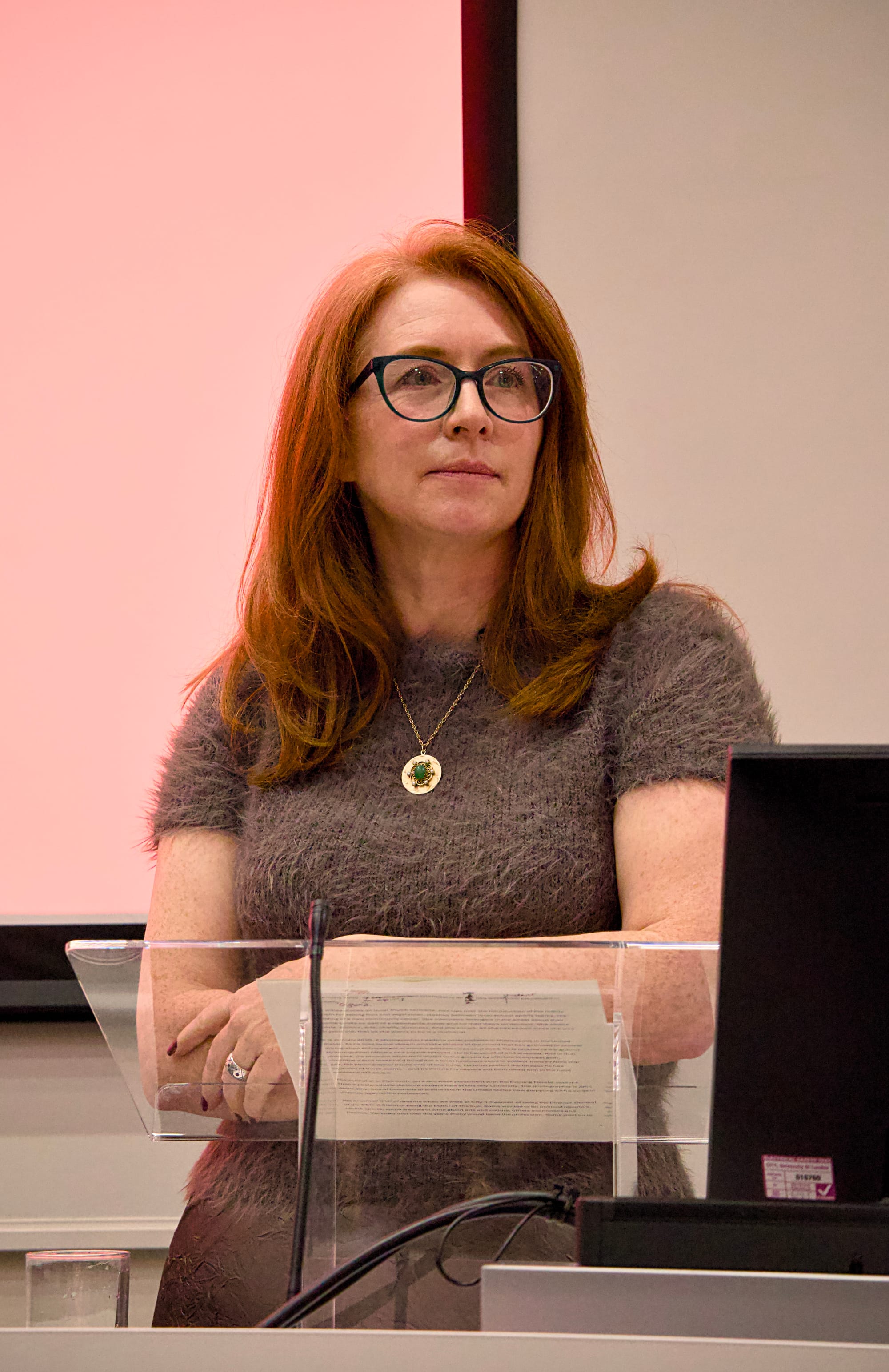
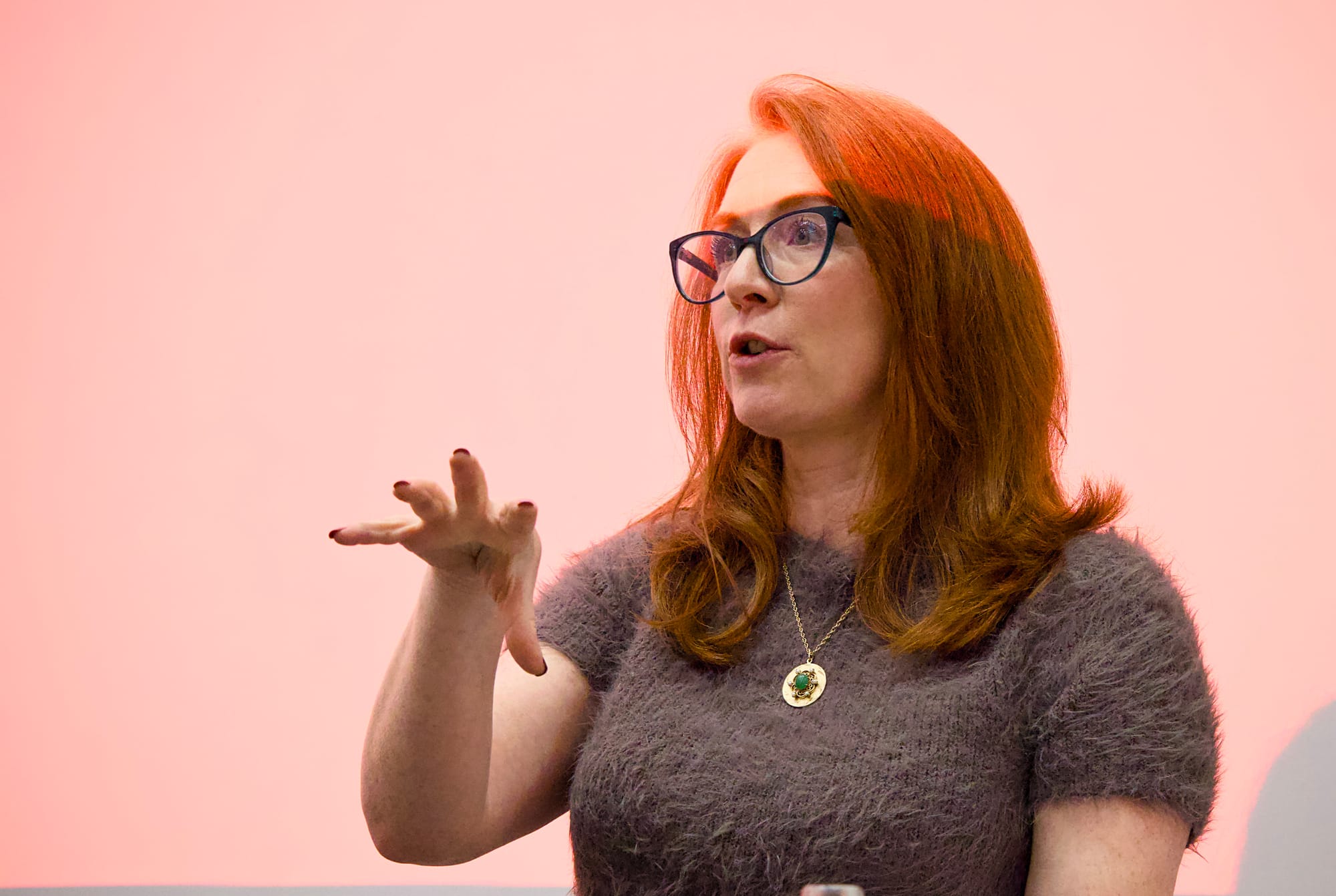
This year's James Cameron Memorial Lecture was delivered byJodie Ginsberg, Chief Executive Officer of the Committee to Protect Journalists.
The James Cameron Memorial Lectures often manage to shift my perspective on the role of journalism in the world, but this year’s one, delivered by Jodie Ginsberg, felt both important and deeply, deeply urgent.
“To control a population, you need to control the flow of information to them,” she said. And attacking the press is the first step. Anyone who has been watching the attitude towards the press in countries drifting towards – or already in – authoritarianism will be familiar with the playbook: smear, harass, attack, kill.
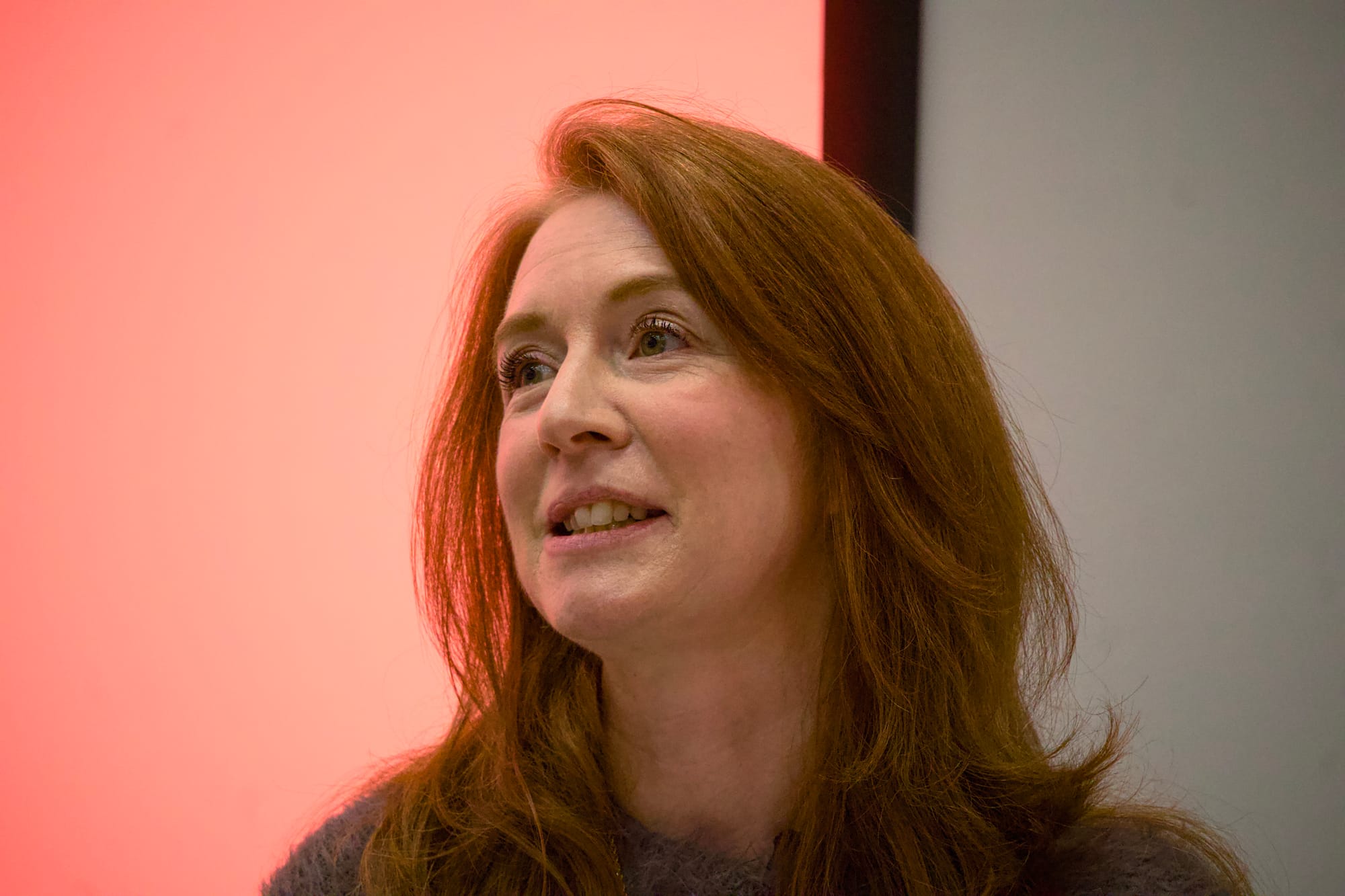
Smearing might just sound like playground bullying, Ginsberg said. But it works, from Trump to Orbán. She points to Pete Hegseth in the US, talking about journalists roaming the halls of the Pentagon as if they were a threat to security.
“Journalism is being rebranded as a subversive act.”
The fundamental problem with this is that national leaders behaving in that way creates a permission structure for harassment.
From smearing journalists to harassing them
Harassment of journalists can take financial form, for example by cutting funding. The Trump administration has all but eliminated financial support for media. And then there’s harassment via the courts.
The next step? Actually criminalising journalism. The previous steps soften the public up for this, by sewing doubt in the minds of the public about journalists and their reporting. And then, the authorities can take steps to silence individual reporters, thereby acting as a warning to others not to step out of line.
She gives some familiar examples: Jimmy Lai in Hong Kong, Isreal smearing journalists as terrorists. And, in some cases, those attacks lead to the deaths of the journalists.
“Killing journalists is the ultimate form of censorship. “
Of the 129 journalists killed last year, 86 were killed by Isreal. The Isreal Gaza war is the deadliest on record for journalists.
“Journalists are civilians,” said Ginsberg. “Deliberately targeting them is a war crime.”
We need good information for healthy societies
This matters because good information is a prerequisite for free and open societies. Attacks on journalists are a warning sign that attacks on our rights will follow.
Conversely, a free press should protect our rights. “In the UK, it is journalists who repeatedly expose political scandals,” she pointed out.
We need a standing, independent international task force investigating crimes against journalists, Ginsberg suggests. But, equally, we can all help – with our wallets. How? By spending money — and investing it in local or niche media.
“Subscribe to your local news outlet.”
Those of us in academia can help by building modules for all; our courses that teach journalists how to keep themselves safe both online and offline.
Journalism requires courage
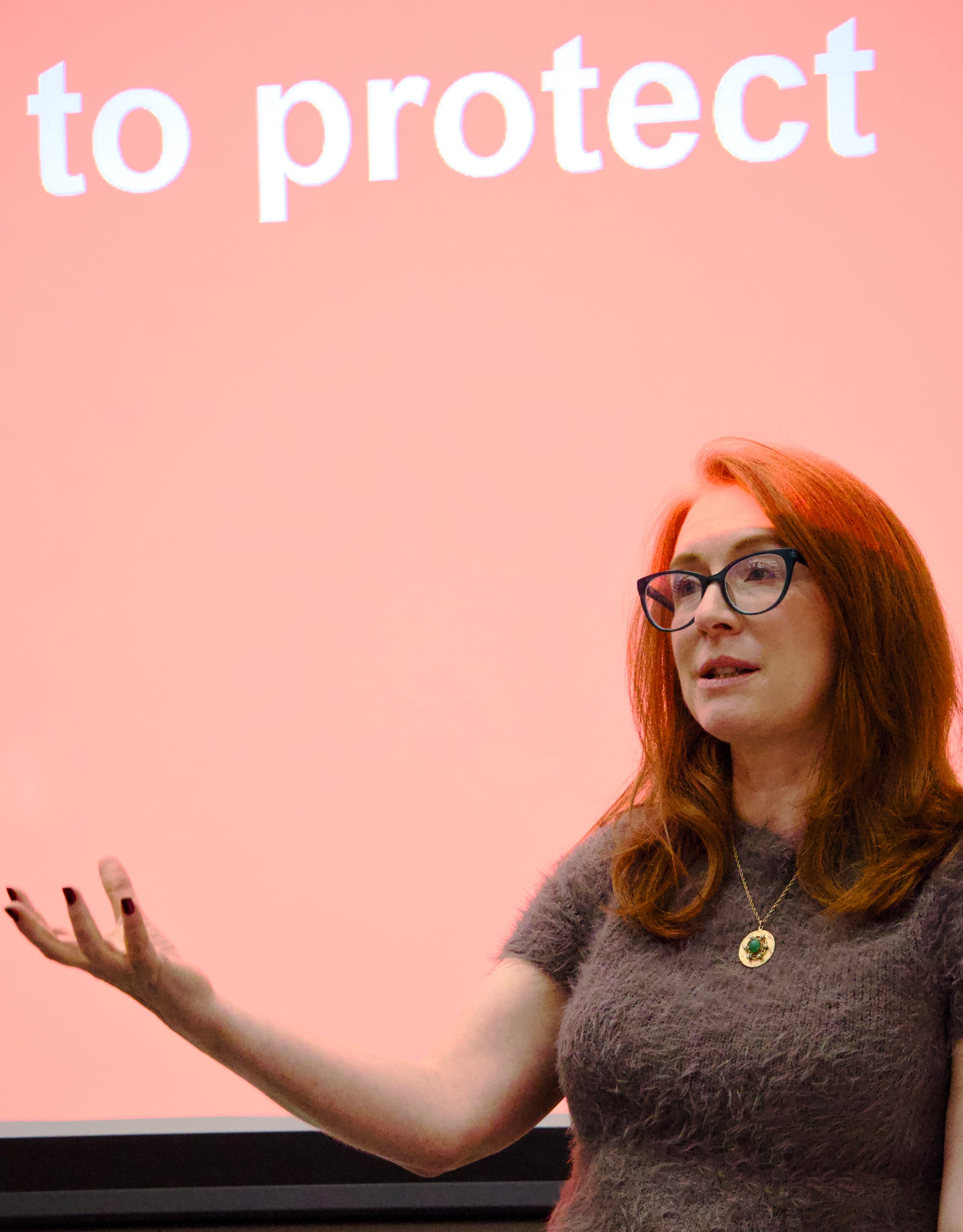
But most of all, we need to earn our place. “The job of a journalist is not to be a parrot,” she said. “We don’t just ask questions are report what is said — that’s stenography. We need to find and report the facts.”
And that requires courage. She called upon George Orwell’s idea that the chief enemy of freedom of speech is journalists who are frightened of the public opinion.
Each capitulation weakens the ecosystem.
After all, “facts are our superpower.”
Killing the messenger does not kill the message. We have to keep spreading it.
Q&A
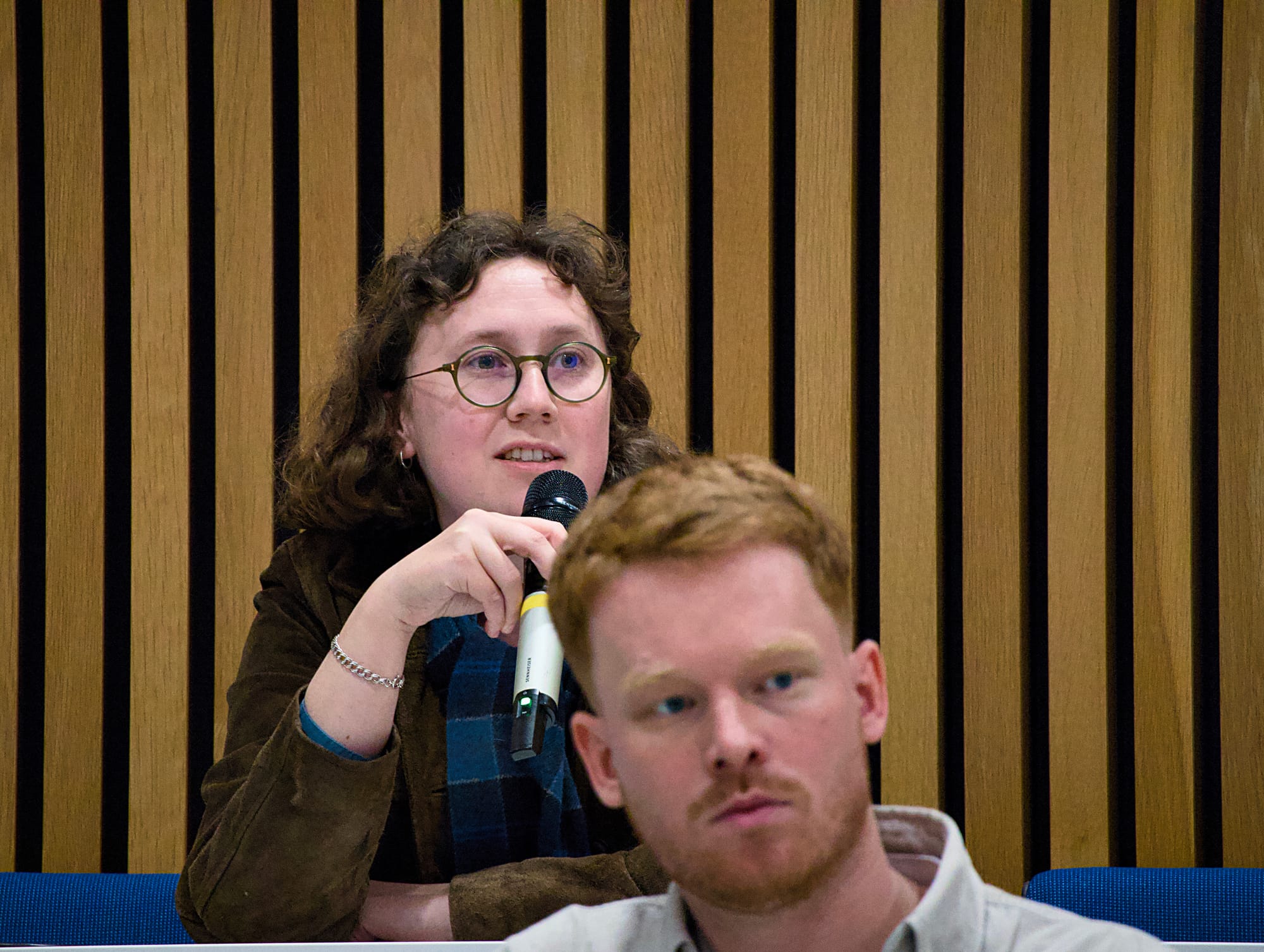
Some points from the Q&A that followed the lecture.
- There’s a tendency of some governments to investigate journalists — the job of finding things out is painted as something to be mistrusted. Ginsberg pointed out the shift of the Overton Window, where “the act of journalism itself is seen as a dubious practice.”
- Funding? The ad model is broken — and the money that flooded in from tech companies, is unlikely to flow back. “That’s not necessarily a bad thing.” We need new sources of funding — including reader support.
- What did they do to brace for another Trump administration? “We were expecting a second Trump administration to be highly critical of journalists, and to use legal actions. What we didn’t expect was the speed with which it happened.”
- “We know what authoritarianism looks like — we have been trying to prepare people covering protests. But there remains a ’it couldn’t happen here’ aspect in the US.” People have been moving fast to get safety training out there, to help reporters understand their legal situation, to make sure their devices are safe.
- “We journalists don’t tend to prepare well. We’re good in a crisis, but…”
- Public media and state media are not the same thing. There’s disdain for the idea of public media in the US. But the ability for people around the globe to access good information around the globe has real value. She worries about the narrative, where “it’s not important”. The US – and possibly the UK – disinvesting in the soft power of public media is a massive, massive mistake.


