

The Tipping Point: The Chilling Escalation of Online Violence Against Women
Online harassment of female reporters is fuelling a rise in physical attacks, according to research presented by Professor Julie Posetti

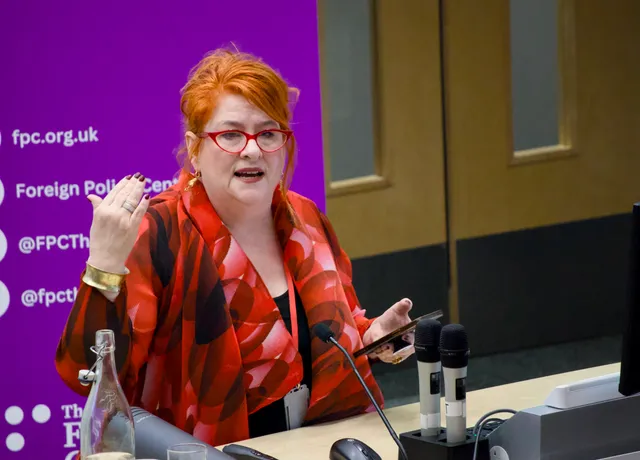
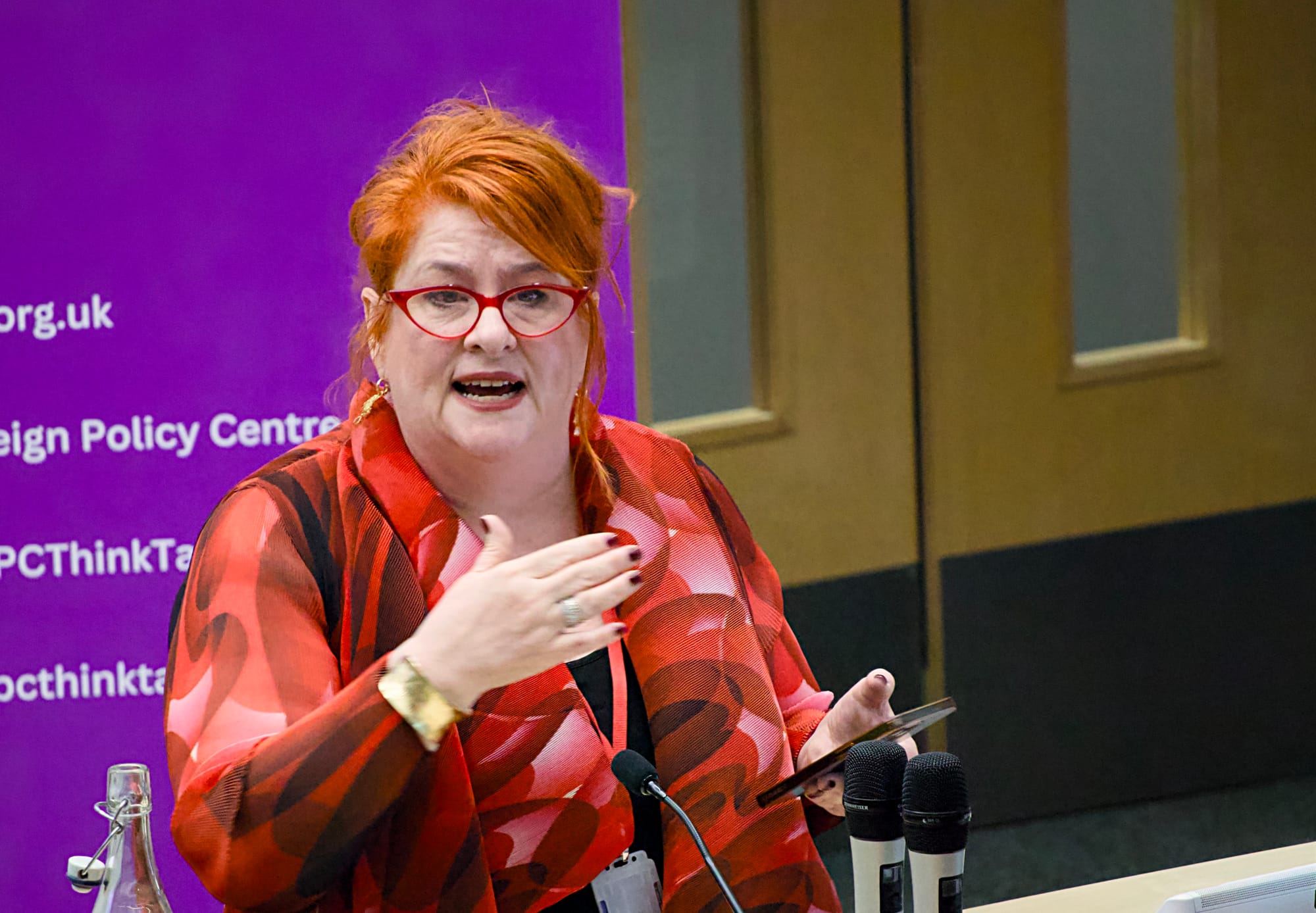
The boundary between digital and physical harassment of female journalists is not just blurring— it is collapsing entirely. At least, that’s what the research presented by Professor Julie Posetti, director of The Information Integrity Initiative (a project of TheNerve) and chair at the Centre for Journalism and Democracy at City St George’s, University of London suggested. Speaking at the Media Freedom Forum, she outlined the deeply concerning findings of the research.
Tipping Point: The chilling escalation of violence against women in the public sphere in the age of AI, paints a bleak picture. For women journalists, human rights defenders, and writers, the internet has become a deeply hostile environment, fuelled by algorithmic impunity and accelerated by the rise of generative AI.
Here are my key takeaways from her talk.
The Data: A Worsening Global Crisis of Journalistic Safety
The research builds on a 2020 study that surveyed over 700 women journalists across 15 countries and analysed 2.5 million case studies. Five years later, the scope of the research has expanded massively, polling individuals across 119 countries in multiple languages.
The findings show that the crisis is deepening:
- 75% of respondents have experienced online violence as part of their work (up from 73% in 2020).
- This abuse is highly pervasive across different public-facing fields, affecting 72% of human rights defenders and 76% of other writers.
The Pipeline from Online Hate to Offline Harm
Perhaps the most alarming trend highlighted in the Tipping Point research is the trajectory from digital to physical. Online violence is no longer confined to the web or social media.
According to the data, 41.6% of journalists have now experienced offline violence in some form. Julie noted a "greater than doubling" of online violence translating directly into offline harm. This is driven by a culture of zero accountability: impunity for gendered online violence directly aids and emboldens impunity for physical violence against women.
AI’s weaponisation against journalists
The crisis has been supercharged by the advent of generative AI. Nearly 1 in 5 journalists in the sample (19.4%) have already been targeted by clearly AI-generated harassment.
Tech platforms and developers are minimising the friction between the generation, publication, and distribution of abusive content. Julie pointed to the severe brutalisation and humiliation of women enabled by these tools, which have been used to easily generate horrifyingly graphic, non-consensual synthetic media depicting severe acts of sexual and physical violence.
She stressed that this ecosystem of abuse is heavily driven by profit. When faced with the threat of UK legislation, certain tech leadership — such as Elon Musk at X — have historically turned the threat of legislation into monetisation opportunities.
A Call for Radical Action
Can we allow the tech "broligarchy" to proliferate this dangerous technology while actively rolling back safety guardrails? .
To combat this erosion of society, Julie insists that we need to work proactively and in radically different ways. We can no longer rely on fragmented solutions. It requires a unified, creative response across multiple sectors:
- Legal & Policy Interventions: Demanding accountability and strict regulations for tech platforms.
- News Organisations: Committing to reporting robustly on these issues rather than sweeping them under the rug.
- Civil Society & Academia: Continuing to fund, research, and expose the deeply gendered aspects of this crisis.


