

20 years of digital journalism training
It's now the “job” I've been doing longest

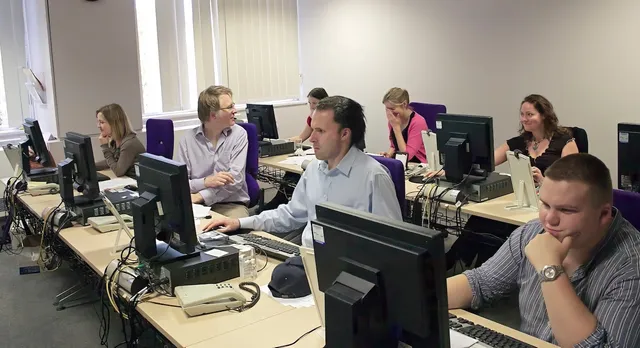
I had to double-check this earlier, when I wrote in an email that I've been training journalists for 20 years. But it's true. In early summer 2005, I started training journalists in blogging, in the first step towards leaving day-to-day journalism, and moving into editorial development full-time.
I was still working as the features editor of Estates Gazette, but looking for a new challenge after the closure of GRID, which I'd edited. I'd been blogging for four years, and the business was looking for people with that skill. (Bear in mind that, in 2005, four years of blogging was ⅔ of the time the medium had existed…) I leapt at the opportunity, and the trajectory of my working life changed for good.
It started off very casually, in ad-hoc sessions in the main office, but it would become more formal the following year, when I was seconded to the business development team to run a new network of blogs.
I was a little more constrained back then, as I had to navigate the politics of office life. SEO training was only delivered by the SEO team, for example. And, occasionally, I had to hire others to do training I could deliver myself, simply because sometimes people will listen more attentively to someone from outside the organisation, rather than one of their colleagues. For example, I had Ewan in to talk podcasting and Graham to talk social media. I'd benefit from that myself in later years.
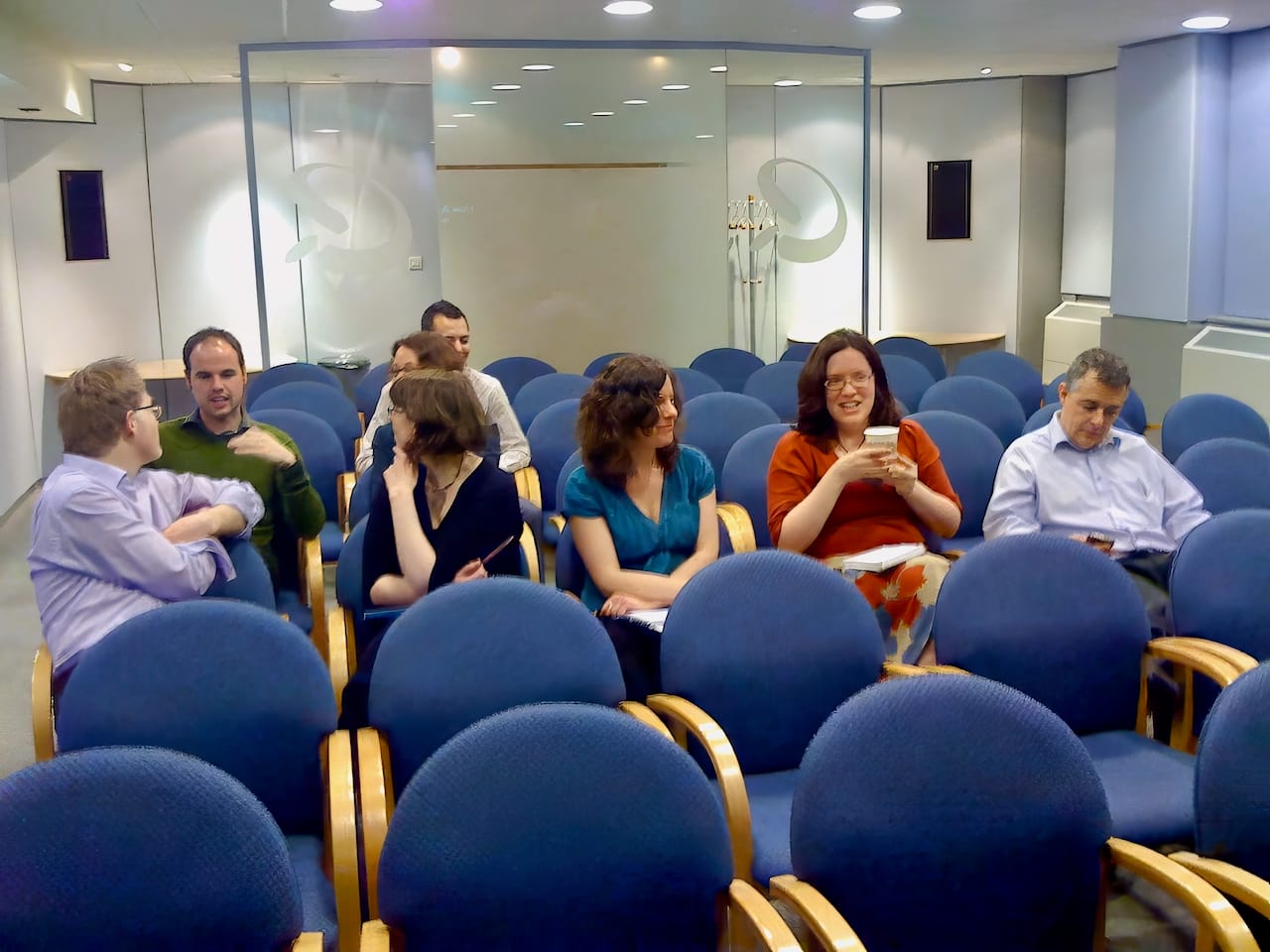
But I enjoyed it, and always enjoyed the coaching/mentoring aspects of the work. When you're training in-house, you get the opportunity to work with people to develop and implement those skills over months, rather than a few hours or days.
Going independent
The next big shift would come six years later. I was newly freelance, and still havering over getting a new job, or staying self-employed. John Thompson (founder and owner of journalism.co.uk at the time) had encouraged me to stay independent. But it was a member of his staff — Sarah Marshall, now VP, Audience Strategy at Condé Nast — who sealed the deal, with a phone call asking if I could do SEO training. That one call led to the training career I've had since, and – indirectly – to my lecturing work.
Astonishingly, 20 years is probably the longest I've done anything except for blogging and being married. If I carry on, that trifecta (plus parenthood, I suppose) will pretty much define my life.
So, what next?
So, now is a good time to pause and say “how do I move forwards?” A good portion of my training has been delivered through journalism.co.uk, but Marcela, as the new owner, is exploring new visions of training for the business, and it's not yet clear if I will fit into that – or if I want to. The courses have not been selling particularly well of late, so certainly something needs to change.
I'm also conscious that much of my work has been focused on the traditional journalism sector. But my interests have always lain in the emerging journalistic world. In fact, you could characterise much of my work over the past 20 years as looking outwards from journalism, working out what would impact journalism, and bring that knowledge back into the traditional publishing businesses.
How does that change — how must that change — as we enter an age of exponential media shifts?
Training in the creator age
I don't — yet — have an answer to that. What sorts of support and training do the new wave of online creators need? How can I teach core skills in a cost-effective way for independent creators? How can I better help existing businesses adapt to the rapidly changed landscape?
One answer: more agility. The courses need to change faster. I need swifter ways of bringing new offers to market. And new models which blend online and face-to-face learning.
As I said, I don't have the answers, but I'd be really interested to hear from any of you reading this who have thoughts – or needs – about how this aspect of the profession needs to evolve in the coming years.


