

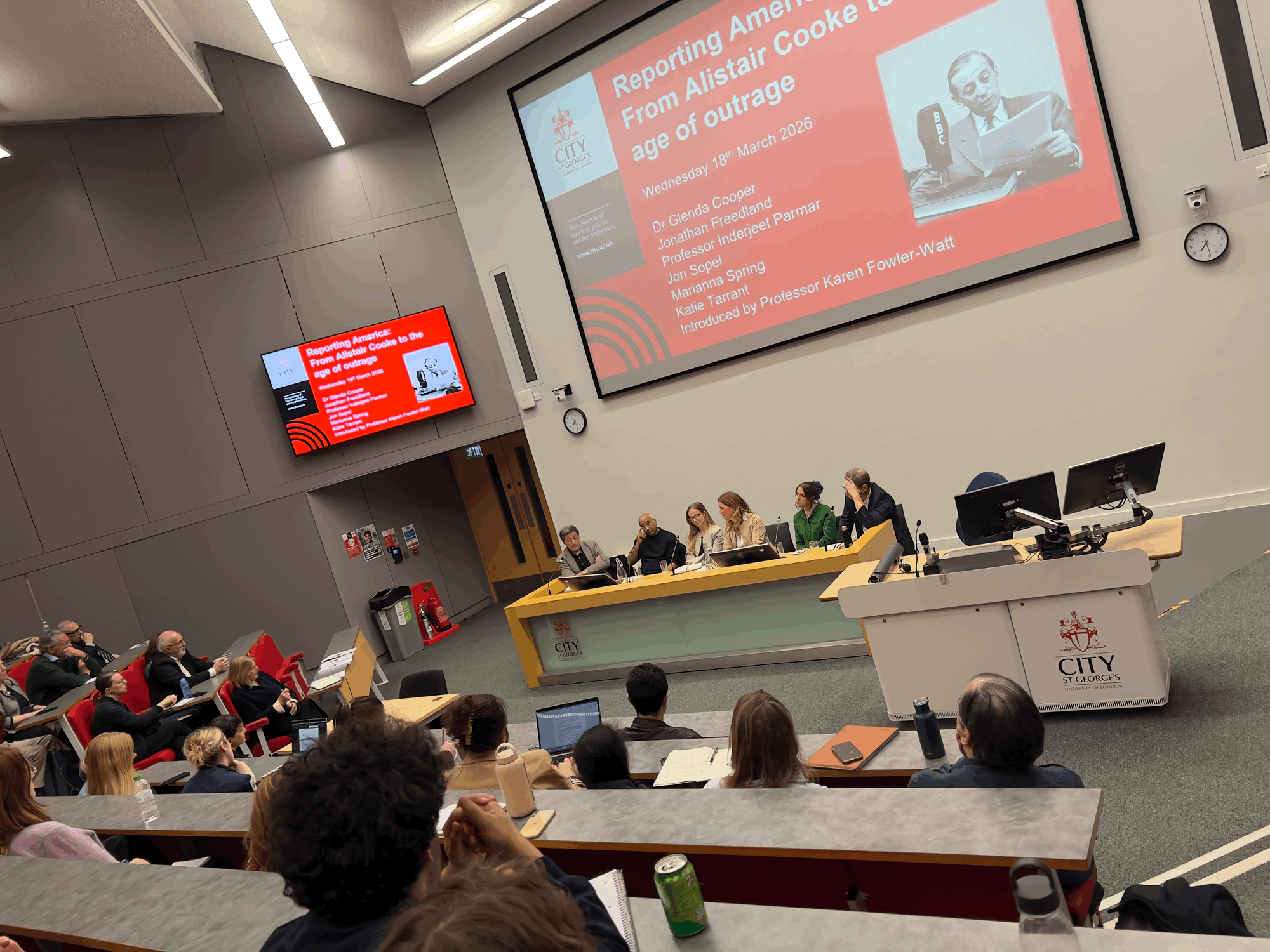
Reporting America: journalism in the US under the shadow of Letter from America
Notes from a panel discussion about the legacy of Alistair Cooked the challenge of reporting on the US today

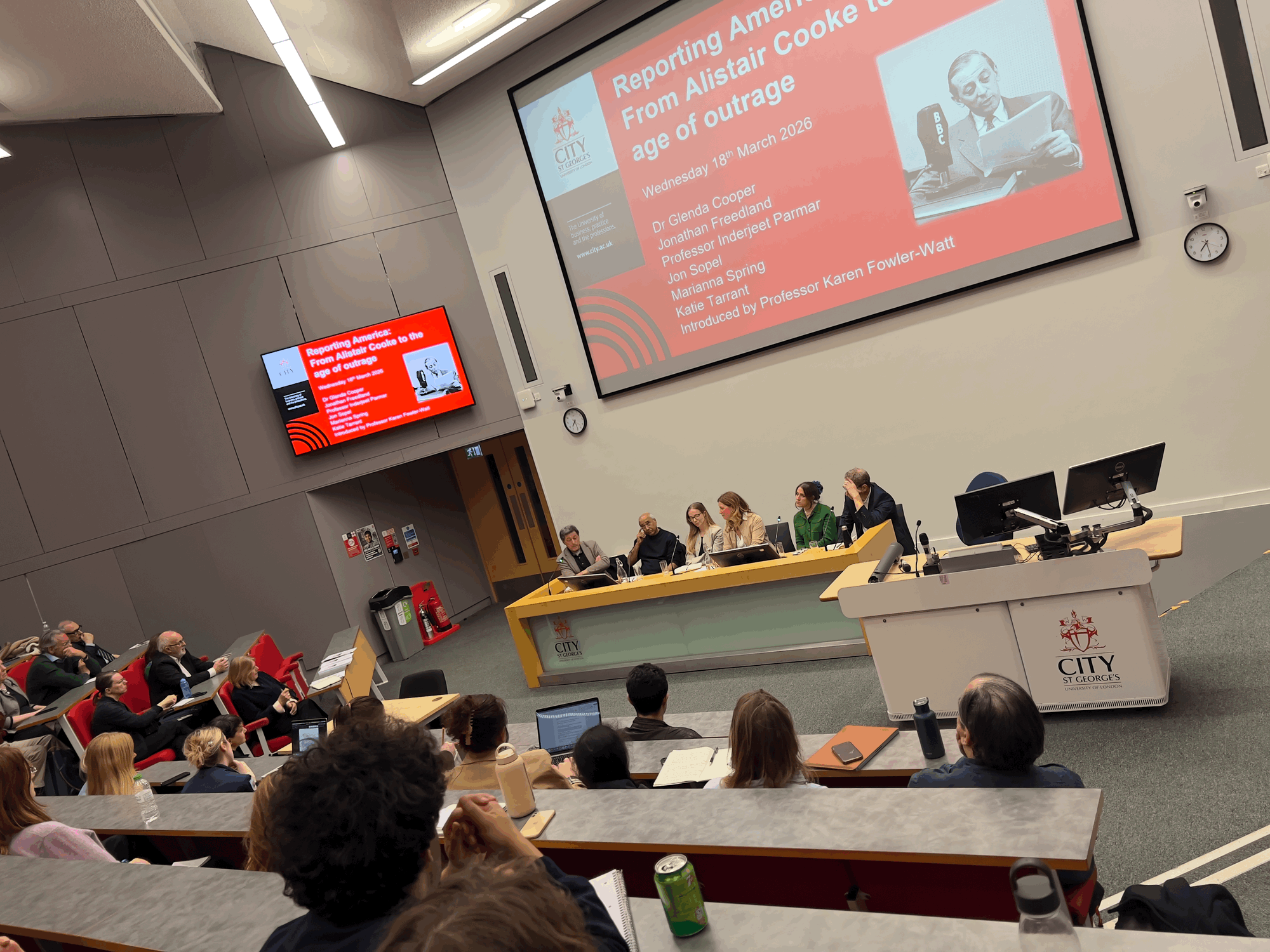
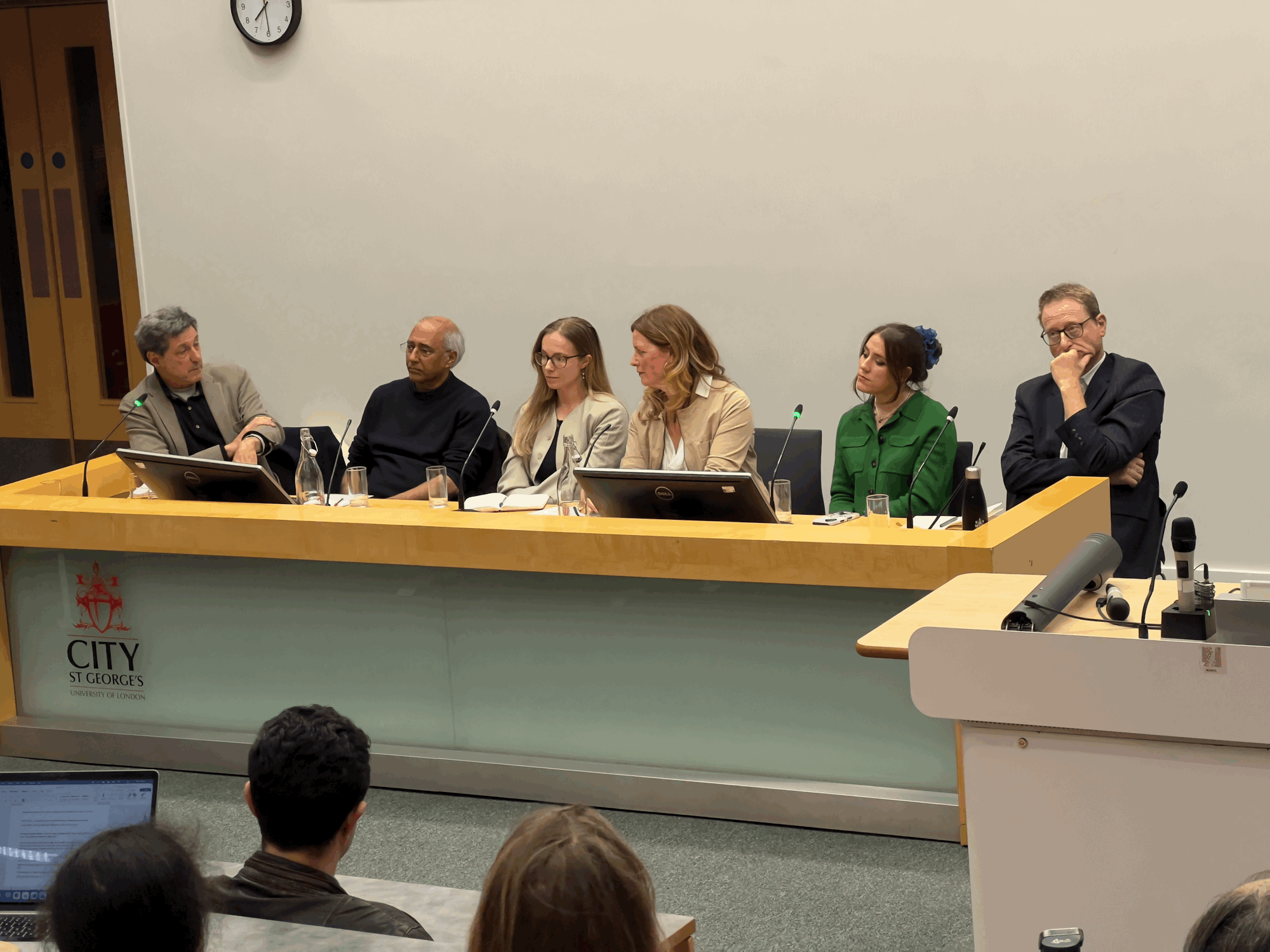
These are my (rather belated) notes from a panel discussion held at City St George's two months ago, about the legacy of Alistair Cooke and the challenges of reporting on Trump's America.
Chair
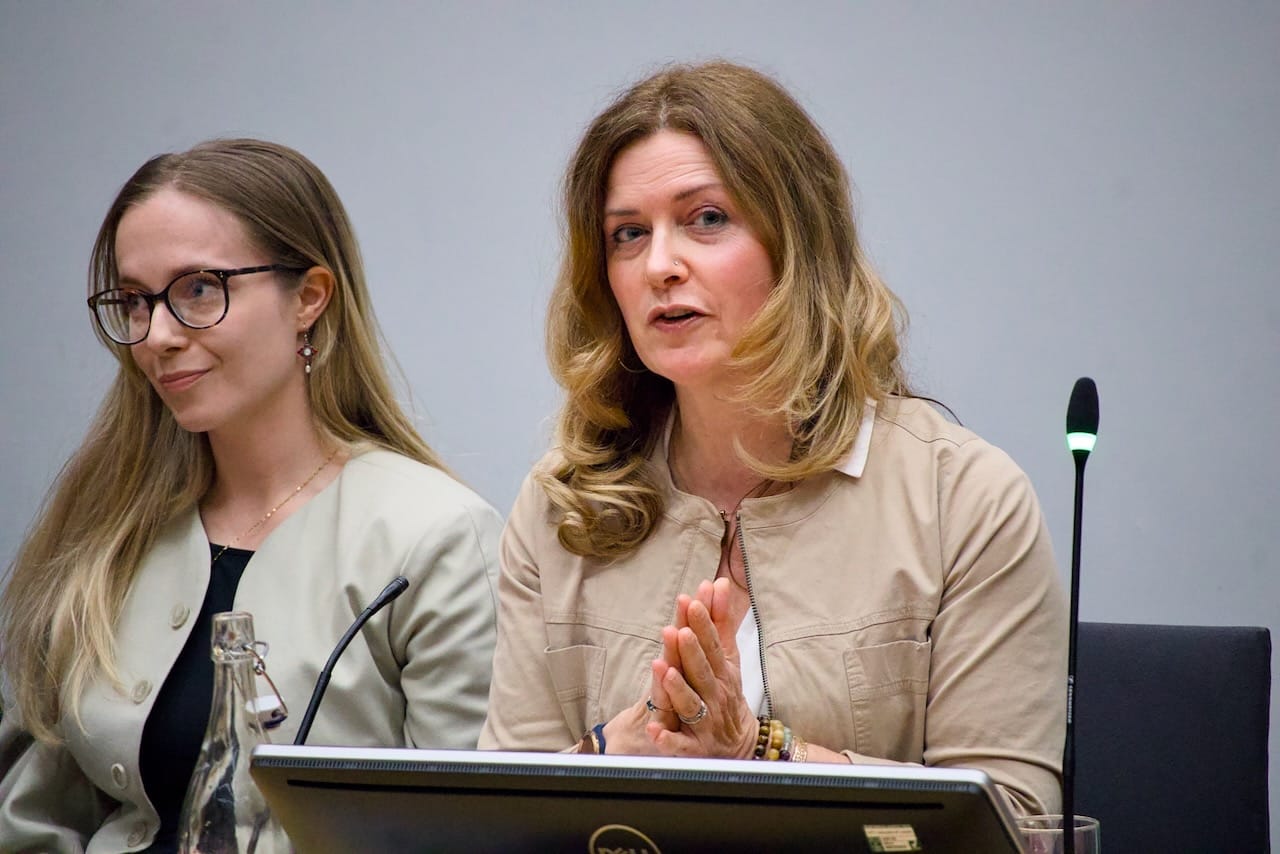
Panel
- Jonathan Freedland, journalist and author
- Professor Inderjeet Parmar, Professor of International Politics
- Jon Sopel, journalist, author, and podcaster
- Marianna Spring, BBC social media investigations correspondent
- Katie Tarrant, news reporter
The legacy of Letter from America
Glenda: In the archives, we found an early 40s memo, where Cooke argued that the BBC should employ a USA correspondent. It wasn’t warmly received at the time. But six year later, Cooke got his way, with Letter from America.
Cooke was a real innovator, not just in reporting on America, but also in how he did it. Arguably, he was the first podcaster in the way he eschewed the “voice of God” narrator style of the time. We forget how different it was because he’s had so many imitators since.
The media landscape was very different then: the BBC set the agenda, and most people had never visited America and had no expectation of ever doing so. Cooke often reflected on the responsibility of the journalist in his work.
His work highlights the importance of experience: he could draw parallels between current events and the past, because of his long run on that one show.
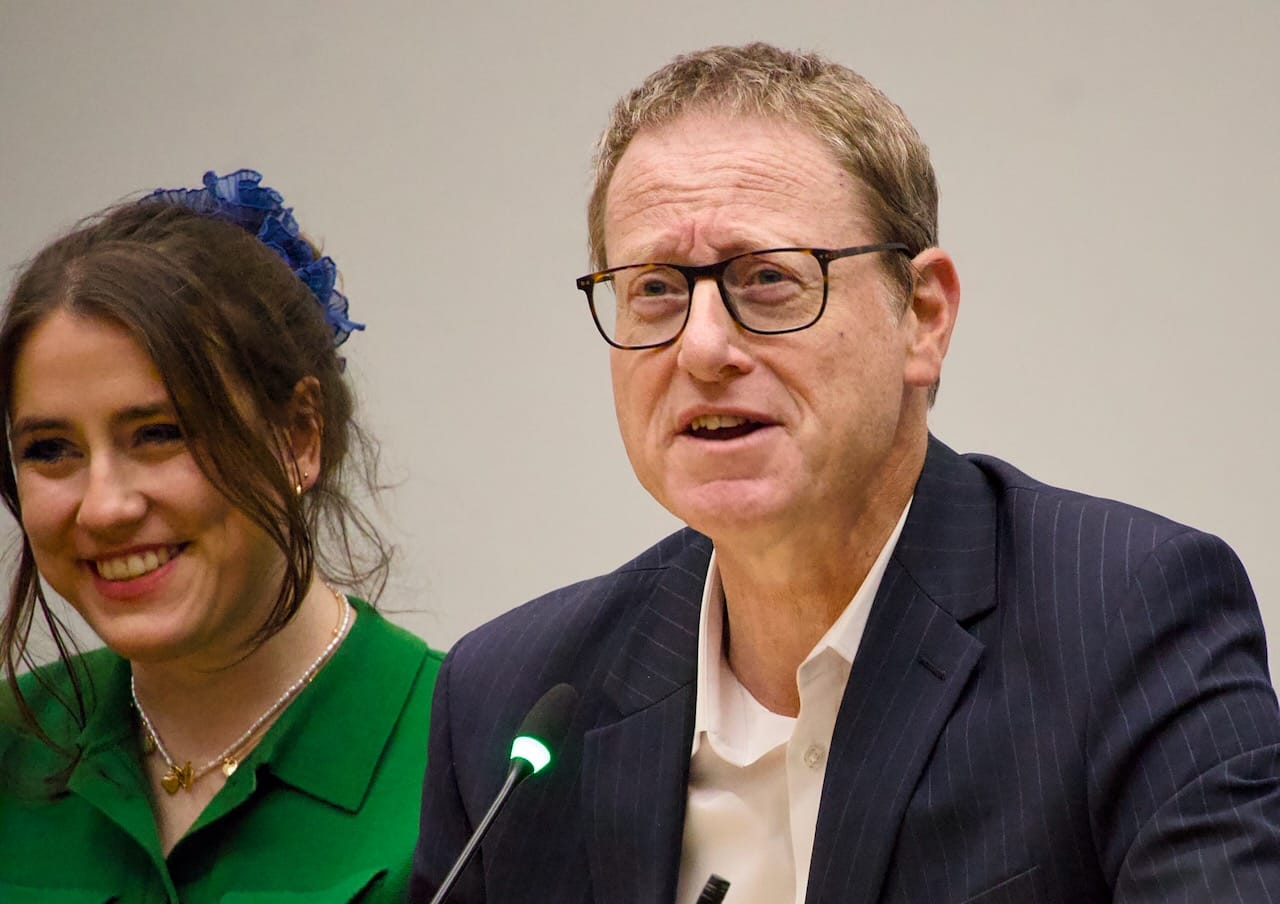
Jonathan Freedland: His delivery gives a sense of calmer, more placid days. But he reported on a turbulent time: McCarthyism, the Cuban Missile Crisis, and the 1968, the year of assassinations.
The media is much different — and more turbulent — now. Then, he was the singular voice from America. Even in the 1990s, it was difficult to see what was on the front page of the NYT from London. Now, with social media, everyone has a voice – a cacophony of voices. Amongst that is disinformation and AI slop.
And, of course, the other big change is the partisanship of the media. Brits were used to newspapers of the left and right slugging it out, but there was no real equivalent of that in the US. The newspapers worked strenuously to avoid any sign of bias – to an almost ridiculous degree. That’s all changed; the US media wears their politics on their sleeve now.
There is a greater need for outsiders like Cooke, a British eye on America. It was a luxury in its day, but now it’s essential. The US public can’t “get it straight” from the US media.
The need for Cooke-style reporting now
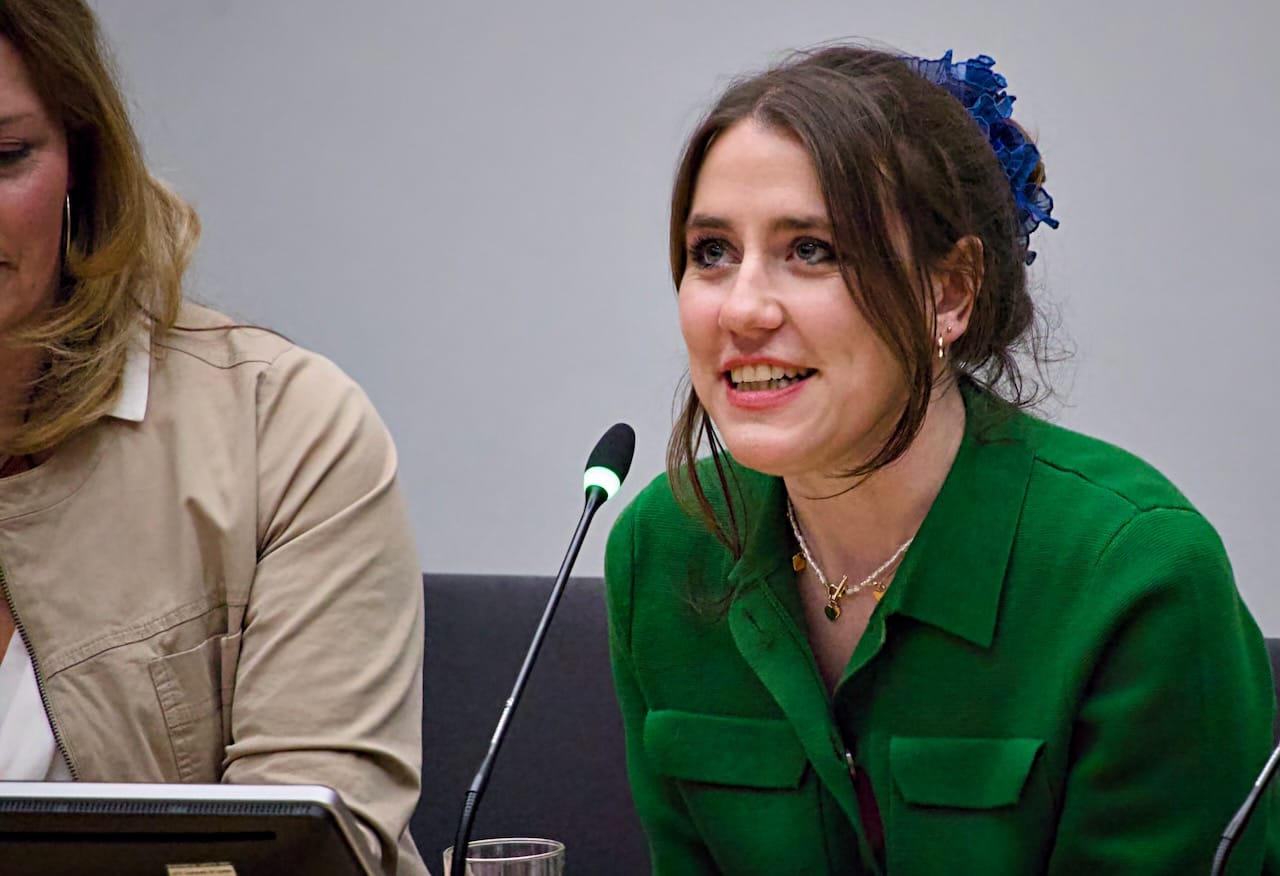
Marianna Spring: Having a specialist in the worlds of social media, algorithms, and trolling has been vital. These are controlled by big companies, powerful and rich, who are very hard to hold to account.
Inside the Rage Machine on BBC2 explored the impact of politics on what is happening on social platforms. Decisions are being made about what is politically expedient, not what will make people safe. The memification of war is entirely different to what you would have had a decade ago. Rage-bait is shaping and impacting politics — because it impacts on how different politicians communicate. Understanding and holding to account the social media companies, the AI companies, are so pertinent.
For me, reporting America is about accountability for these companies, and the power of the algorithm to shape politics.
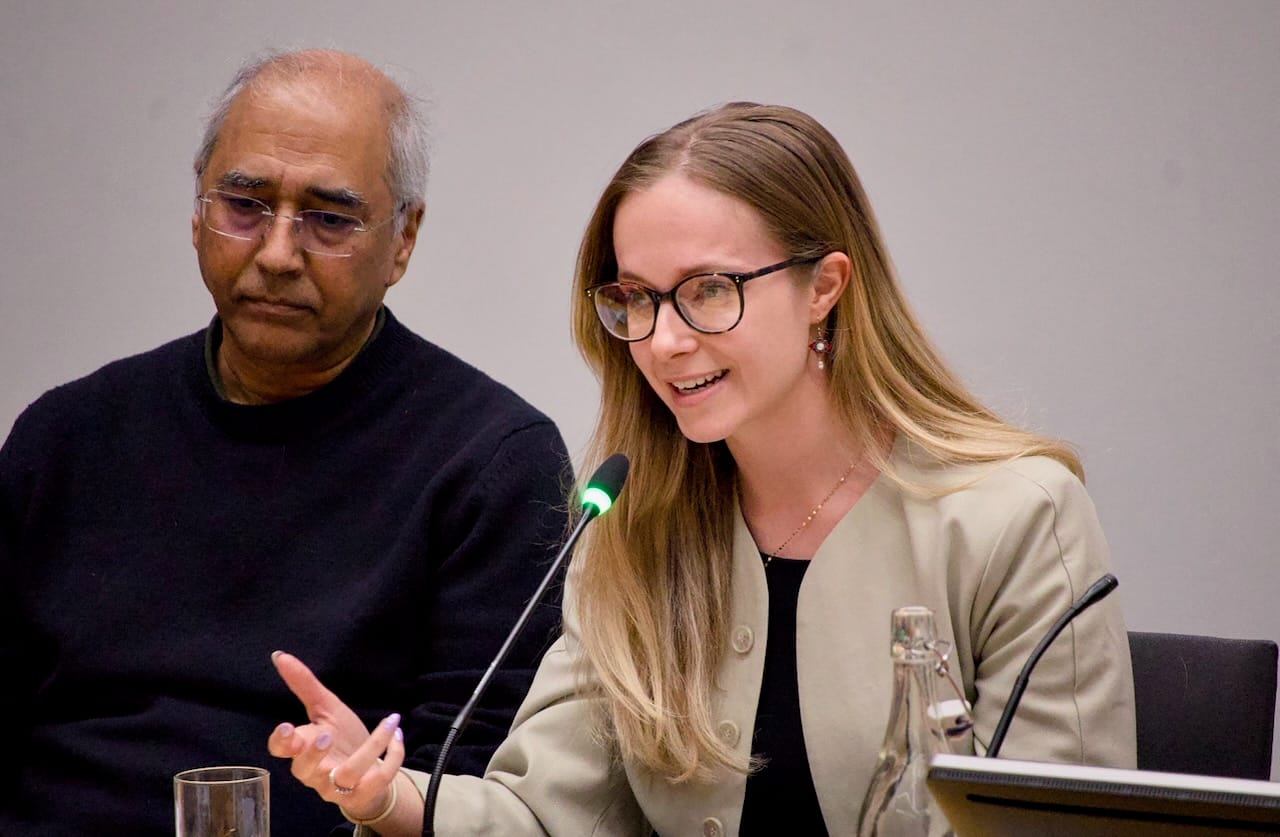
Katie Tarrant: I spent four months travelling in the US last year. I saw Trump deploy the national guard in DC, strikes on boats in the Caribbean, the longest shutdown in US history. Trump’s Big Beautiful Bill. Charlie Kirk was assassinated. Lots happened in four months. Trump’s presidency is about flooding the zone — so the challenge for reporters is sifting through all this and choosing what the audience need to see.
There’s an illusion of access to power through social media — but that’s an illusion, based on what I saw on the ground. Access to power for professional journalists is diminishing. How much would Cooke’s journalism be consumed today? Would he get the same listeners? Would he be trusted in the same way?
The changing role of the US in the world
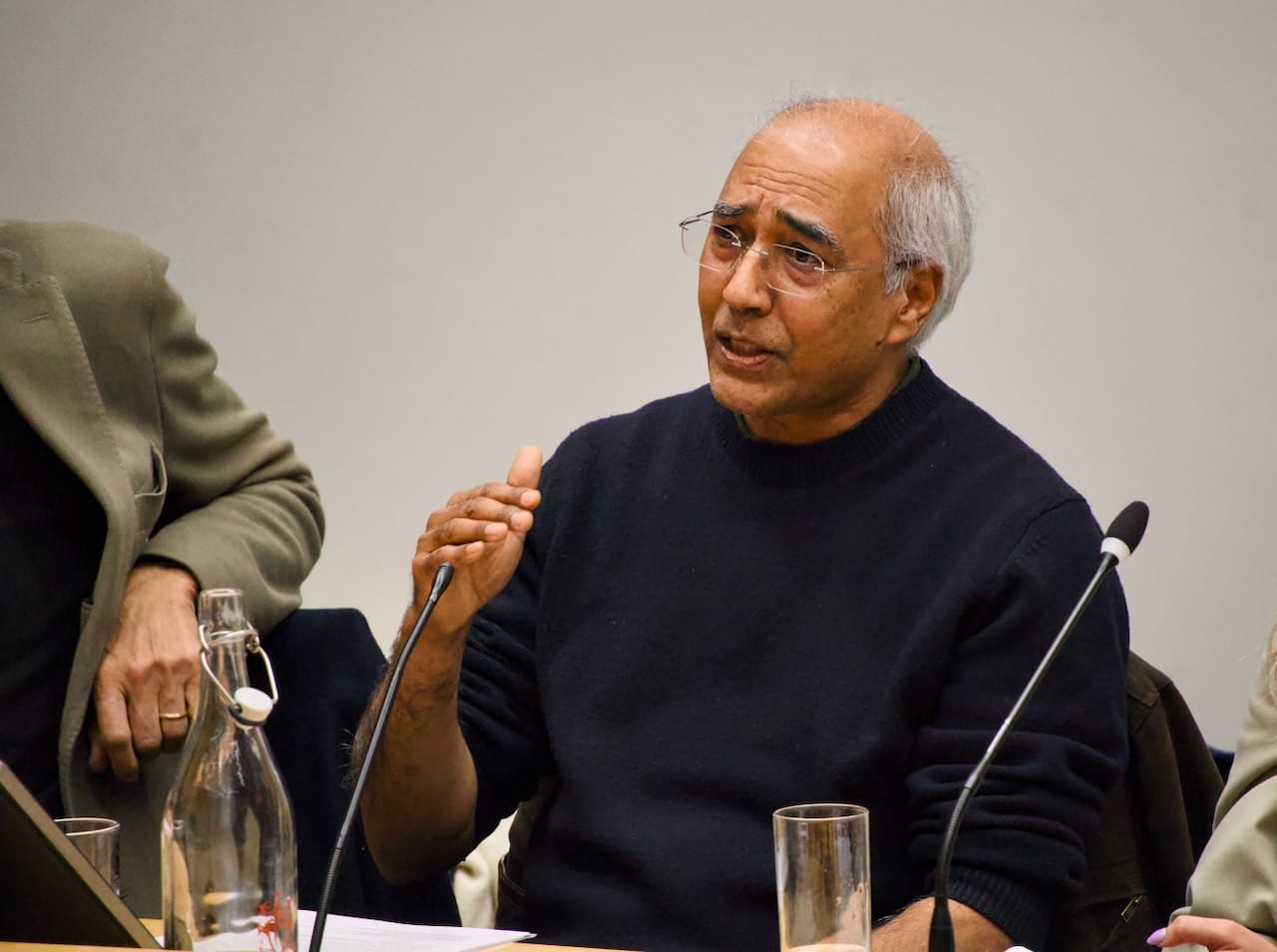
Professor Inderjeet Parmar: I have been studying the relationship of the US and the world for decades. One of the things that has struck me is how close the US/UK relationship is — and how much the “special relationship” formulation conceals. “American exceptionalism” is a belief in their superiority — it’s a hegemonic belief. “Special relationship” is an invention of Winston Churchill, and is an elite to elite dialogue. And we are viewed by many as the UK as the US’s poodle, following wherever they follow.
The “Special relationship” is a drug UK elites take to cope with the fact that they are the inferior power. The British foreign policy establishment still holds to the idea of imperial level power. But the “special relationship” is the marking of the passing of power from the British Empire to the USA. It was a decision of the 40s that an Anglo-American alliance would allow the UK to maintain world power — but it would mean following the US into places they didn’t want to go.
The UK is a class-dominated society — the old school tie still does a lot of work today. The UK national interest is an elite interest, not a whole nation one. And so we need to report it accurately, with regard to its origins. Legacy media has to reflect on the role it has played in the past 80 years to bring us to the point we are now.
Doing journalism now
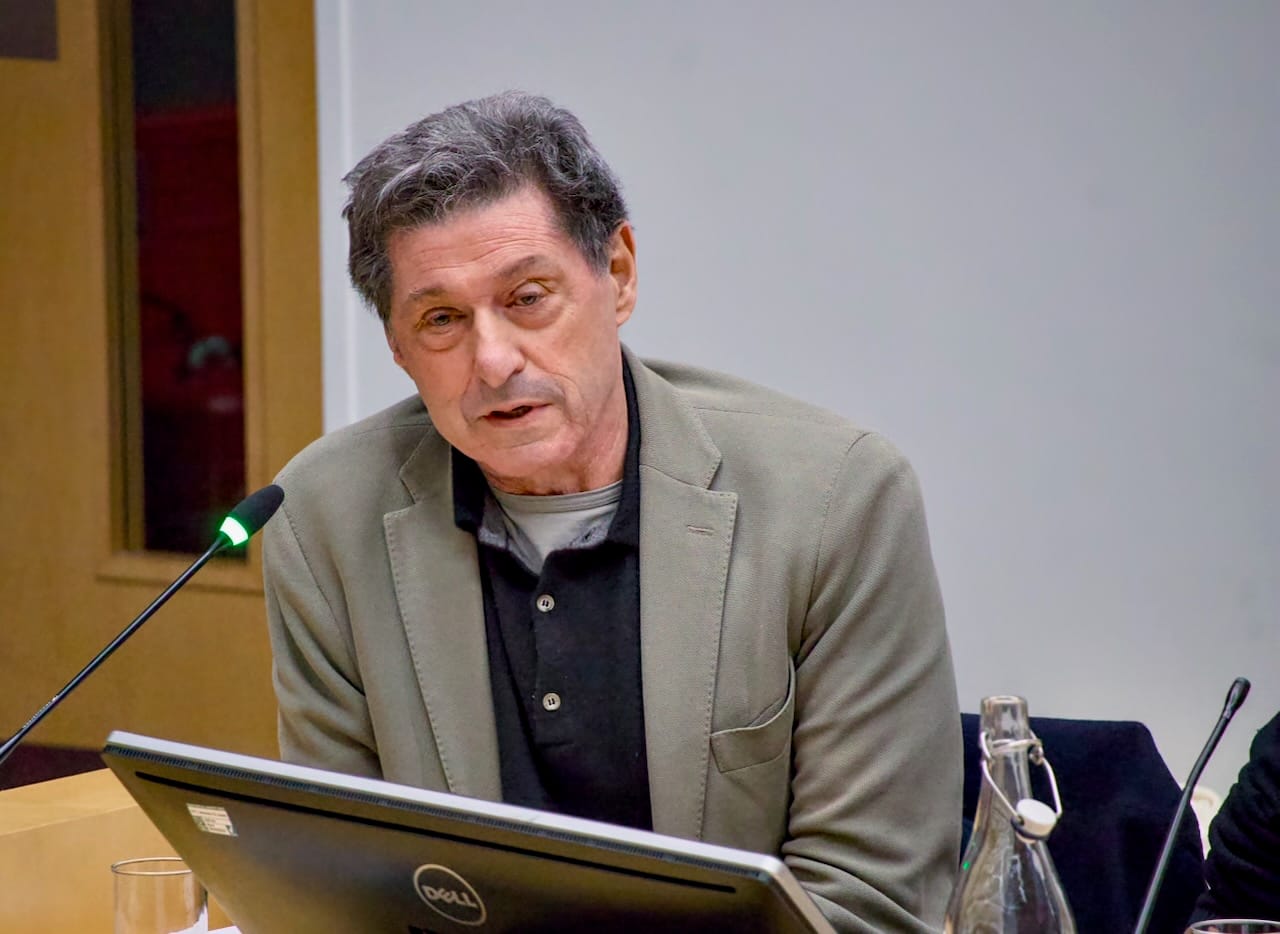
Jon Sopel: When CBS was great, Leslie Stott reported a conversation with Donald Trump, in which she asked why he kept attacking the press. He said he did it to discredit and demean you all — so nobody will believe you when you write negative stories about him. You have a war on truth being waged by the administration — and he’s having astonishing success with that.
I’ve seen an awful lot of that: where people don’t believe a word you’re saying. At a Trump Kennedy Centre board meeting, he told stories about European leaders that weren’t true. He claimed that he predicted 9/11, that he predicted the problem in the Straits of Hormuz. None of it true.
We can’t surrender to misinformation — so what tone can we adopt when reporting on Trump? Constantly accusing him of lying gets boring, but he keeps lying. If you believe in the mechanisms of democracy, you have to say that what Donald Trump is saying is without foundation. We have to calmly, resolutely say “this is not true” from time to time. It’s uncomfortable because it looks like we’re putting a thumb on the scale — but we’re not. If we are to retain the trust of our audience, we have to be credible in what we do.
There has never been a more difficult time to be a journalist. But there has never been a more important time to be a journalist. Democracy relies on a well-informed electorate.
What do we do?
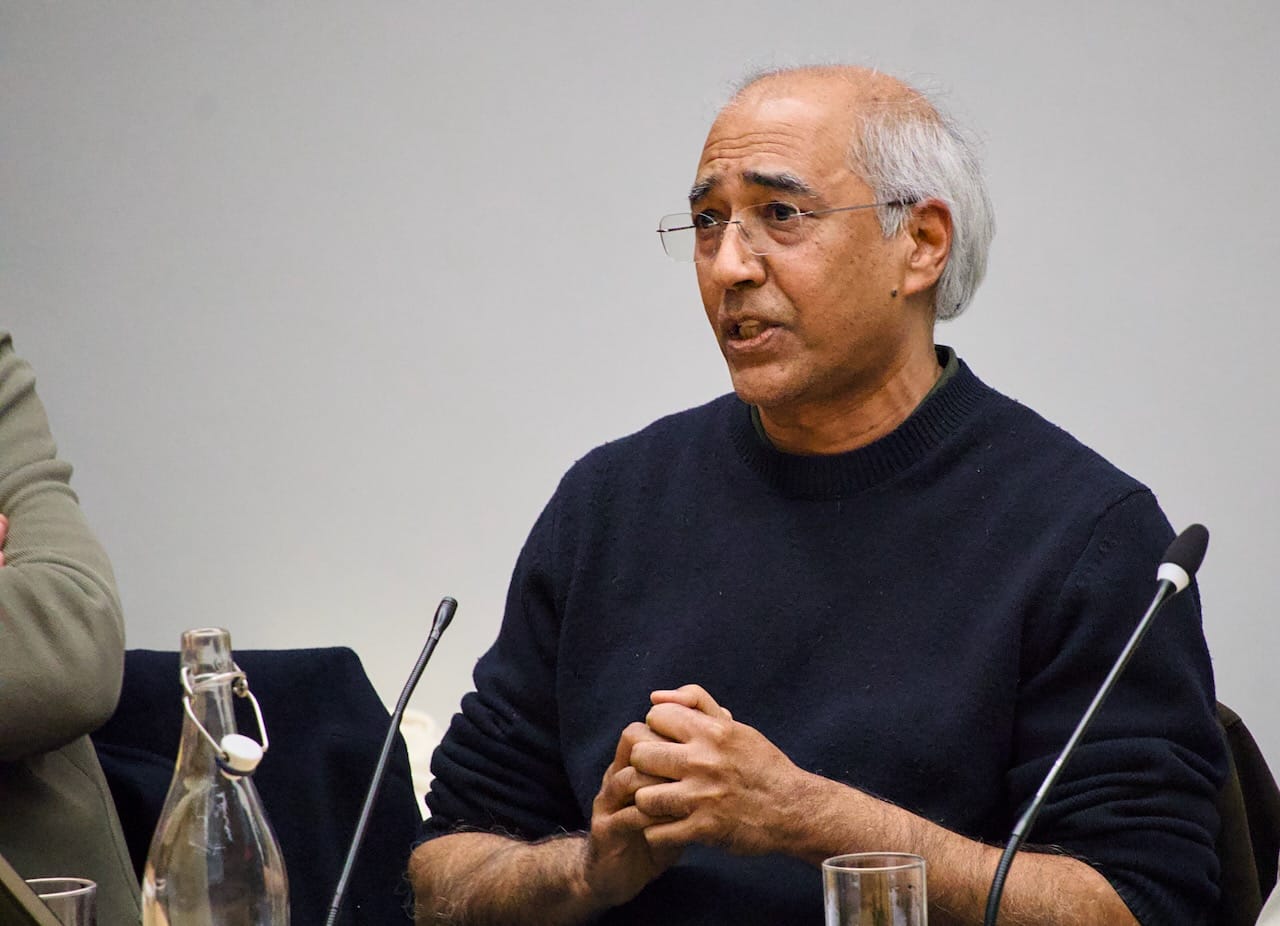
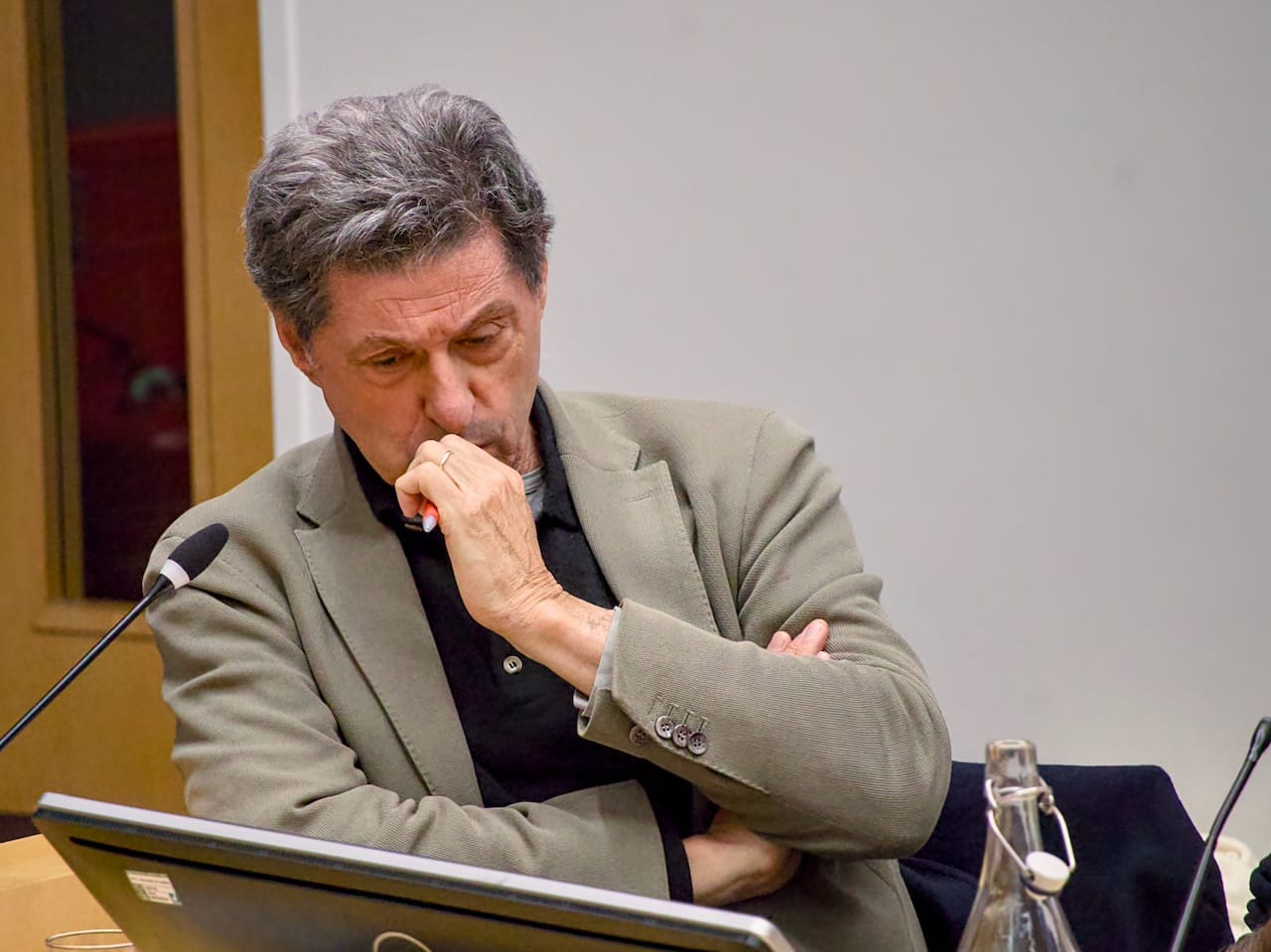
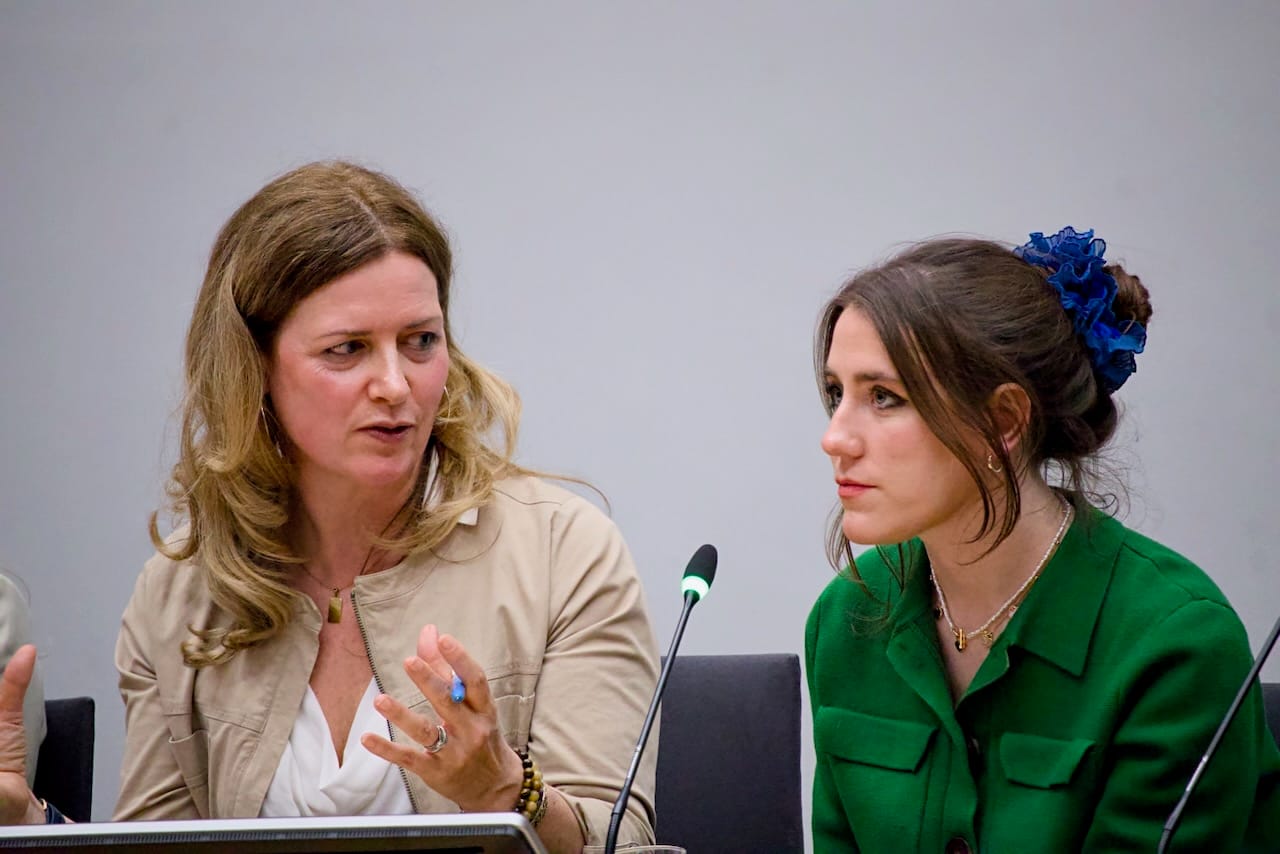
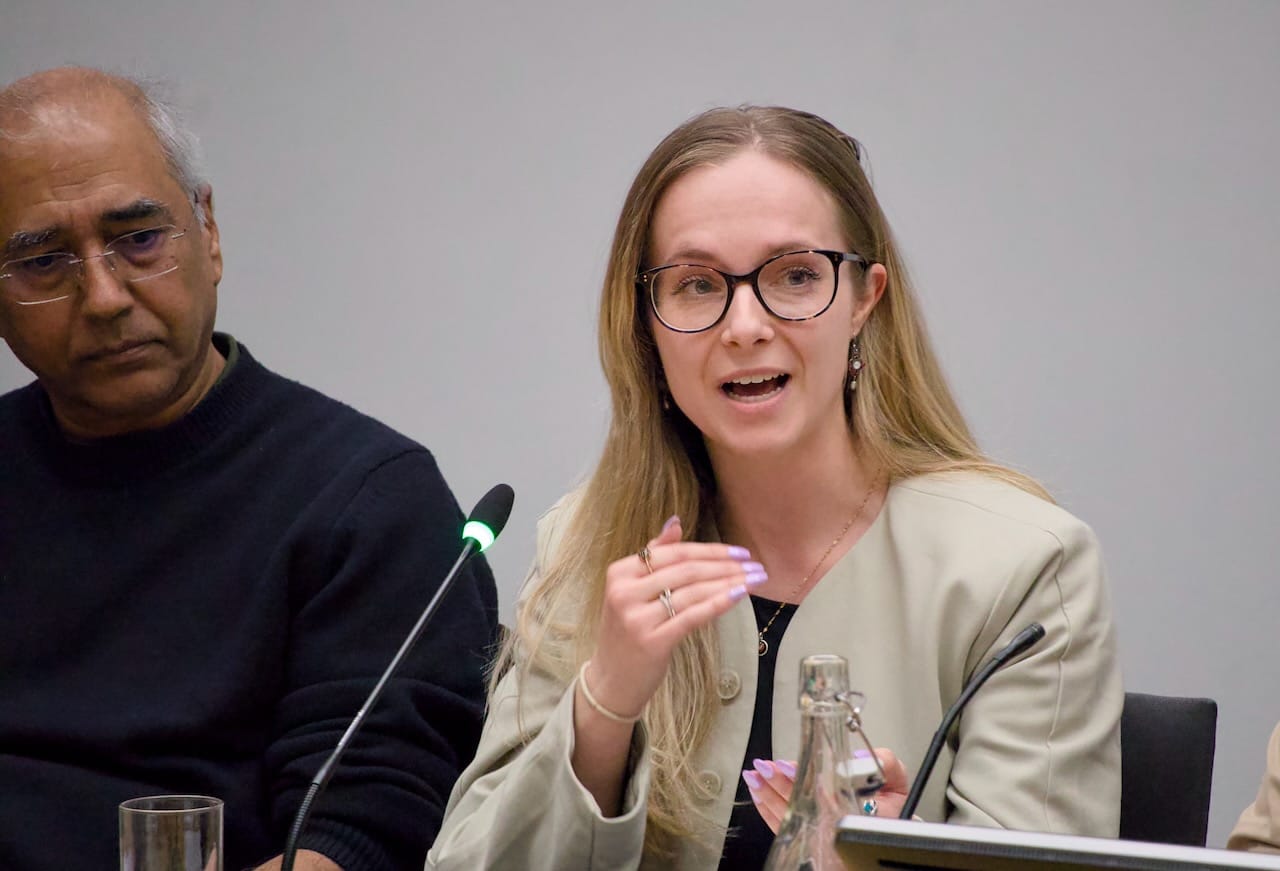
JF: There are so many people invested in the idea that Trump would revert to normality. You could even see it back in 2016. It never happened. There was this desire for a return to normality. That includes journalists — they know that world, and how to report on it. The people who reported on it accurately were accused of Trump Derangement Syndrome. But they were right. Nixon lied like someone who was aware of the truth. Trump doesn’t recognise a lie.
You see the same in world leaders, an impulse to try to pull Trump back to normality. It’s been a huge institutional shift to report that the president has “baselessly said”. There is a role for those professional outsiders — and they have developed a traction they never had because they’re not sucked into that. The era of TWA journalism — those wacky Americans — is done.
MS: You have to understand trolling and rage-baiting. Trump is the rage-bait king. I still see huge numbers of journalists resharing this to say it’s not true. You need to step back and understand the thinking and tactics behind it.
Politicians across the spectrum, but the populists in particular, are much better at using and understanding this. There’s an increasing gulf between traditional media versus social media on etiquette and rules. We need to better understand the tactics and how this works.
JS: We’re seeing a big difference in Trump’s second term – all these institutions which were quite bold in standing up to him in the first terms are now bending the knee.
KT: What happened two weeks ago? Two months ago? What should we go back and assess the impact of? In the first weeks of the second term, he signed more executive orders than in the whole of his first term. We need to investigate the impacts of these. As a newsroom, you have to work out your resources between relating the crazy things said, and reporting the impact on people.
JS: One of the things is the normalisation of corruption. Trump has accepted a jumbo jet — where do we go from there? The Swiss president gave him a gold bar with 47 on it — and a gold Rolex clock. And it worked. They negotiated down their tariff. When this becomes normalised, something is missing.
JF: Our readers have limited bandwidth and attention. We have a say in this — we don’t always have to follow him, but we can pull back and choose what we say.
Insights from the Q&A
Twitter / X
MS: There was a time when Twitter was, while imperfect, a credible place. But since Elon Musk took over, it has completely transformed. The prevalence of certain type of hate, of disinformation and AI content is clear. But parts of the media still treat X like it was what it used to be. That needs to change.
Fear and power
JS: In the UK, we don’t stand up when the PM comes in — he’s not the head of state. However, in the US, Trump is. He uses intimidation. If Donald Trump mobilises against you, it can turn your life upside down.
Nobody dares do it because Trump comes after you. And his social media trolls come after you.


