

How to win at journalistic video in 2025
We just keep pivoting to video – because it's a vital part of your content mix. But how do you get it right?

Many newsrooms have been burnt by video in the past. But it remains a vast part of online content consumption, and if we ignore it, we lose an opportunity to connect with potential audiences. What’s working for customers and publishers today?
A Future of Media Technology panel set out to explore that.
Panel

- Chair: Richard Headland, founder & editorial director of RSS Media
- Connie Krarup, Media Lead, Q5
- Jonathan Levy, managing director and executive editor, Sky News
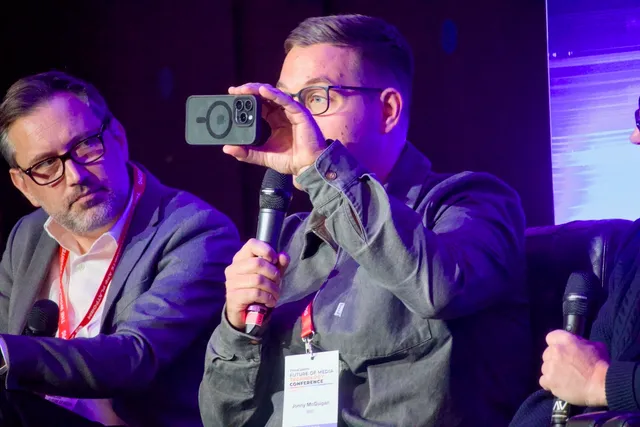
- Jonny McGuigan, executive editor, growth, social & weather, BBC
- Brian Whelan, director of video & audio, Hearst
The new pivot to video
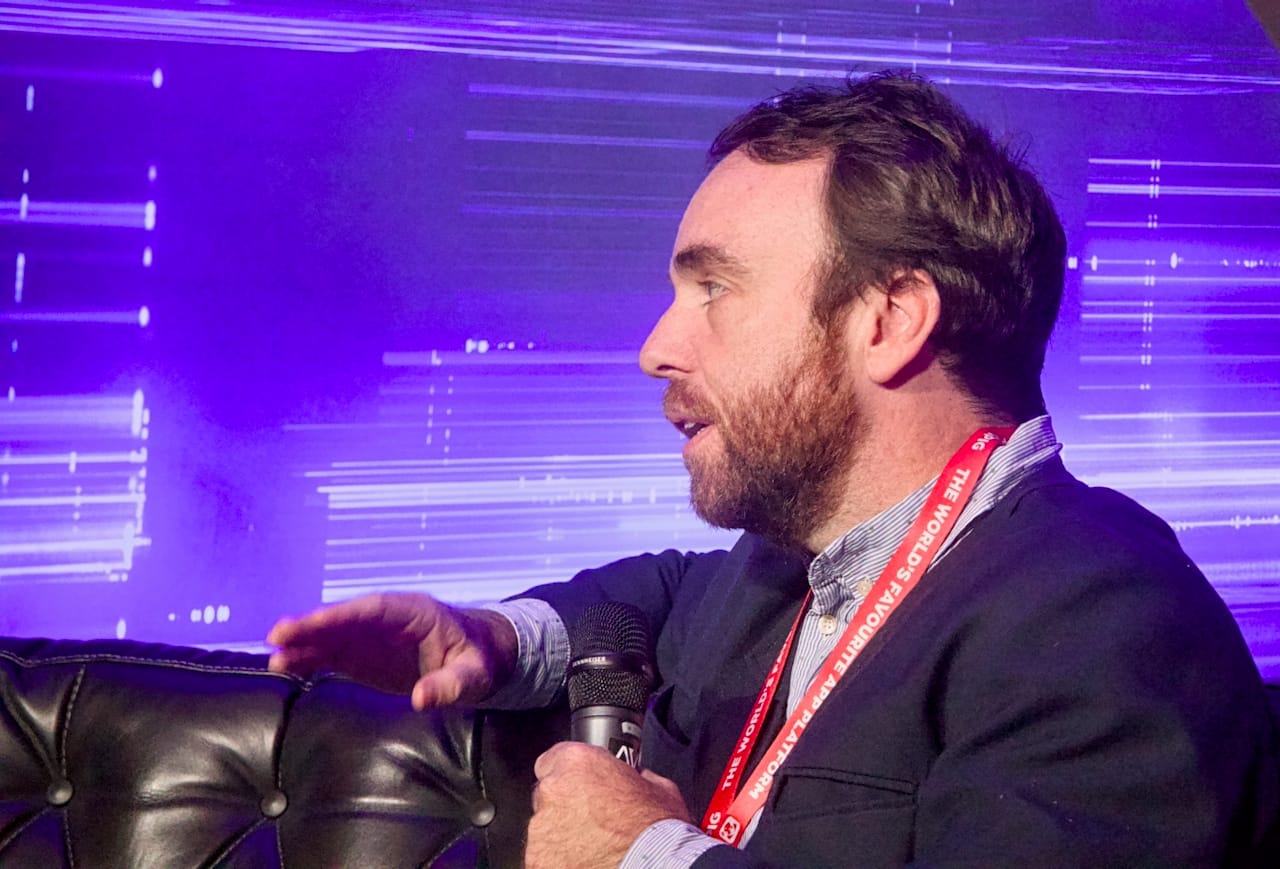
Bryan: A year ago, he started talking to Hearst about the fact that video was the language of the internet. Hearst has a legacy of video, but it has never been a primary focus. But they’re now pushing into the multimedia space, with studios for audio and video. A good magazine should have a great YouTube channel, or an in-depth interview strand.
Connie: The “pivot to video” is something that’s brought up all the time in newsrooms. This rise of video feels different to the earlier ones. They’re taking it more seriously, taking a step back, thinking about what their strategy is. Is video purely a means to an end? Or is it a way of driving deeper engagement with audiences? What do you want the behaviour and responses of the audiences to be?
Jonathan : It used to be that TV was the video platform and digital was the text platform. That’s changed — video is now at the heart of digital. That’s our expertise, that’s our heritage. There’s been a reluctance from broadcasters to think of digital video — the challenge for us is thinking of video in the digital context.
Jonny; The sift from horizontal to vertical video is a big a change, as from print to digital. But it’s also an opportunity — because the best pictures still tell the best story.
The audience/presenter relationship
Jonathan: Personality has always been a big thing in the broadcast industry. Presenters have always had a connection with the audience. What is new is the influencer economy, and the connection with that. There’s no point in us trying to beat them at their own game. But some of the ways they present their form of news is seeping back into how we present ours.
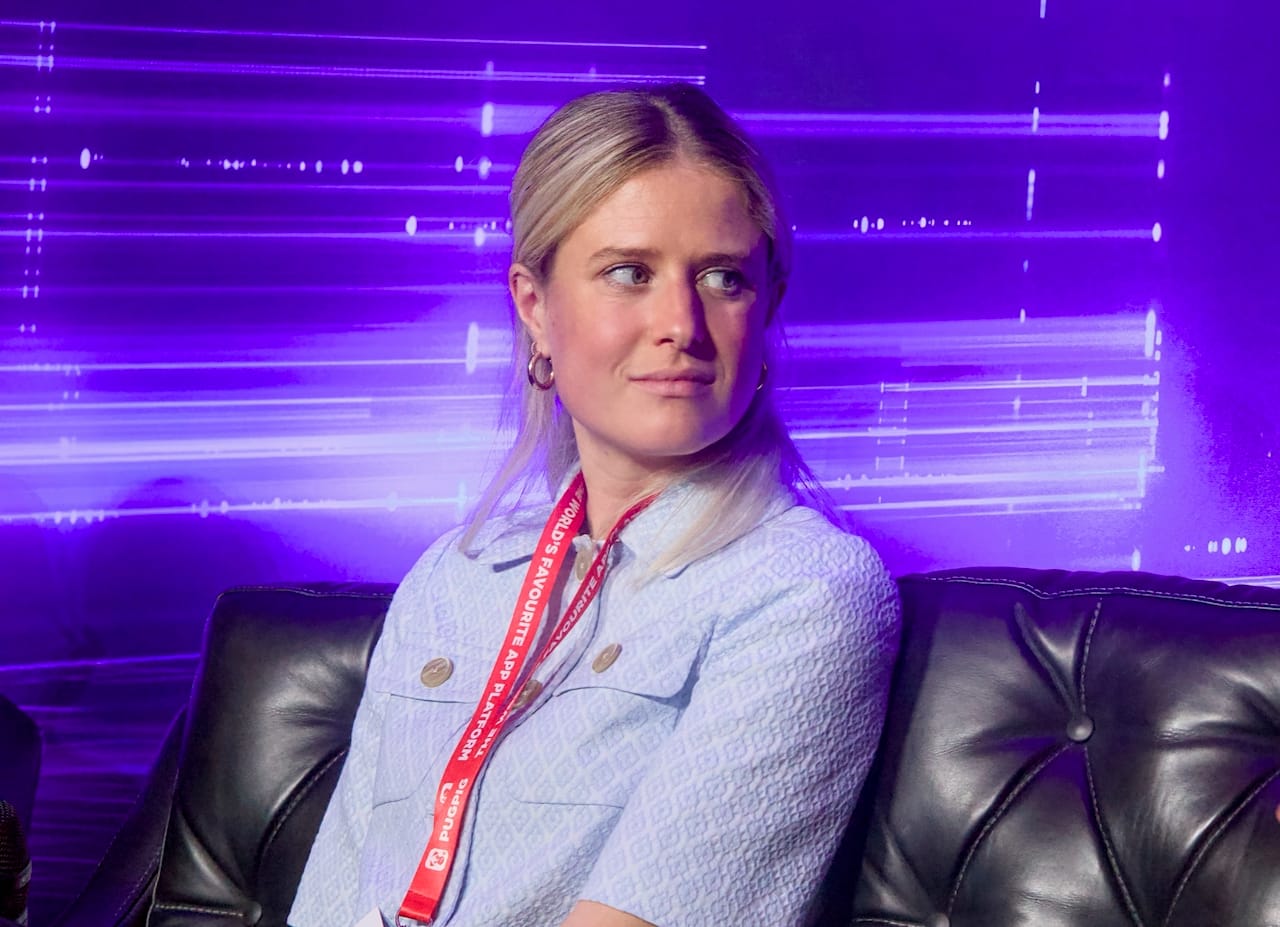
Connie: We are seeing newsrooms rethinking their operating models, and upending them to such a degree that they aren’t recognisable any more. There are lots of models emerging, and each will require a slightly different setup in terms of the teams. We want to encourage as much cross-pollination of skills as possible. Journalists today should be expected to produce for the web, and shoot things on their phones and upload them to the relevant channel. But we also see an increased need for motion graphics designers and visual storytellers. Mapping their video workflows can be illuminating — you can spot repeated or duplicated effort. But it also shows the hotspots where you need specific expertise.
Bryan: Specific people will do specific things and built a parasocial relationship with the audience through video or podcasts. You have someone the audience know and trust — we are aiming to create more pairings like that.
Money matters
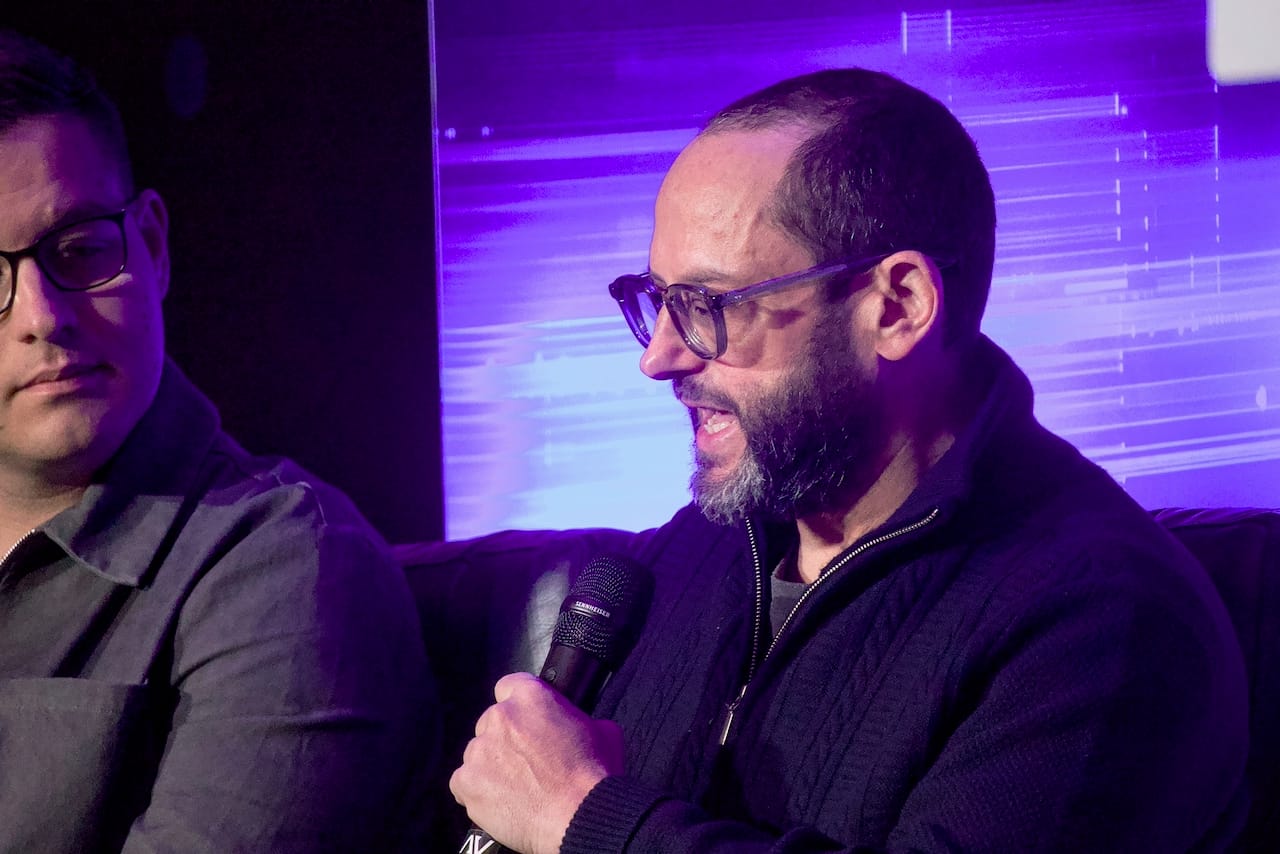
Jonathan: In revenue terms, digital video is about five times more valuable than display advertising. We’re seeing great success with long-form video on YouTube, both editorial and commercially. Are we more likely to win telling stories in video, where we have the most experience, or in other formats?
Bryan: As a starting point, a good YouTube channel should be making £1m per year per channel. And that’s before you get into sponsorships, ad reads on podcasts, and so on. You could make as much from one well-sold series sponsorship as from YouTube from a year. But you need both.
Jonny: In the last six months, the BBC is being more directional about meeting its audience on the platforms where they are. But video journalism is not cheap. It’s cheaper than it was, but it requires specialist knowledge and tools.
AI and video

Jonny: Can we use AI to take away some of that grunt work in video production? Where can we be smarter about spotting the links between the universally interesting stories, and how can AI help us spot that and link it? And then there’s standardisation and discovery of footage. Think about naming conventions — it’s really hard to get journalists to name things in the same way.
Bryan: There aren’t many tools that try to replace the creative process of video. But we’re block recording podcasts now, and AI is transcribing them, auto-cutting between the speaking people, and clipping emotional moments for social. But there’s still a lot of room for good, creative human storytelling.
Jonny: Vertical is critical for us. We saw huge amounts of traffic from young people to the Charlie Kirk story — how do we package that in the right format for the audience in the right way in a timely way?
Shifting formats for new generations
Jonathan: What we don’t know is how the generation in their early 20s are going to consume news. They’re not watching telly, they’re not buying newspapers, they’re moving round social platforms. Sure, we’re finding that audience where they are — but not many of them are coming back to our platforms where we can make money from them. That’s a huge challenge, and we don’t know what that generation will do as they age.
Jonny: TikTok? There needs to be a value exchange if we’re using it. How do we build awareness while still getting attribution back to the source? And we’ve all seen these platforms shift their approaches over time.
Jonathan: YouTube feels quite different: the monetisation is different. There’s been a rush onto platforms, but their strategies change, and you’re in their hands. YouTube is different — their fastest growing device is the TV set! Is it becoming the new TV? But, again, you need to think about where the value is.
Connie: The importance of local and regional journalism cannot be overstated. It’s fantastic that they’re moving into video. That’s where audiences are. Over-55s are migrating to YouTube. Look at what you’ve got already. Look at everything in your organisation that you do really well — and look at what you don’t really need to do. Look at the return on investment of everything you do. And yes, in a smaller newsroom you’ll be working across multiple things.
Key tips for journalistic video
Bryan: I wouldn’t expect someone joining Esquire as a writer to shoot and edit video — but I would expect podcast appearances, ad-hoc videos, that sort of thing. That should probably be baked into contacts. But we do need elite video skills, and those people can draw on the expertise of the newsroom around them. People need to be testing a lot, and there needs to be a low barrier to entry to that experimenting.
Connie: Story always wins, audience knows best. Double down on building communities, rather than destinations. Finally, be ready to upend your operating model.
Jonathan: We are video-first, not video only., But we do want our journalists to think about video in everything they do. Can podcasts be shot? Can articles include video?
Jonny: Be there and be in the moment. The scale and speed with which we can deliver news has only grown. But the expectation is that people are watching video on their phones, shot on phones.


