


Can personality-led media survive the departure of the personality?
As the creator journalist becomes more important, what can we learn from other creator-led media?


I have been watching The Grand Tour.
Yes, really.
This is not a sudden conversion to the joys of being a petrolhead. I drive an EV, and after a couple of weeks with a petrol courtesy car earlier in the year, I’m never going back to internal combustion engines full-time. I am an EV man through and through.
But what I am interested in is how journalism brands can survive in an increasingly personality-led media landscape. And in that context, the relaunched Grand Tour is fascinating.
The show itself was a vehicle for the old BBC Top Gear trio of Jeremy Clarkson, Richard Hammond and James May to continue broadcasting, after Clarkson parted company with the BBC thanks to a small “punching a producer” incident. Two years ago, the ageing trio retired from that show.
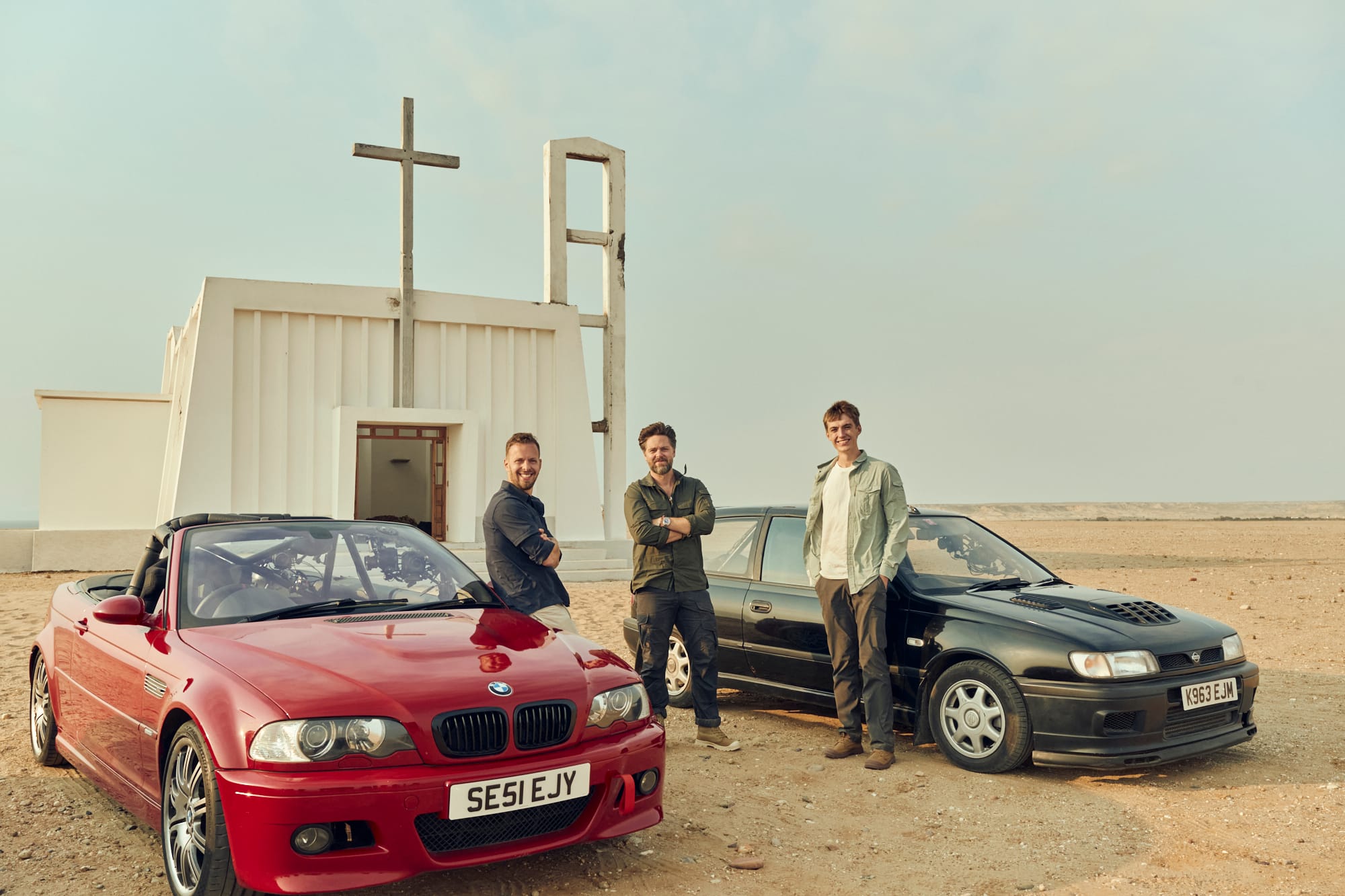
And now it’s back, with a new presenting trio. Could they make that work with a brand so deeply tied to the personalities of the previous line-up?
Post-personality media brands
Twenty years ago, when I was developing blogs for a business publisher, we hit this challenge. We had half a dozen highly successful blogs, driven by single personalities, like Jon Ostrower or Mary Kirby. Neither blog survived the departure of its author but both journalists now run their own, successful sites.
In a media landscape increasingly dominated by newsletters, podcasts and videos, with the personality of the journalist being a key part of these publishing forms' appeal, can those brands transition to new stewardship?
Based on the first couple of episodes of the new Grand Tour — quite possibly. The dynamic between the three hosts is very different to what went before. But it works, is engaging and is very entertaining. But beyond that, it feels comfortingly familiar. The same sort of information is being conveyed, and the same sorts of high jinks occur.
Most of all, the production standards remain astoundingly high. When I haven’t watched one of these shows in a while, I always forget how incredibly cinematic much of the production is.
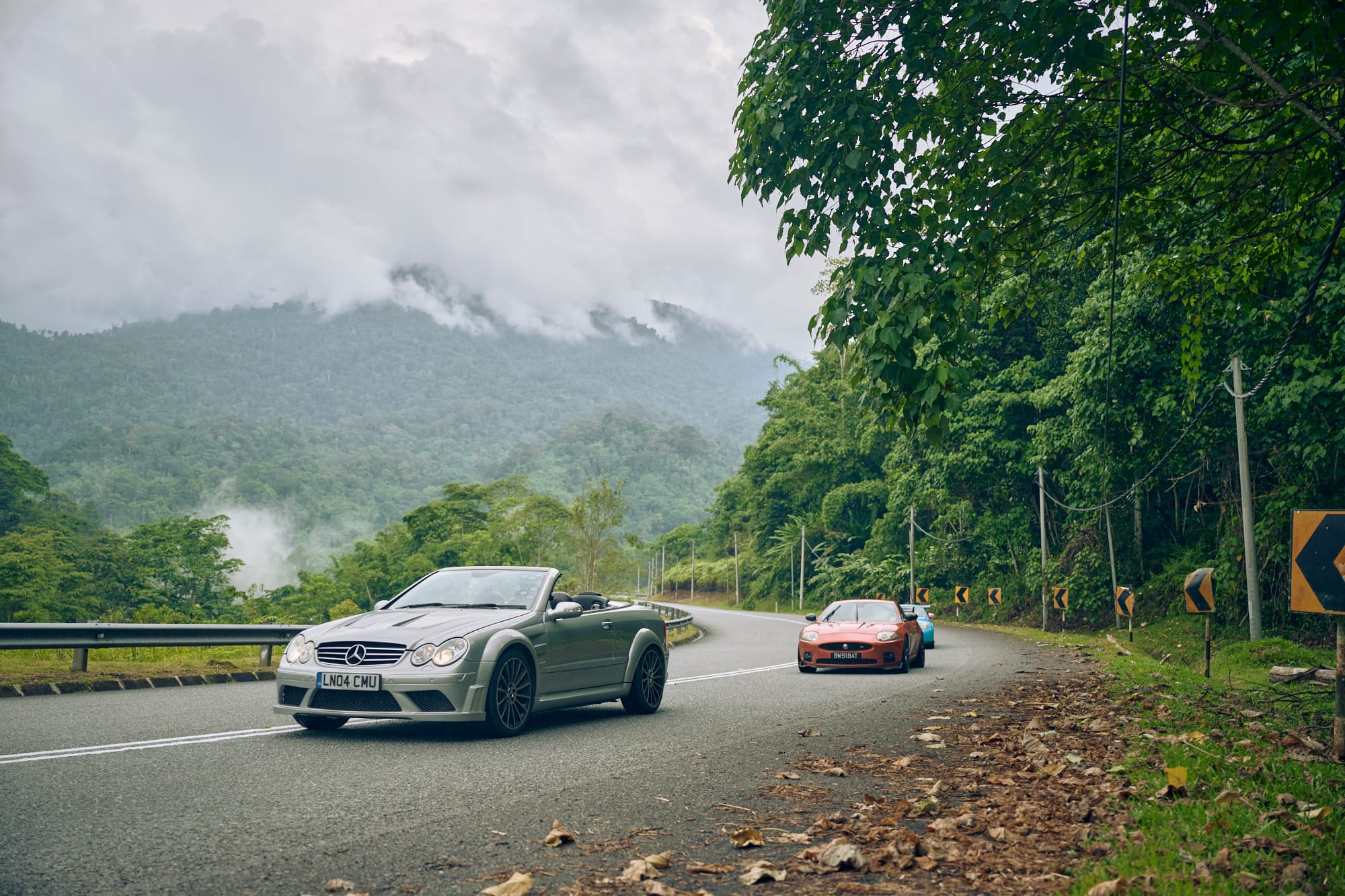
These are beautiful shows that fetishise both the cars themselves and the landscapes they move through.
Surviving a personality loss
And perhaps that’s the lesson to take away from this. You need three things to make a successful personality-led product:
- The personality (or personalities)
- A format
- A supporting team
In the case of The Grand Tour, 1 has changed, but 2 is substantially the same, and there’s strong overlap on 3. There’s enough familiarity to make the hosts transition work.
Where we went wrong with the blogs is that only really the name of the blog and its subject stayed. Everything else changed. That’s not an evolution; it’s a replacement. Arguably, that’s why the post-Clarkson Top Gear struggled. They kept the format, but changed the hosts and the supporting team. Too much change.
From personality to media brand
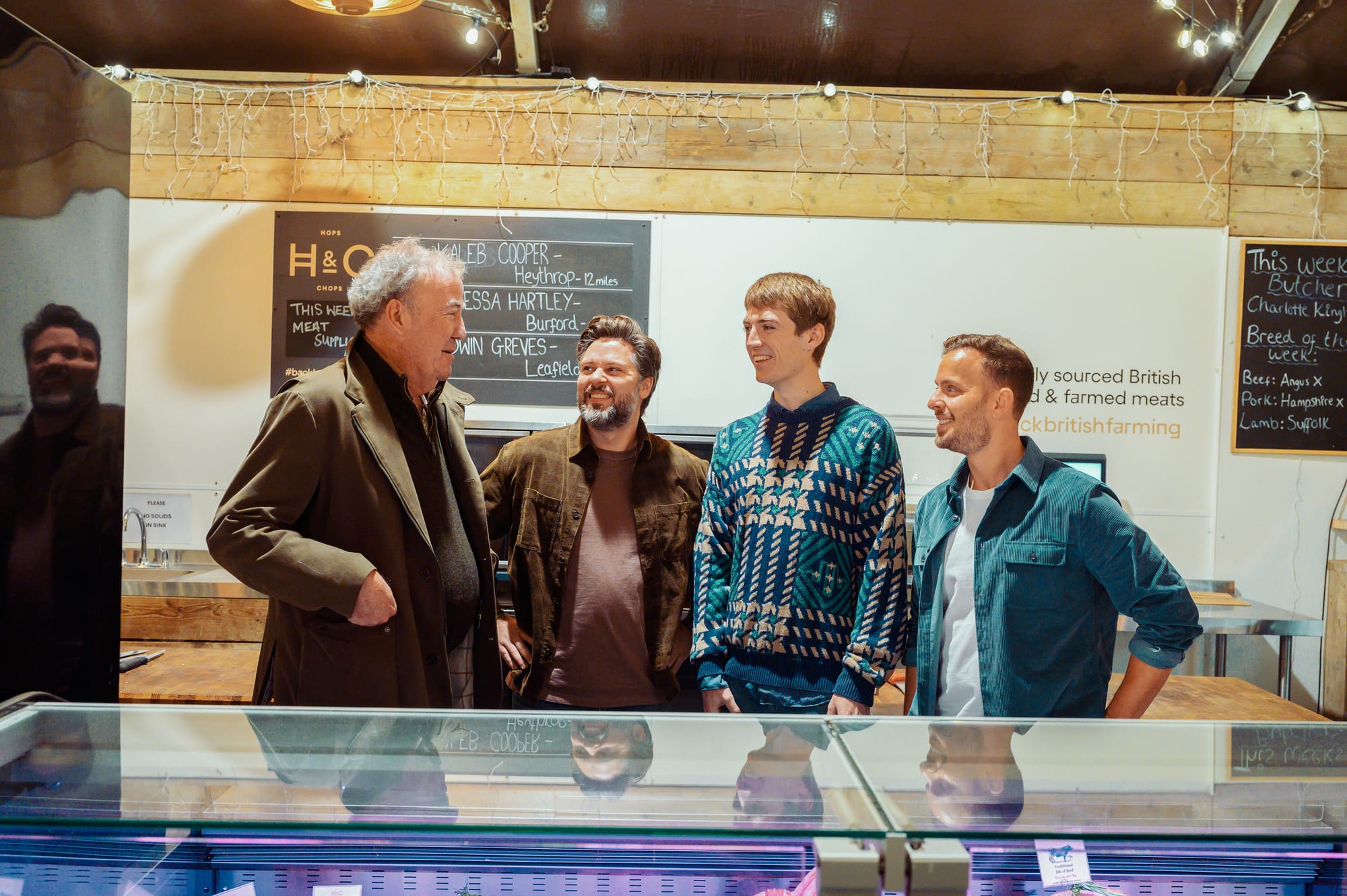
Sure, the new Grand Tour trio have the explicit endorsement of their predecessors, through a series of cameos. Not everyone has that option. So, the pre-emptive move is to try to develop your brand to be bigger than the personality at the core of it.
If you look out at emerging media, you can see the ones that transition to more sustainable businesses spread beyond that initial personality focus. Goalhanger has a format and supporting team that it can drop the right personalities into to launch a whole raft of The Rest Is … titles. YouTuber Marques Brownlee has expanded his stable of titles beyond his original one by bringing in co-hosts for different subjects, showing a way forwards if he starts stepping backwards. The Platformer newsletter is no longer the Casey Newton show alone — he has a (small) team.
Conversely, Vox lost me as a listener when I followed Ezra Klein’s interview show to the NYT. And The Spectator has almost completely done the same because of a major turnover of its staff, since Michael Gove replaced Fraser Nelson in the editor’s chair. (The notable exception is former student Michael Simmons’ podcast Reality Check.)
So, can personality-led media survive the departure of the personality? Yes, but not by accident. Your have to plan for it. The brands that manage it treat the personality as just one ingredient of the successful mix, not the whole recipe, and they build a format and a team strong enough to carry on when one of those ingredients changes.
That’s worth thinking about early, while the personality is still at the centre and everything is going well. If you’re a creator journalist, ask what would be left if you stepped back. Could someone else pick up your format, and does your team know how it works? If you’re a publisher hiring one, ask what you’re building around them. The new Grand Tour trio could take over because the foundations were already there. With my old blogs, we’d built nothing beyond the author that could be handed on.


