

From Traffic to Trust: Publishers’ response to AI
How can publishers respond to AI killing their traffic? Focus less on algorithms and more on audiences – and put community back at the heart of their journalism


Another Future of Media Technology panel, this time exploring how we start acquiring — and building relationships with — readers when social traffic is waning, and search traffic is in steep decline thanks to, you guessed it, AI.
Panel:
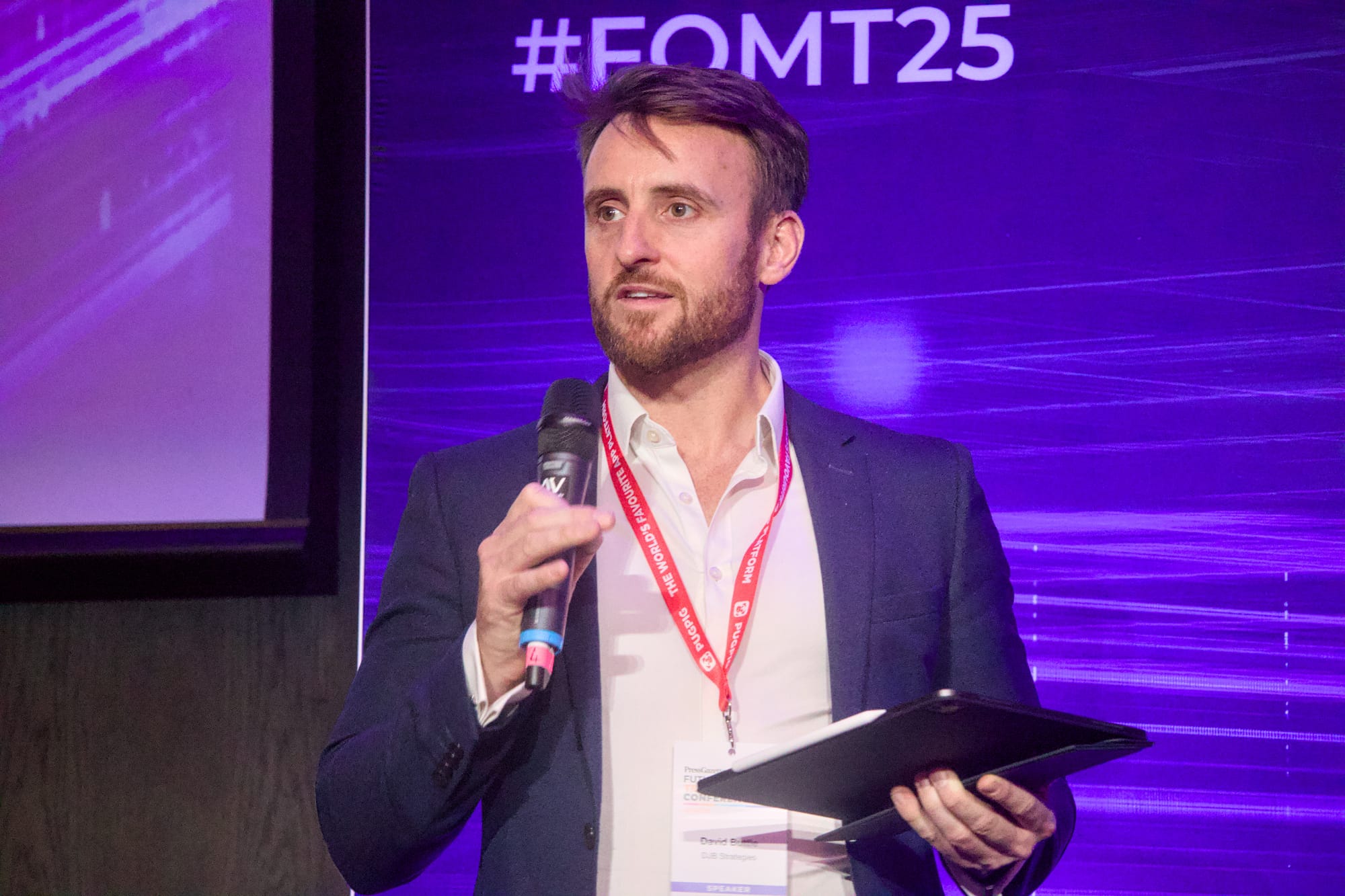
- David Buttle, Founder, DJB Strategies (Chair)
- Caroline Fenner, Chief Revenue Officer, PinkNews
- Pietro Lambert, Vice President of Products, Livescore
- Tom Rolfe, Director of Publisher Development, Open Web
- Anna Sbuttoni, Deputy Head of Digital, The Times and The Sunday Times
Is search trending towards zero?
Anna: Google search is fluctuating but steady for us now. We’re working hard on growing referrers from other sources — Reddit has been a big focus. ChatGPT in the top five for refers, and conversations, too. But these volumes are much smaller than Google. Live coverage is consistent.
Caroline: We rely on social more than search, so we haven’t seen as much impact. But it is a concern, and you need to look at other ways of bringing in traffic. What happens to your business if Google Zero happens?
Pietro: We’re seeing 5 to 10% decline from Google, but seeing an uptick in traffic to post-match analysis. And we’re using Ai to help contribute to that.
What types of journalism are being hit?
Anna: it’s very much lifestyle and evergreen content that has taken a hit on traffic. Exclusive big investigations, the comment pieces, that remains steady, with high engagement. We have to revisit that — what does evergreen strategy look like now? What do our subscribers need from that now?
Caroline: AI isn’t real time, so that’s where we’re seeing it holding up.
Pietro: We try to create a daily habit for the users. Scores, fantasy games, and those sorts of things. Some sort of daily habit-forming activity.
And how do we respond to AI?
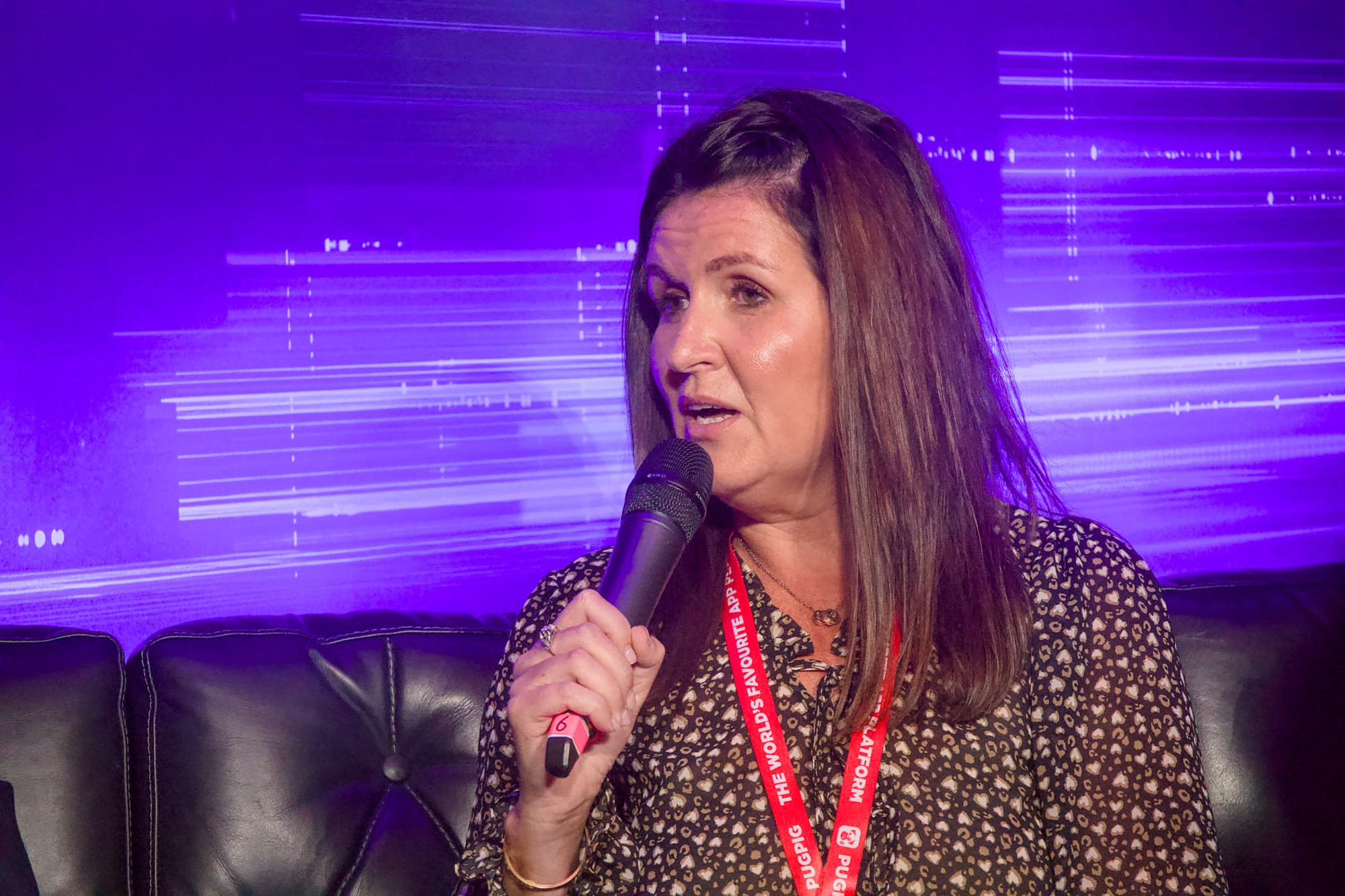
Caroline For us, it’s polls, competitions and encouraging UGC. Our brand is a community — we have so much engagement. We look at likes, comments, shares, comments and dwell time on the website, repeat users. Keeping people in the ecosystem is increasingly important — and that means WhatsApp channels and Facebook communities, and subReddits.
Tom: For a long time, publishers were focused on the top end of the funnel, “free traffic”. And now they’re working on the middle of the funnel: engagement, commenting, driving more page views.
Pietro Scores is still our core offering, but we are adding community features, across web and app. But the context is critical, everything has to be real and trusted.
Anna: Everything is about getting readers into the app. Once they’re there, they read more and more deeply. It’s a better experience for them. Having the app and having all those features is part of the feeling of belonging, comments are part of that, as are newsletters.
The rebirth of community

Tom: Community is the bridge between content and engagement. It’s capturing the audience by extending the article with what the audience are thinking in a safe and non-toxic way.
Pietro: We’re adding a social and emotional layer with our community features.
Tom: Publishing has a massive opportunity in this space. Social almost encourages of toxicity. Publishers can offer an environment where audience can come and be safe. Publishers can own that safe community space.
Managing communities
Caroline There are some horrible people out there. They have relied on community moderation in the past, and now are fully human with two or three people working on it.
Tom: we exist to help do this. All comments pass through 30 to 40 AI models, like attack on author, and the publisher can choose how those models react. And the users are informed in realtime if they’ve breached policy. 40% of user will rewrite their comments.
Anna: We switched to real name comments two years ago. It was a positive step for us and reduced toxicity. There’s no mask — it’s your name on your comment. Anything you can do to improve the quality of the discussion, even if you get fewer comments.
Pietro: It’s a never-ending job. You have to keep tweaking the model. It might be too tight, it might be too loose, and let in too much toxicity. It’s really important to have a community manager who really cares about this.
Tom: Reddit is a competitor, but it has led to us releasing a forum product.
The evolving role of SEO

Anna AI traffic is an extension of the SEO team’s role — that’s where we see it.
Caroline: ChatGPT isn’t an important source of traffic for us. We’re keeping an eye on it, but we’re not experts by any means on it. .
Anna: What’s the point of SEO? People ask. The role has been evolving for years. This is a new world that’s in their space. What’s best practice? What’s going to happen? They’re leading us on this, as they should be. The Washington Post had a job add for the had of AI discovery.

Pietro: We’re clustering content to answer more complex questions, and concentrating on fresher content. They send out billions of notifications each week — and they monitor click-through rate and depth of engagement.
Anna: The Times is lucky that it has that 240-year history. It’s something we need to protect — the legacy and authority we have. It’s something we talk about every day in the newsroom. One step is putting our reporters at the heart of what we do? How do we show our working, and the many hours that have gone into our investigations?
Caroline Our community is built in lived experience, emotions, and understanding. “You know what, they’ve gone through what I’m going through”. This is why we’re here and why we’re doing it.
So, what’s exciting now?
Tom: Forums. I’m quite excited about it. I saw a demo of our forums products this week, it’s going to be great. It’ll be another string for publishers to engage with the community, and will help SEO and AI discovery.
Caroline Events. People want to meet up and talk about things.
Pietro: I’d like to volunteer to be a beta tester of forums!
Anna: Our newsletters. We’ve got 25 — but we need to revisit them, everything from on-boarding to unsubscribing.


