

Notes from OphCon 6
What do you get when you get journalists, coders and audience data enthusiasts together in a room?

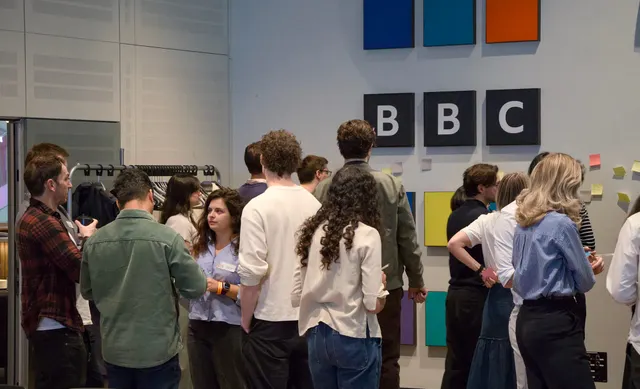
Last week, I had the delight of talking to a group of journalists and coders at OphCon, an annual get-together of people interested in the use of audience data in the newsroom. So, why didn't I liveblog it? Simple: it was held under the Chatham House Rule. So I can talk a little about what was said, but not who said it. And I'm certainly not going to betray some of the confidential information sharing that was going on.
As the threats from outside gather around journalism, I find myself increasingly drawn to smaller events like this; ones where practitioners share experiences and successes, rather than the more grandstanding “big names talking at you” style events.
For example, the first section of the day was an unconference, where attendees pitch session titles on post-its and then vote on each others' suggestions using little stickers.
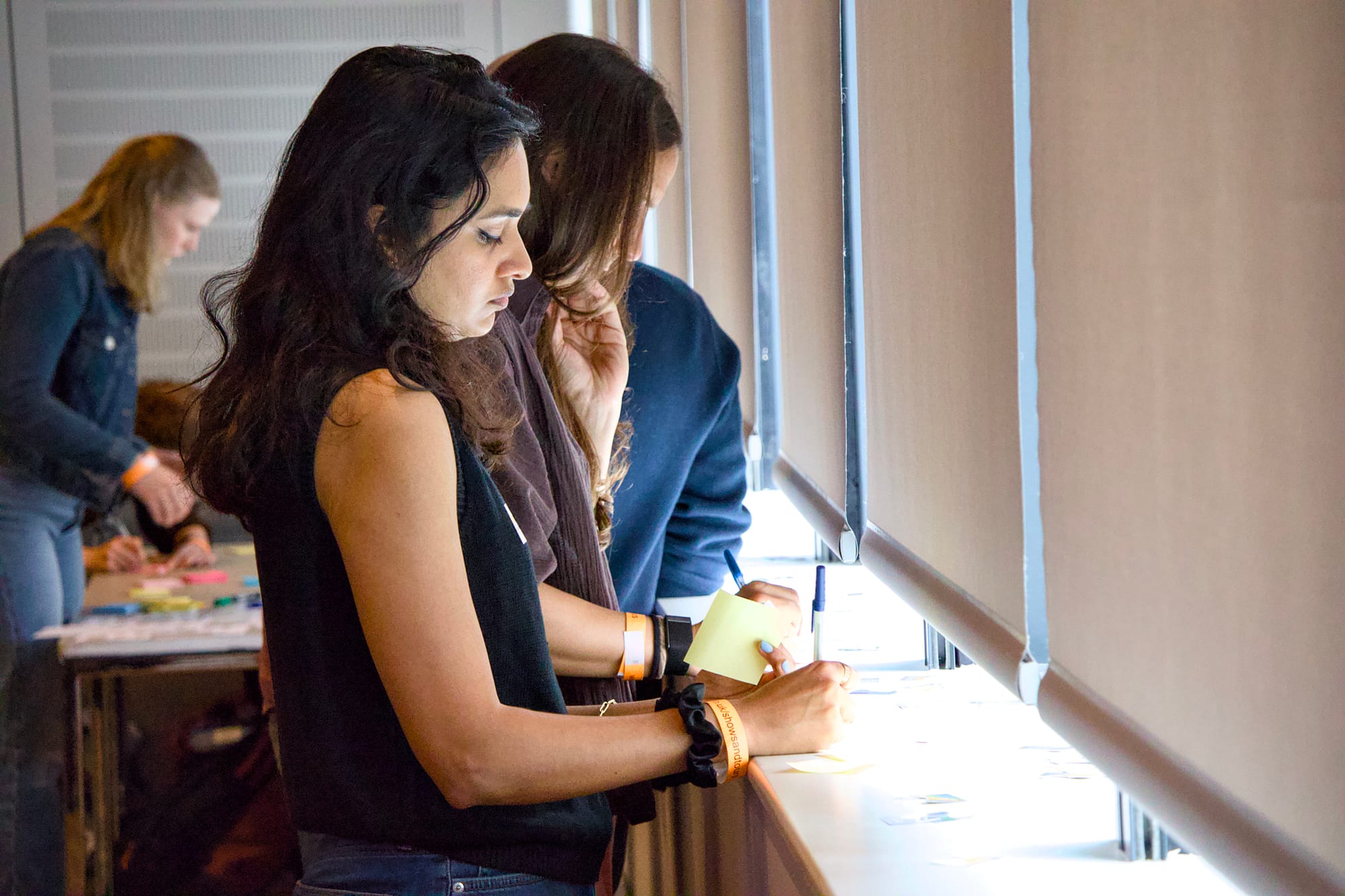
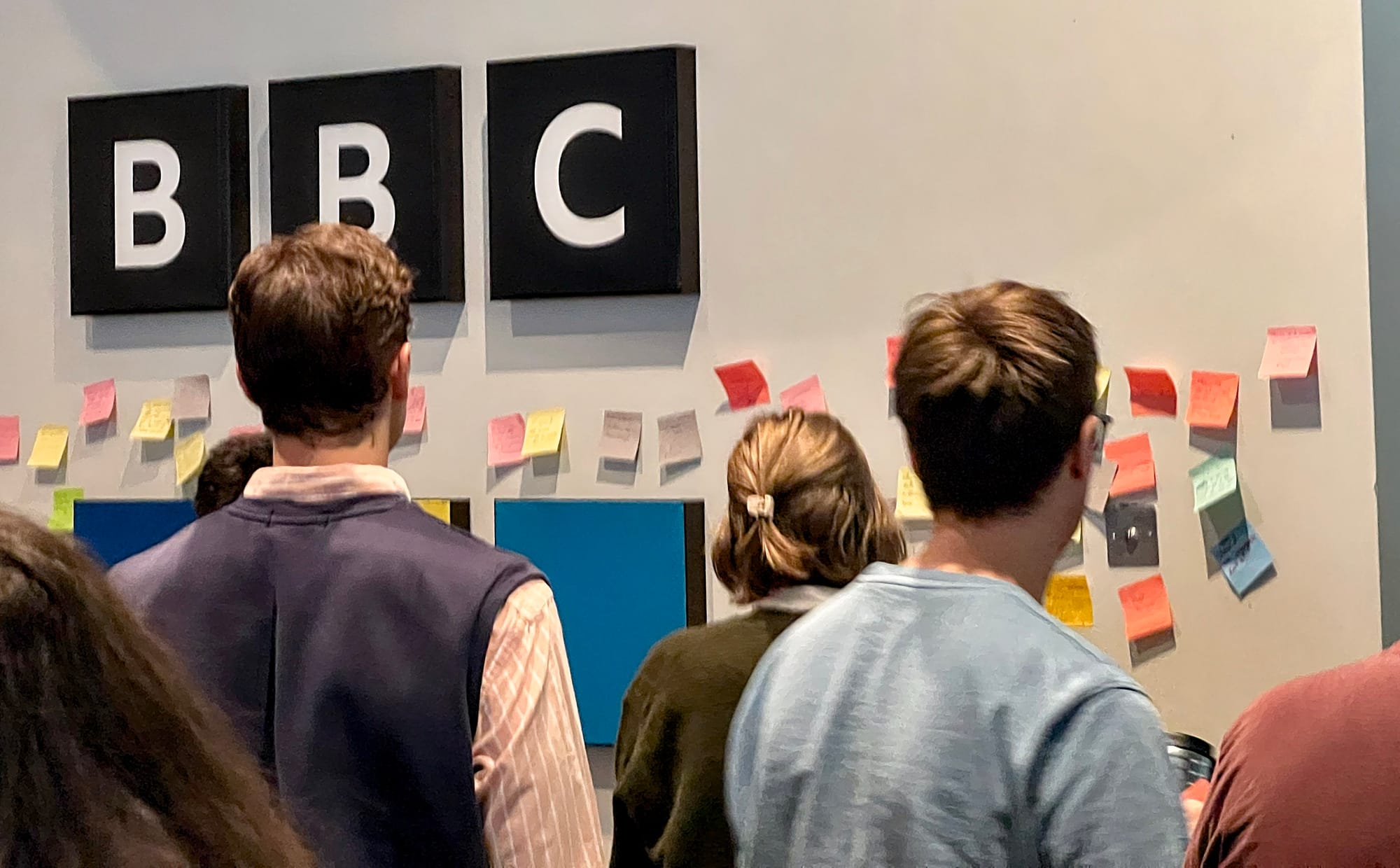
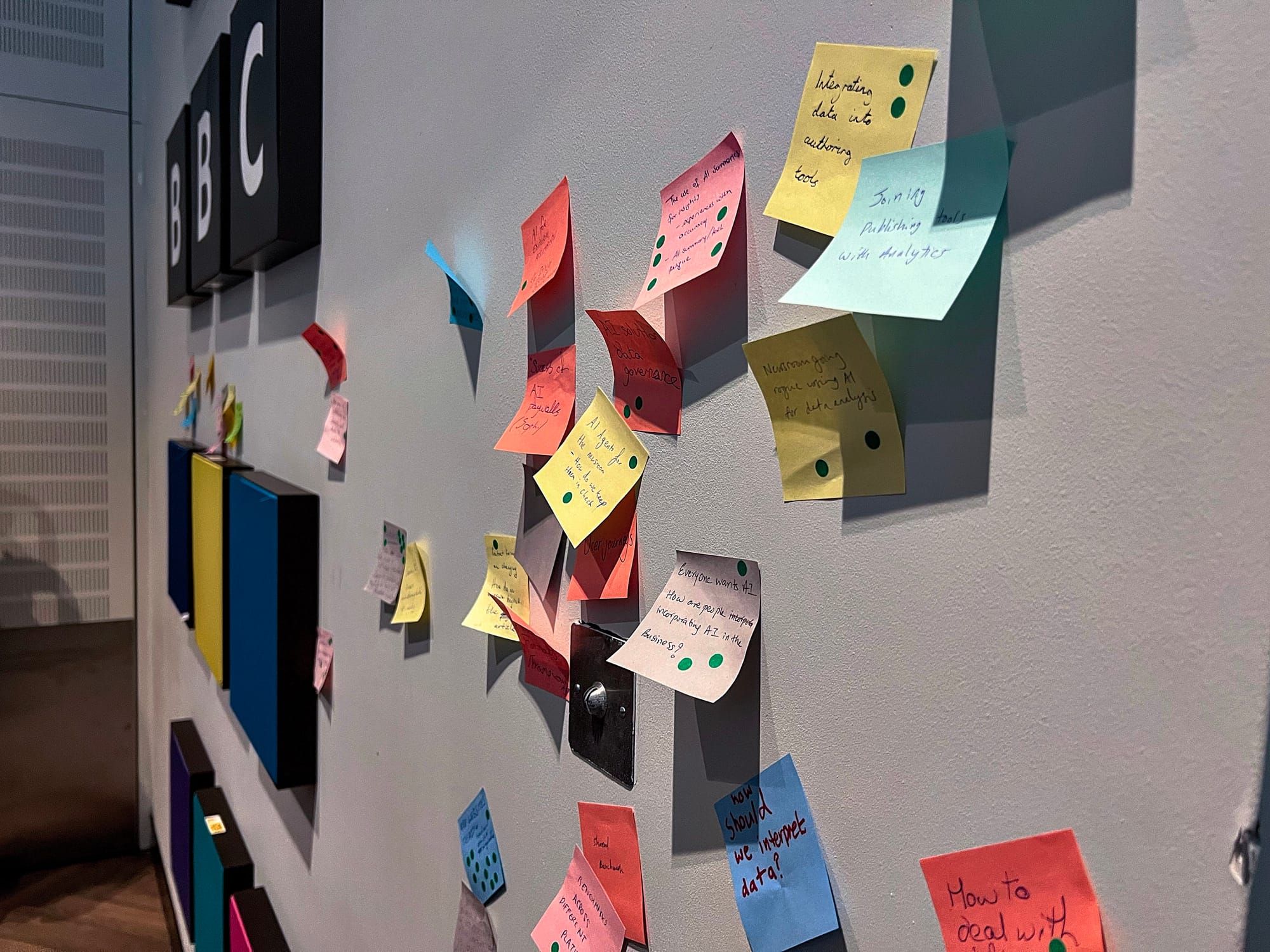
The unconference pitching
Unconferencing attention
The two sessions I joined were about:
- Maintaining editorial integrity while chasing the algorithm
- How do we cope as search traffic tends towards zero
Chasing the algorithm
This was a really interesting discussion. There was a clear awareness that we needed, more than ever, to be visible, active and successfully on social media platforms, but that this work comes with significant reputational risks.
The consensus emerged that it's important to keep your focus on why you're using the platform, and what your editorial mission is. Viral content that does big numbers feels satisfying, but doesn't inherently serve the needs of the business or our audience. From people most active in the space, there was a clear message that you certainly can “borrow” the formats of viral content, but use them as a container for something with journalistic value.
But there was also a strong suggestion that we shouldn't be too wedded to the idea that we have to take the “dad dancing” approach of following the trendy formats. Ruthless experimentation, where you analyse what works and what doesn't via attention to the metrics, allows us to create formats that can be both journalistically valid and deliver good engagement.
It was a surprising hopeful discussion.
What happens when Google stops ending traffic?
This was a less cheery discussion. Most people attending had seen significant drops in traffic from Google as it pivots towards providing more answers directly via AI.
The interesting element was that not everyone is being hit equally – and that some topics are suffering more than others. There was a strong hunger for a little more careful data sharing amongst publishers, so we can build a stronger picture of exactly how the changes are impacting us. Honestly, I found myself wondering if this was something we could facilitate at City St George's for the benefit of the whole industry.
There was also a strong streak of anger and fear about the way Google, and the tech industry in general is approaching this. The contract that was implicit in search historically has been completely destroyed by the advent of AI, with Google keeping more and more queries within its own site, answered by AI from our data and reporting. And there was a clear feeling that we need to fight back, not meekly accept this.
Bring me my tools
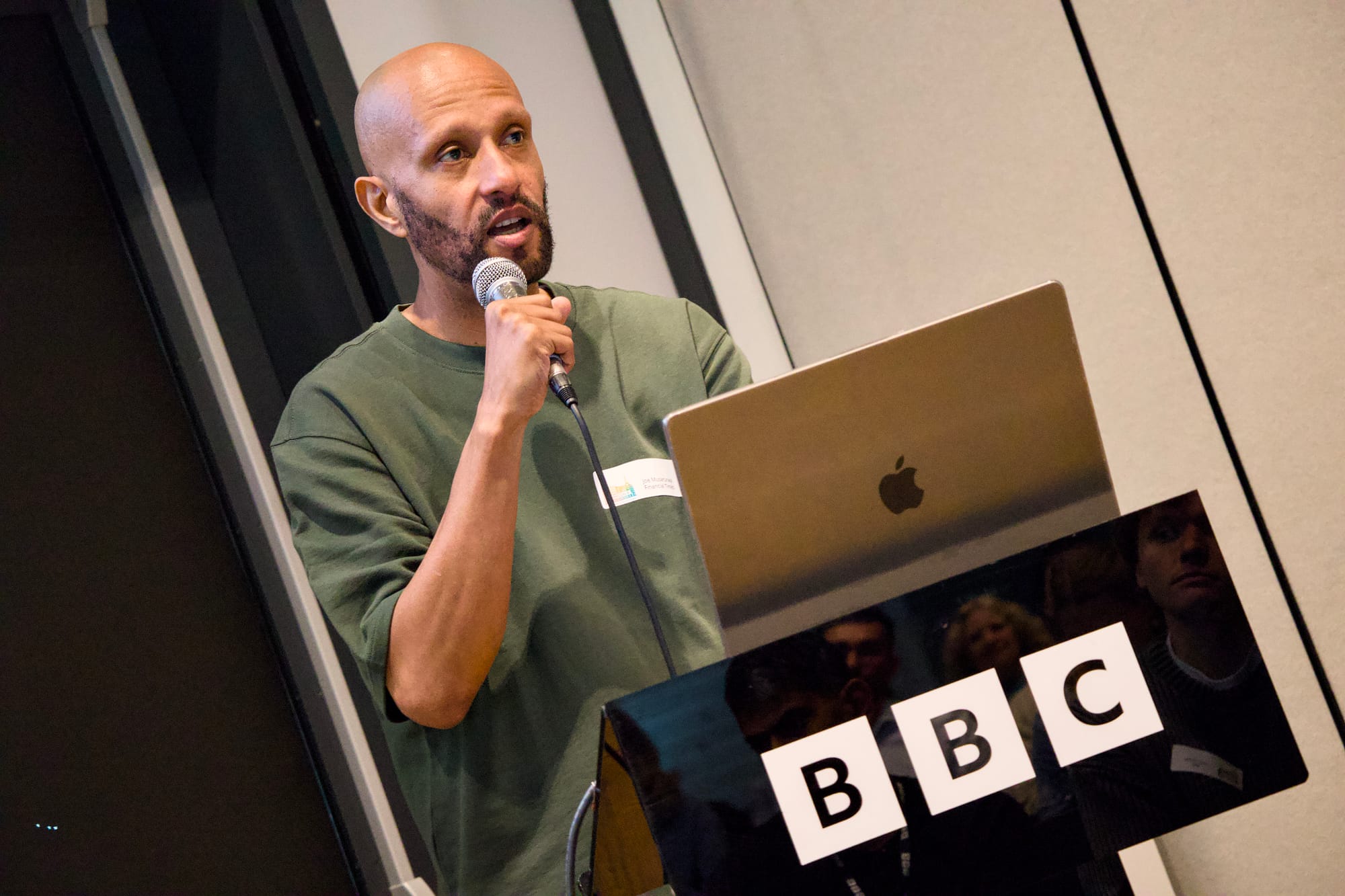
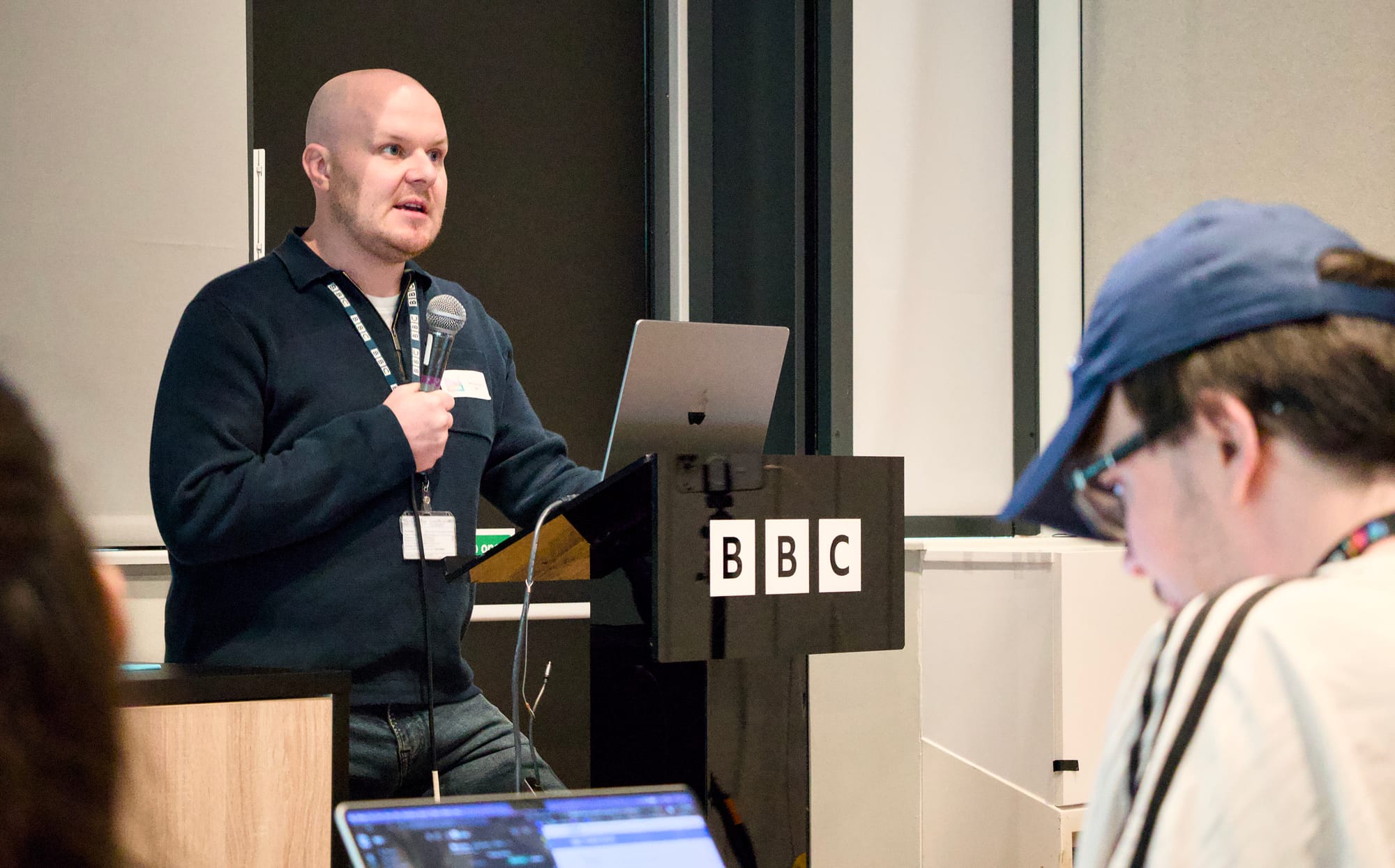
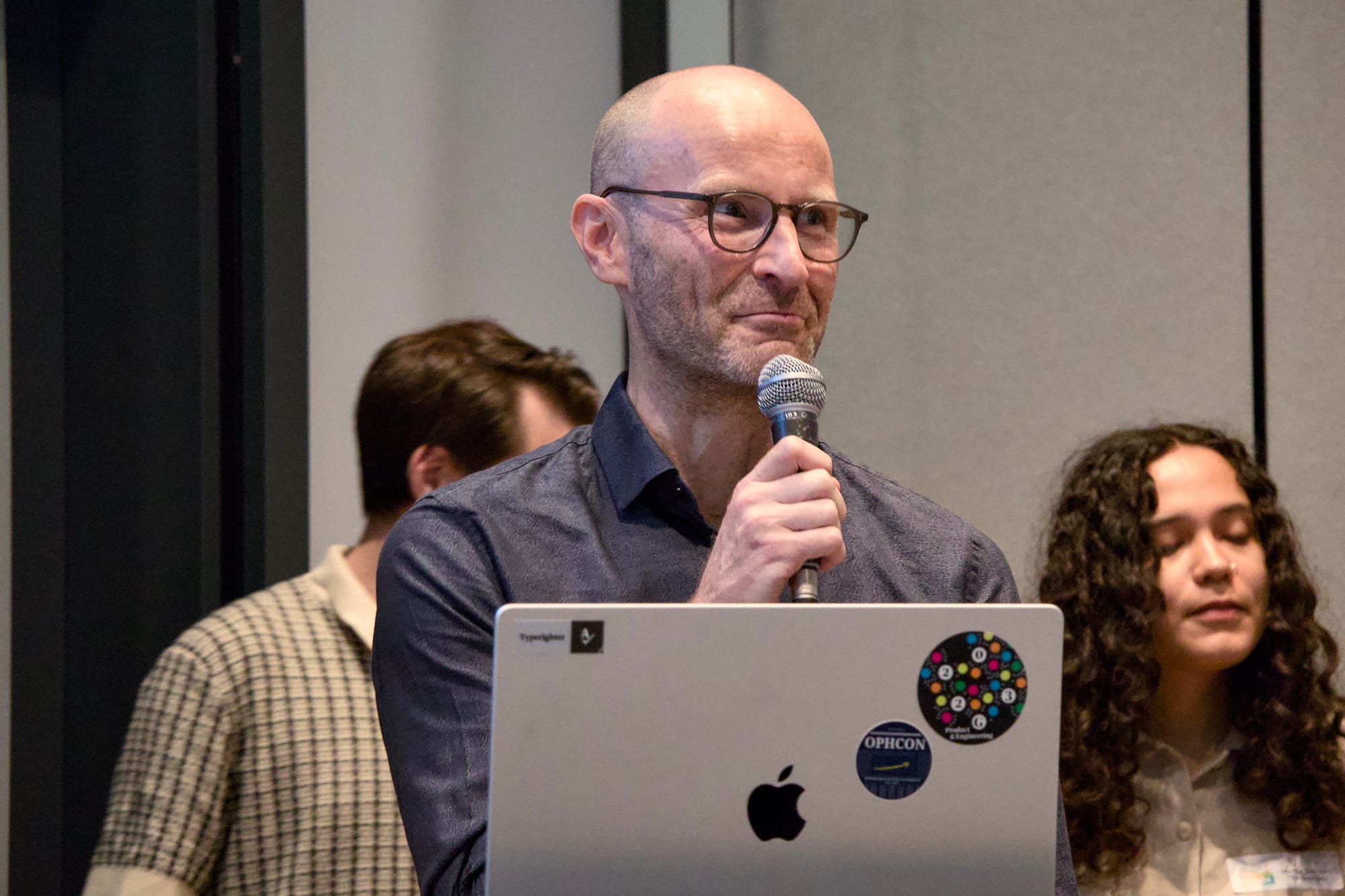
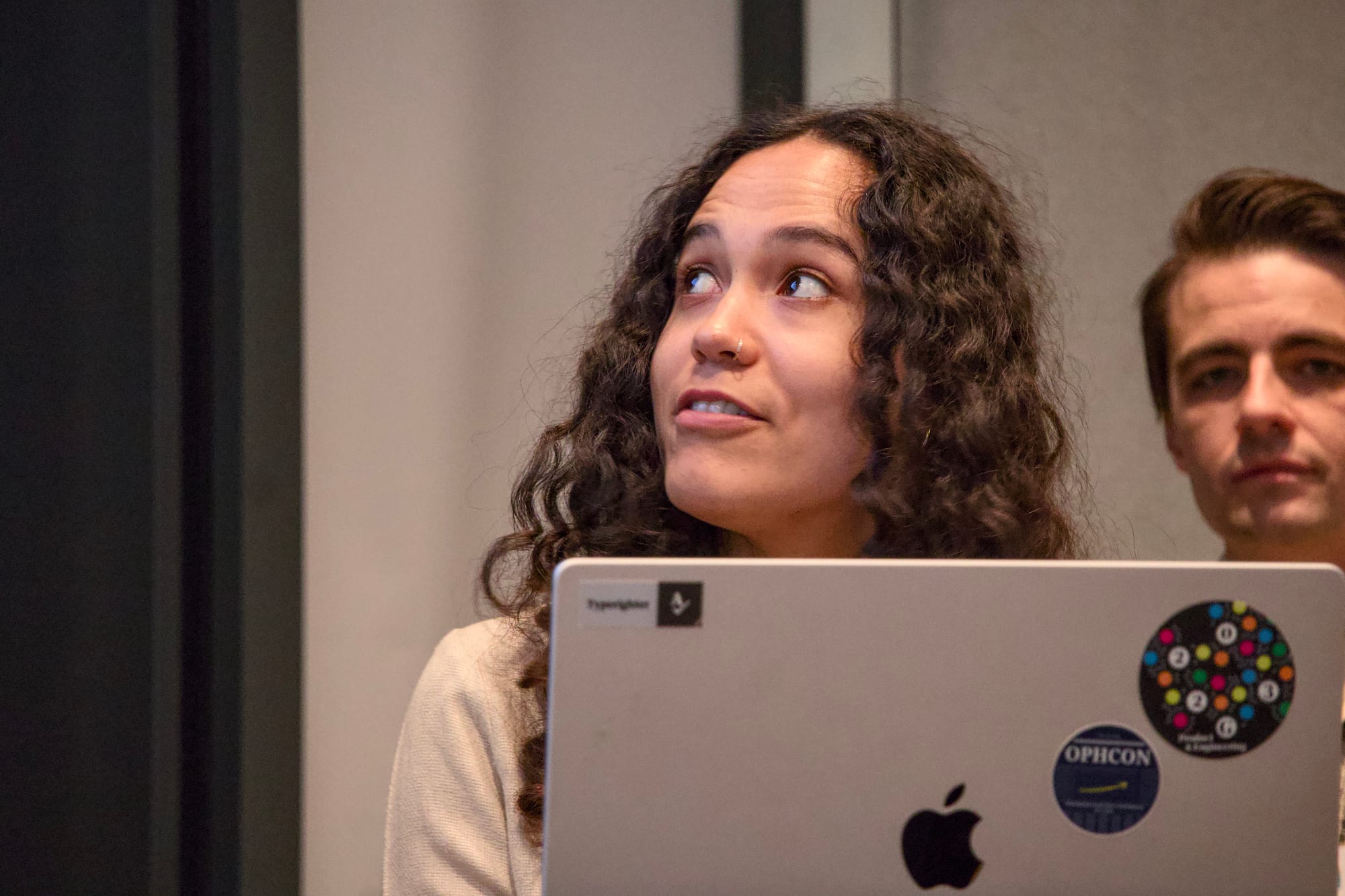
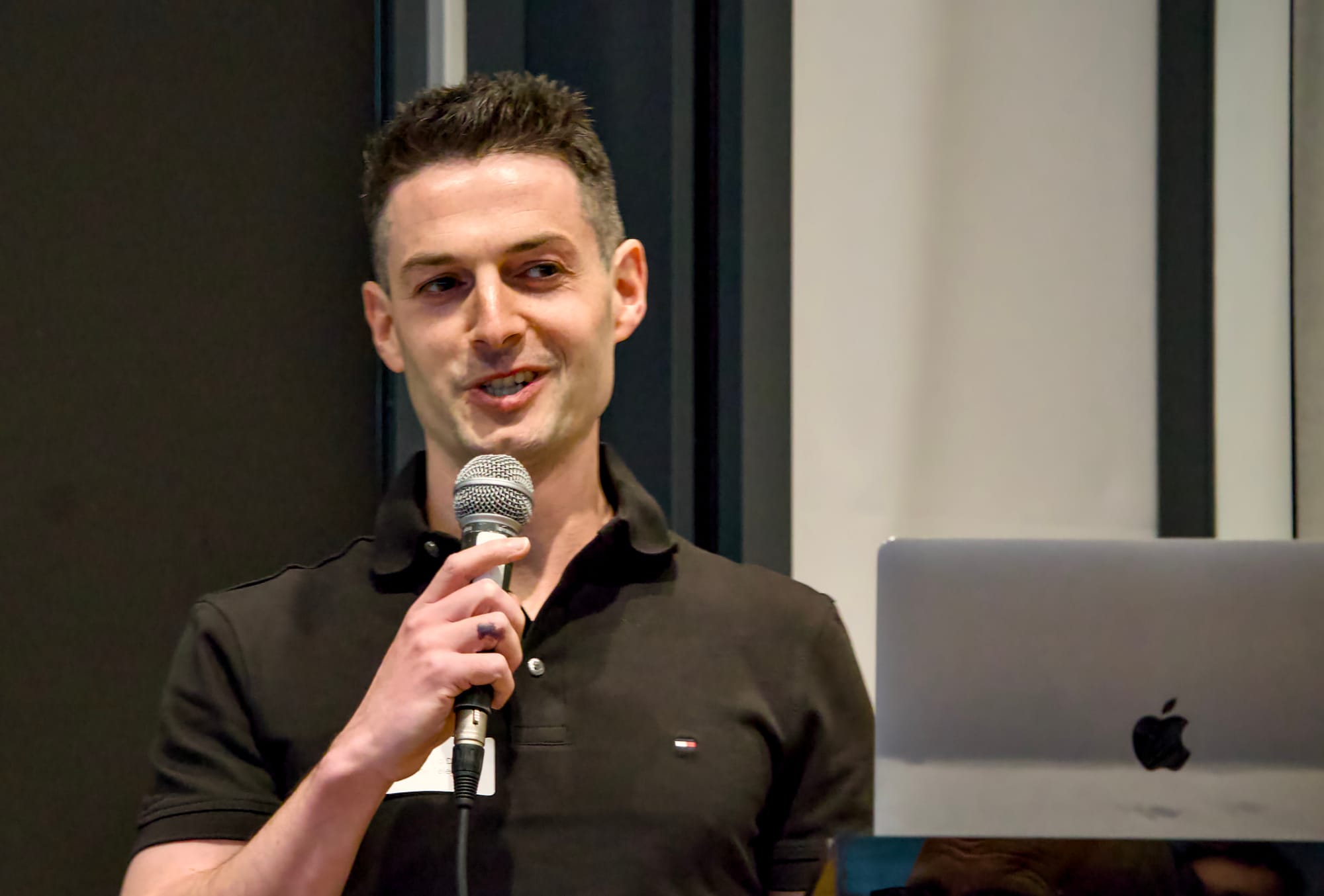
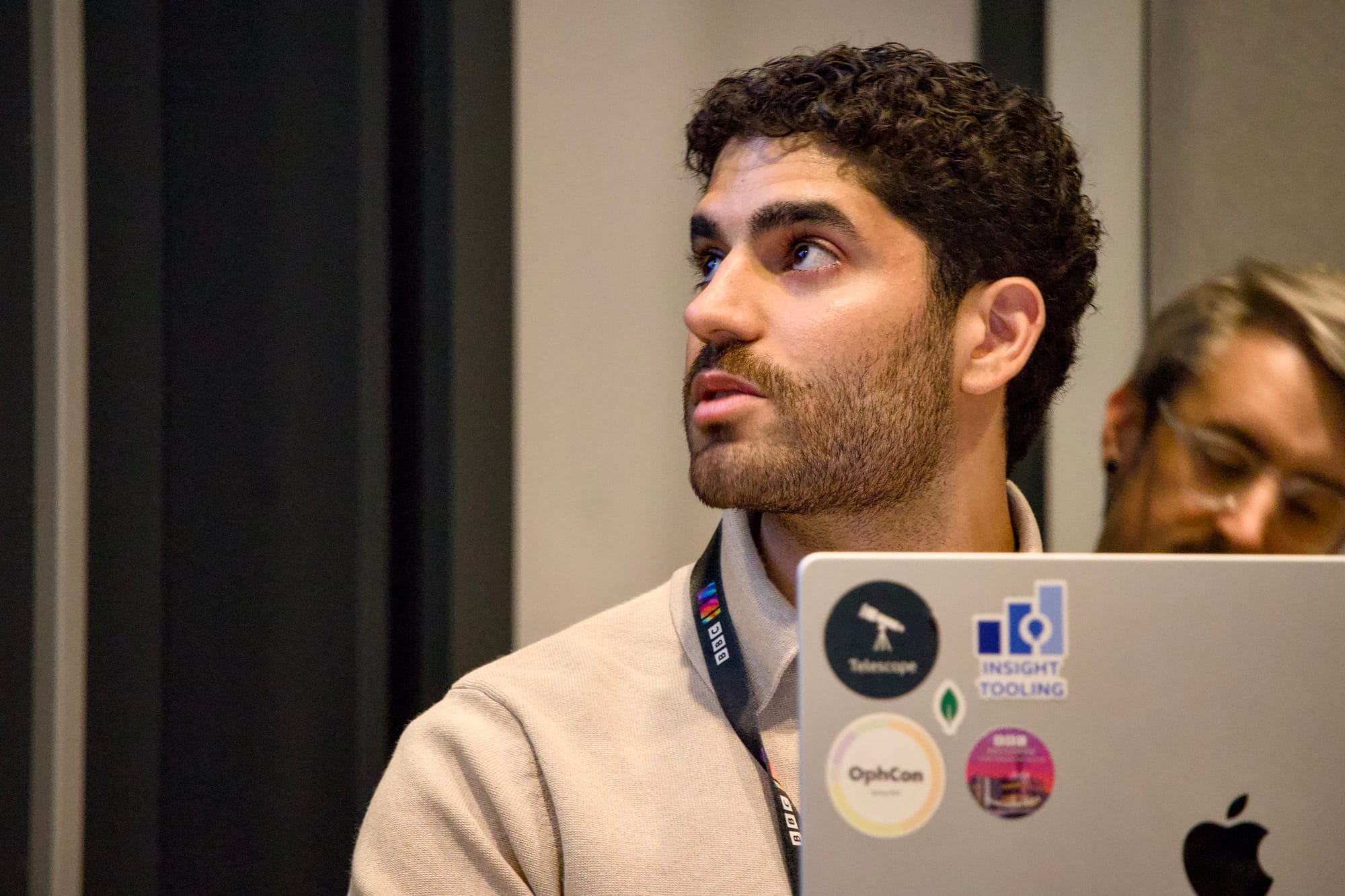
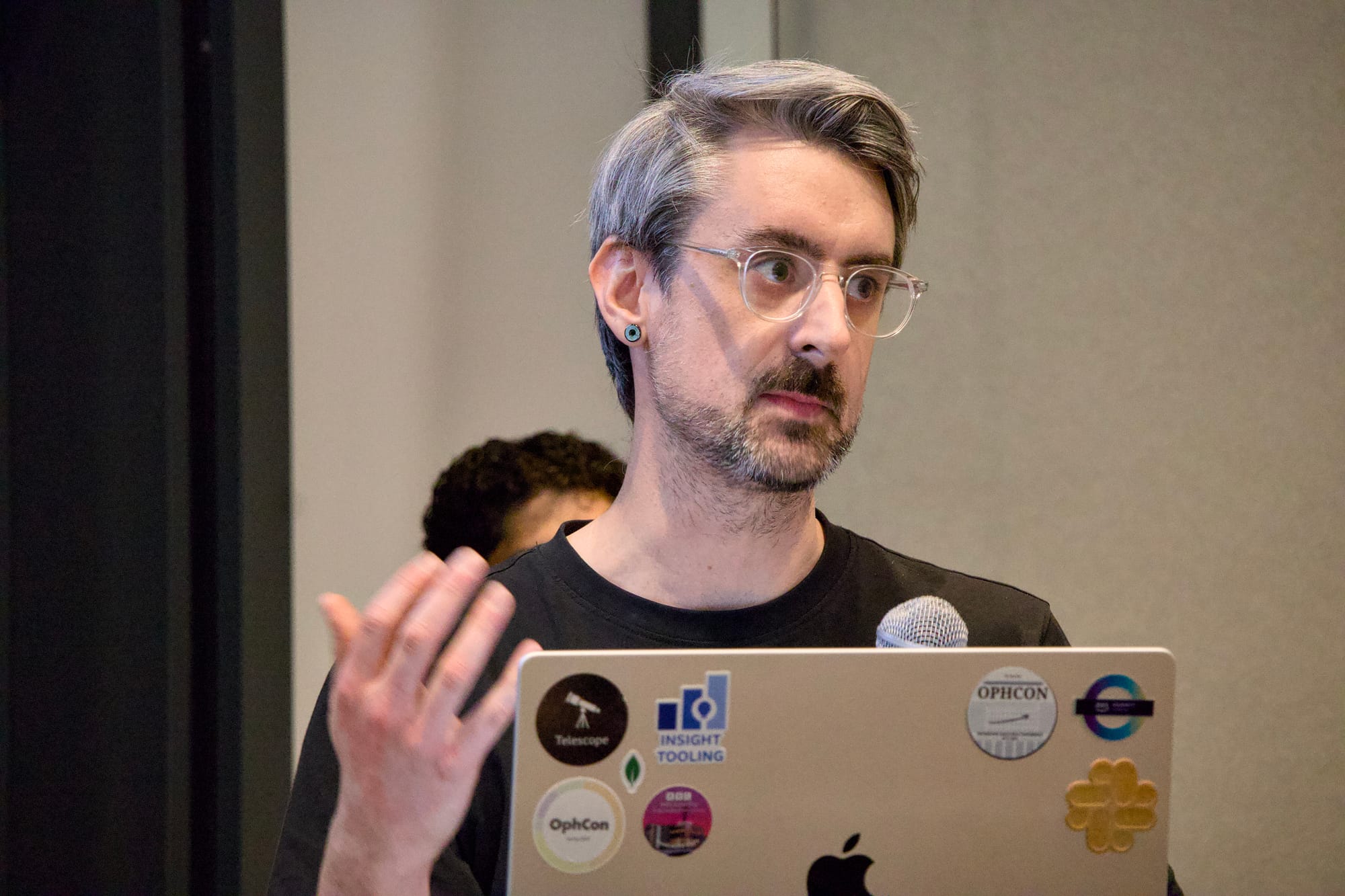
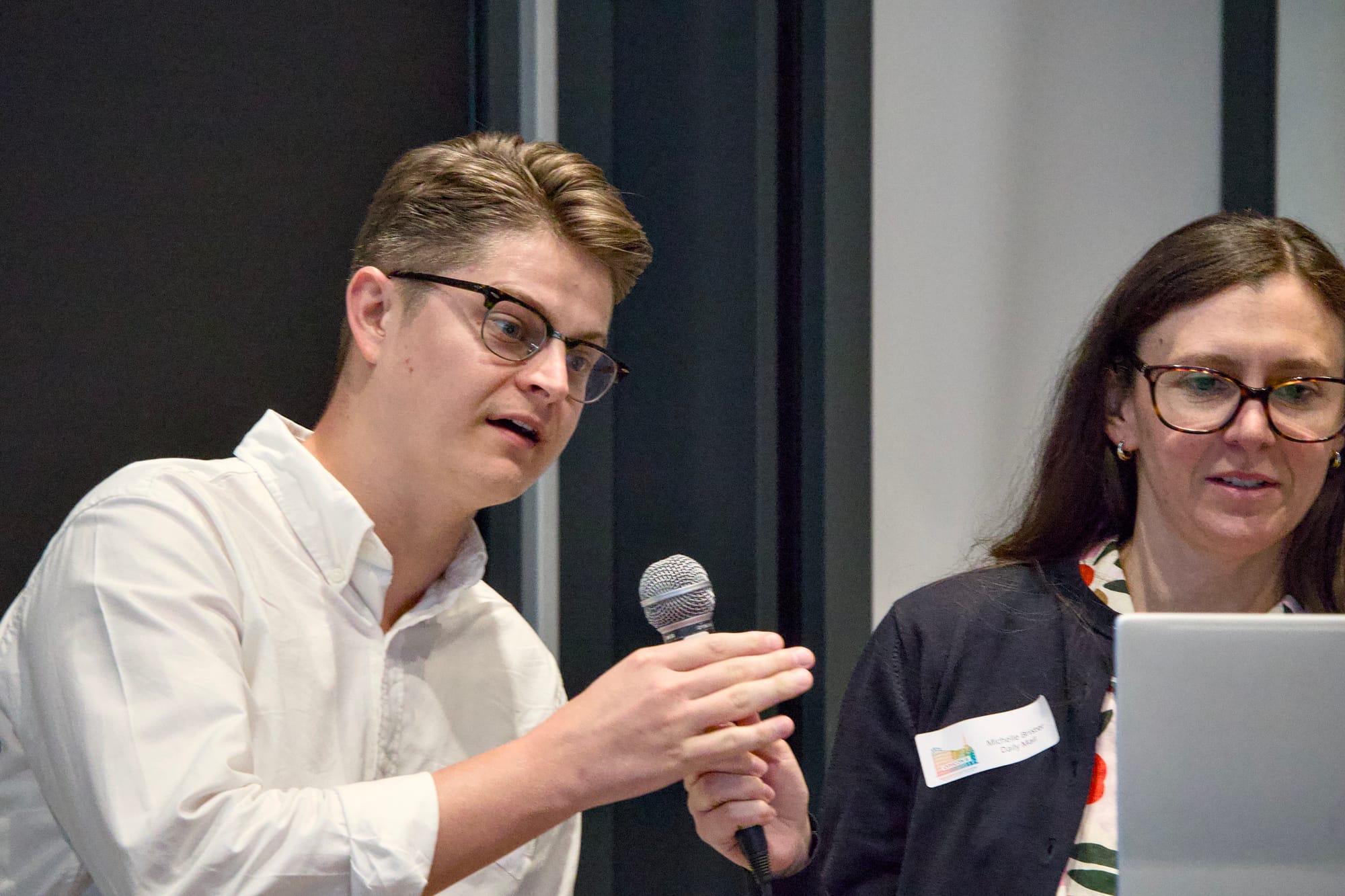
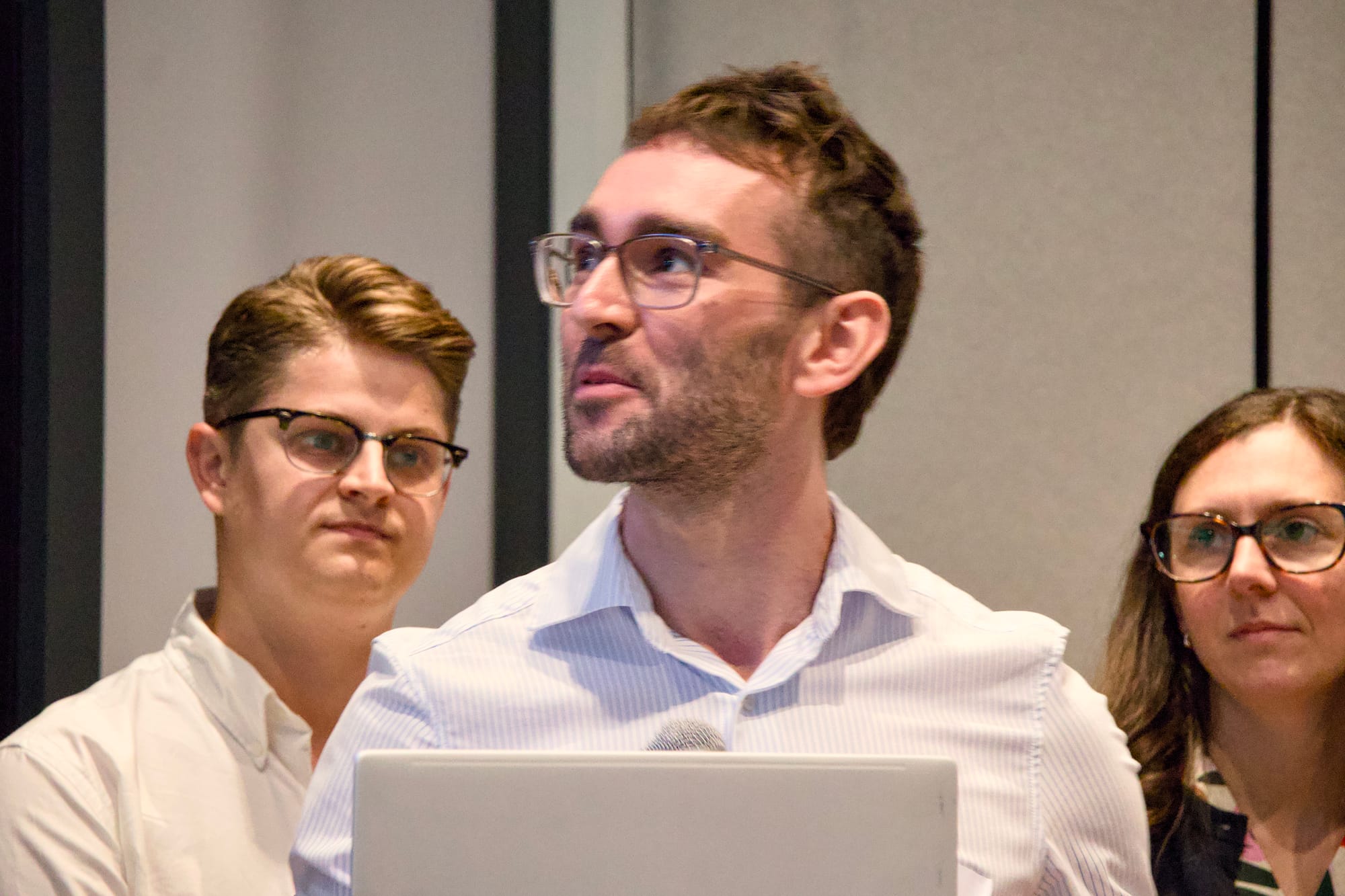
The tools session, with presentations from The FT, the BBC, the Guardian, the Mail and the Telegraph
The next session was a series of short presentations on newsroom tools. I have to be very vague here, for confidentiality reasons, but the two things that were of most note:
- a fascinating example of how Ai can be used for fact-checking, automatically, but with the human writer and editor having to approve any change before it happens. There was a general mood of extreme caution about using AI for anything audience facing – and some examples of failed experiments, simply because AI could not be made reliable enough.
- Everyone is building data tools to better understand how their platform activity actually impacts the reach of their journalism. As an audience and social media person, this obviously pleases me. But just as interesting were the platforms different titles were choosing to monitor. Oh, how I hate the Chatham House Rule right now, for I can say no more…
Closing keynotes
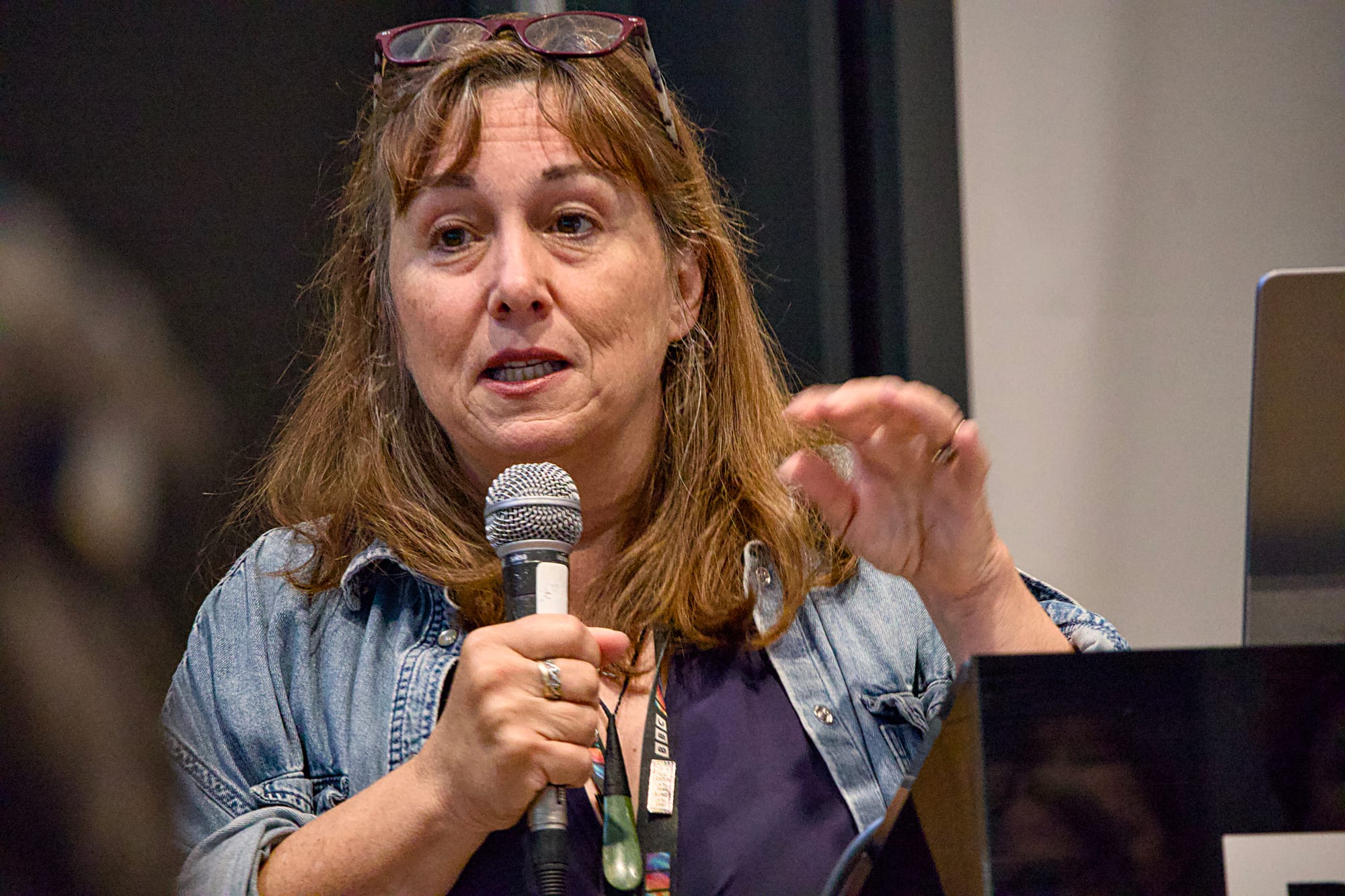
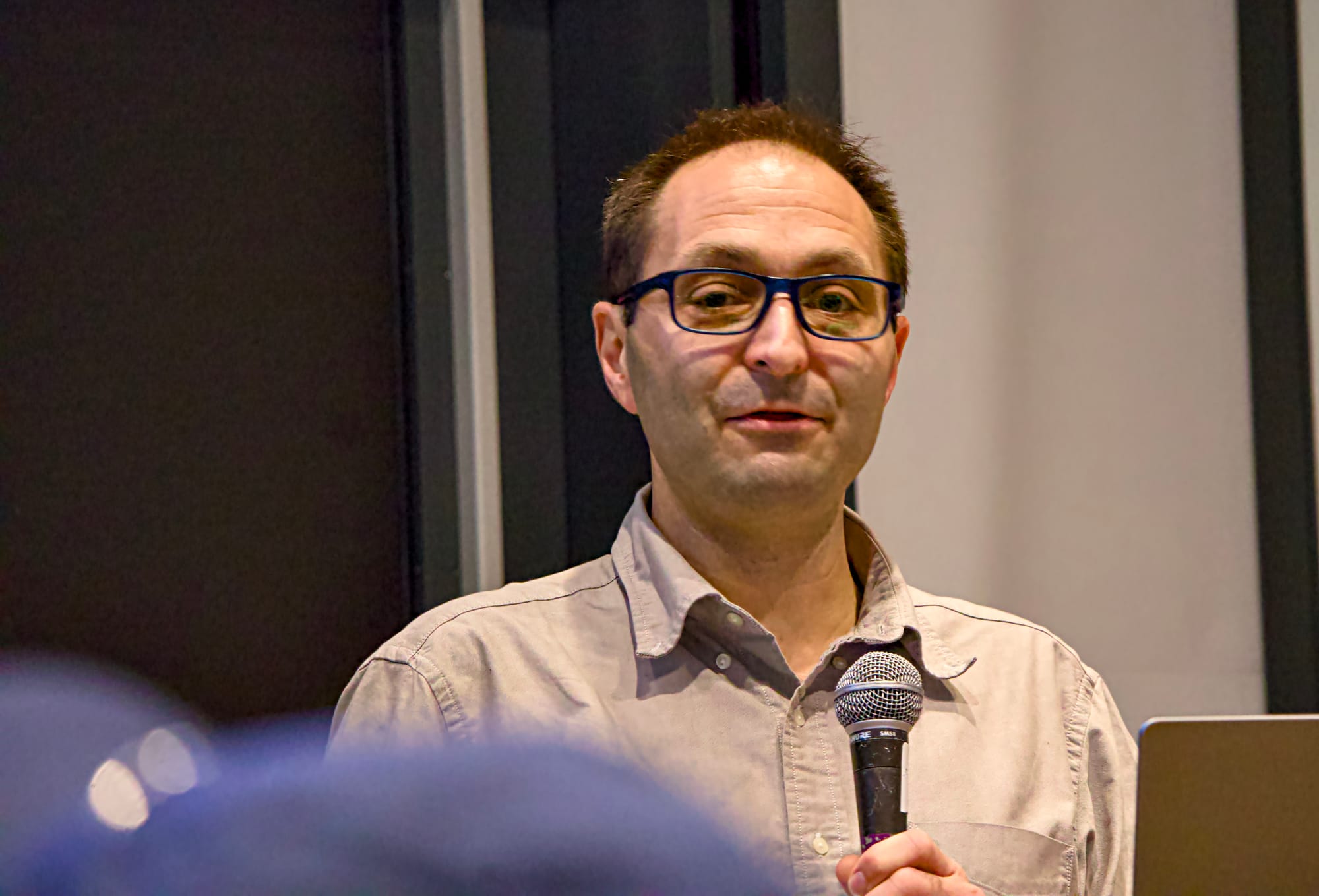

The closing speakers
Finally, after a lovely lunch and network session, we had the closing keynotes. Three subjects covered:
- What mainstream newsrooms can learn from the tools independent journalism outlets are using
- C2PA - a technical approach to embedding provenance into digital media, and one step towards an ecosystem that can rebuild trust in news.
- How to make real, lasting newsroom change happen, and why so many innovation and change projects fail at the final hurdle.
More like this, please
I ended up at OphCon because I left a comment on former student Sophie Murray-Morris's LinkedIn post about it last year, saying I would give at least a portion of my left arm to attend. The BBC's Alfie Gerrard took me up on that. I'm glad that the cost wasn't quite that high (thanks, Alfie!), but I'm also convinced we need more low key, focused, knowledge-sharing events like this in journalism. We need ones that bring related disciplines together, cross-company. And we need ones that allow big and indie journalism to come together.
The OphCom team are doing.sterling job, and I hope they let me attend the next one. But where else can we bring journalists and support teams together like this?


