


AI: The dangerous lure of the tech evangelist
Yet again, the journalism business is dancing to the Tech Pied Piper's tune. Yet, even they don't know how the tune will end.

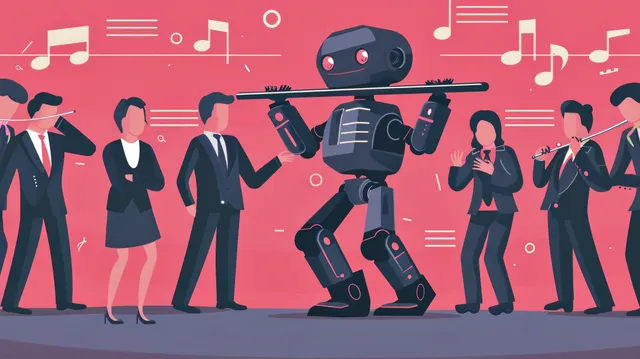
These days, it is pretty common to hear venture capitalists wax eloquent about “AI”. But before the “official” launch of “OpenAI” and its sudden rise to prominence, most of the new experts were busy diddling around with crypto and web3. Buzzword bingo is a popular sport for the investor crowd.
It’s clear that the tech industry has been flailing around looking for the next big thing for nearly a decade. From crypto and Web3 to the Metaverse, they’re constantly looking for the next engine to generate ever bigger profits. Merely obscene profits are not enough, it seems. They need to be grossly obscene.
But it’s also worth noting that many of the sudden converts to AI as the one true future are just that: recent converts. They had — and have — no more insight than anyone else, they just move more quickly once they see the way the wind is blowing.
And I see you folks who I was listening to, rapt, two decades ago as they talked up blogging. I see you hopping from subject to subject. I see you smoothly transitioning from Blockchain guru to Metaverse analyst to AI expert.
This isn’t evangelism. This is grift.
Should AI falter or, at least, fail to live up to its claims, they’ll be off to the next big thing pretty sharpish. Don’t keep following them, like children after the Pied Piper, to your doom.
Wait, but…
Those of you who have known me, or have been reading me, for years might be inclined to challenge me on this.
“Haven’t you been a tech evangelist down the years, Adam? Haven’t you been advocating for blogging, and then social media? Aren’t you still actively teaching SEO?”
And the answer is, of course, yes. But I truly to try to be selective about what I evangelise and what I’m wary of. My biggest single “I told you so” was Facebook, where my every suspicion can true. Probably my biggest miss was that I thought eBooks would become a bigger revenue stream for journalism — as a way of repackaging existing work, and generating more revenue — than it proved to be.
The fair-weather Tech Friend
In the end, the tech industry is not our friend. It produces great tools that have transformed our lives and our businesses. But, as with all companies, they serve themselves first, and everyone else somewhere down the line.
Our job is to critically evaluate new tools, think carefully about what opportunities they offer, and what risks they pose. And navigate them for the good of our businesses and our readers, or viewers, or listeners.
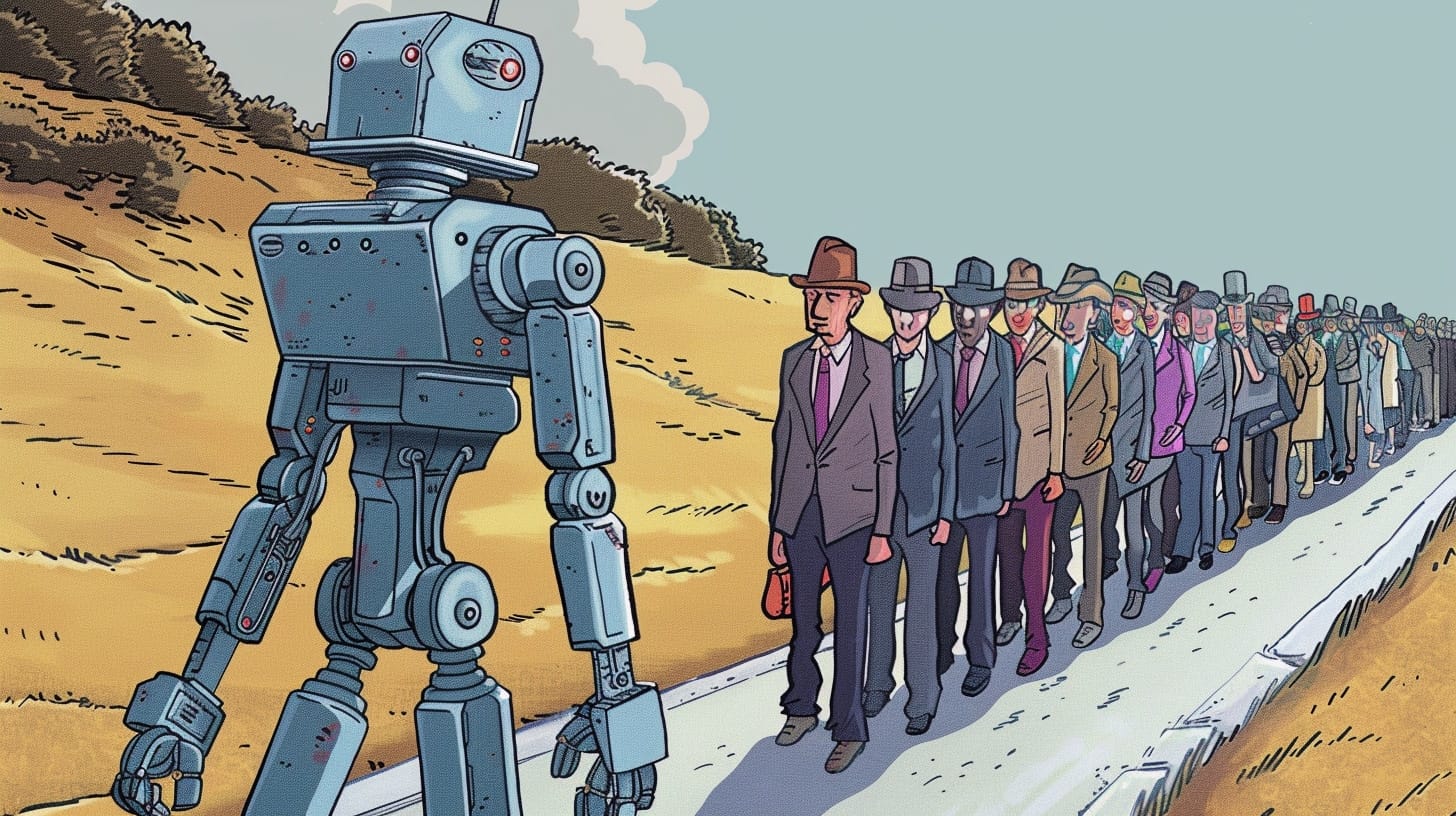
But the lure of the Pied Piper is strong, and already some publishers have followed the music for too long. Sites and publishers using AI to generate articles are seeing a sudden and dramatic brutalisation of their search traffic, as Google tries to push back against AI-generated text clogging search results pages.
Too many publishers’ first instincts is to dance to the tech Piper’s tune, to cut costs by replacing human staff with AI. But there’s no competitive advantage in that, is there? Everyone can cut costs in exactly the same way, and suddenly, we’re in a race to the bottom.
Always remember the audience
And nobody is thinking about the consumer. How open are they going to be to reading AI-generated content?
Anecdote is not data, of course, but I know I’m always interested in who wrote what I’m reading. With apologies to Roland Barthes, people are generally interested in other people more than they are abstract ideas like “brands” or “texts”. (Those who are fiercely brand loyal actually tend to be community loyal — their brand affiliation is a badge of membership of a particular, often aspirational, community.)
The fact that an audience at SXSW, normally something of a tech love-in, booed an AI sizzle reel, should give people pause:
You love to hear it pic.twitter.com/46OXfiIk0r
— Marcelo Pico (@MarceloJPico) March 13, 2024
In an age where everyone has access to cheap generative AI, it confers no competitive advantage. Is the real competitive advantage in building the profile of your journalists and editors, in engendering trust between them and the audience and then, perhaps, figuring out where AI fits in?
Many of the emerging media subscriptions I pay for, I would abandon in a second if they started using Generative AI to produce their newsletter or podcast. These of forms of media where the human connection is central: relationships that blur the lines between parasocial and social.
Finding AI’s role
Sure — there are forms of reporting where just getting the data out quickly is vital, including market and company reporting. AI might well have a role there, but in analysis and contextualisation, I’m much less convinced. Maybe it can help those analysts do their research faster and more comprehensively… But what about hallucinations?
Here’s another quote for you, a much older one, to conclude:
We overestimate the impact of technology in the short-term and underestimate the effect in the long run.
You’ve probably seen that attributed to Bill Gates, but he was almost certainly paraphrasing Roy Amara from the 1960s. Whatever the source of that, we’re right at the start of it. We’re deep in the over-estimate phase with GenAI.
I’m convinced that unlike some of their other times the Tech Piper has played, this one is here to stay. But I think we’re still a long way from figuring out how and where we should use it. But we do need to start — but cautiously, focusing on our own needs, not those of the tech companies.
Some variations of the Gates/Amara quote from above finish with this:
Don't let yourself be lulled into inaction.
And that’s also true. Don’t dance to the piper’s tune. However, don’t ignore the rat problem either…


