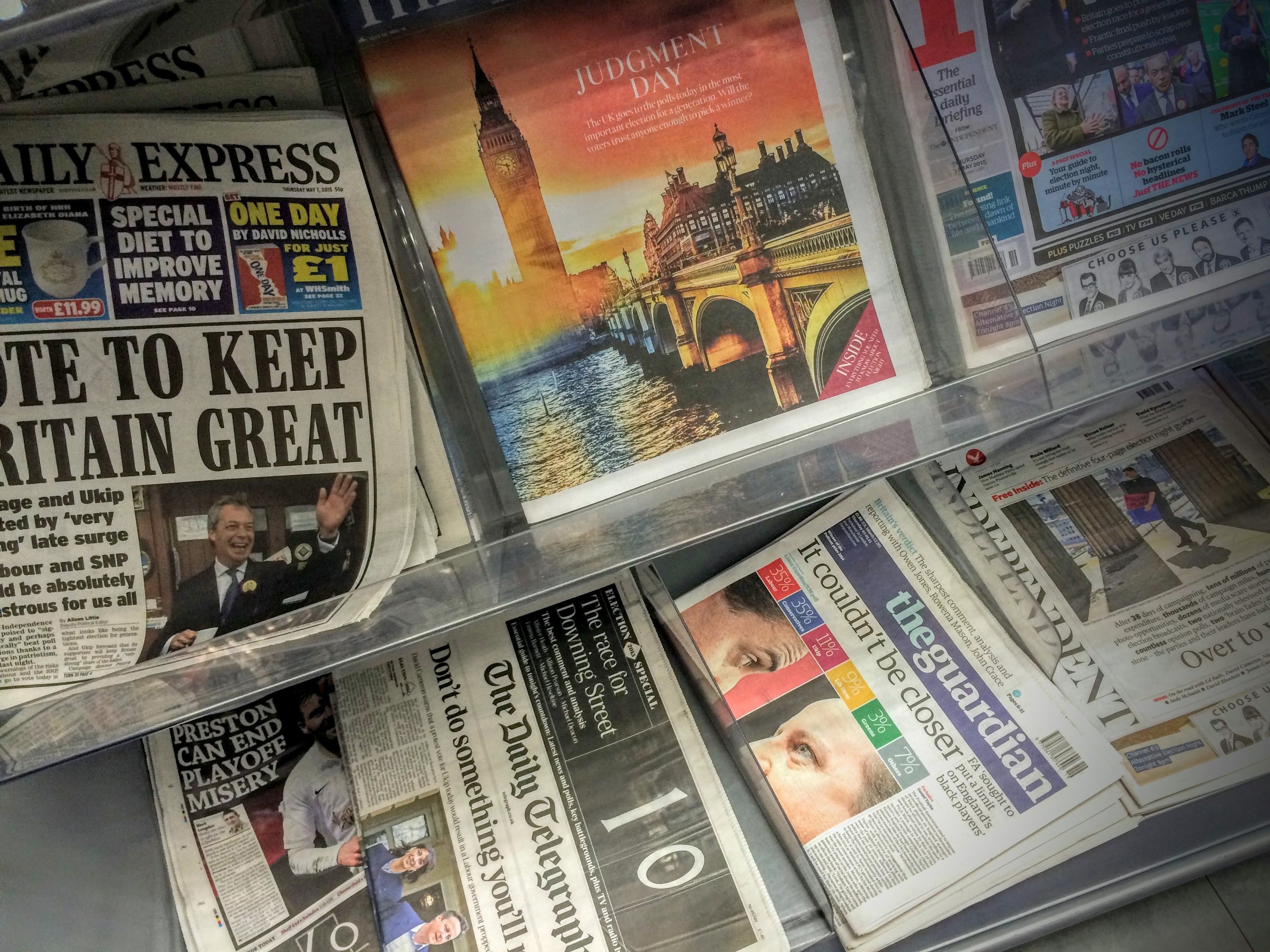
Seeking refuge from the technofeudalist attention economy – in print
Print doesn't have to die for digital to win.
future of print
Build a newsletter, develop a community and then print a mag.
magazines
Magazines can thrive serving markets that are wary of screens, as long as they rejoice in their staus as physical objects
Even in the digital age, we should value the unique qualities print can offer.
business models
How is The Indy doing in its post-print existence? Rather well, it turns out…

indie magazines
During one of my lecturing sessions at City [http://www.city.ac.uk/courses/postgraduate/interactive-journalism], University of London last week, I made the point that just because you’re most associated with digital, doesn’t mean you don’t – and can’t – love print, too. That’s certainly the
death of print
Roy Greenslade [http://www.theguardian.com/media/greenslade/2016/feb/17/newsprint-newspapers-even-in-the-digital-age-remain-very-special] : > So, in conclusion, ponder this question: in a world without newsprint, will journalists be able to carry out their central mission to prevent government, big business and the various institutions from doing as they like? Yes. Next
death of print
For years, those of us who have been thinking deeply about the digital translation have been asking the same question: > What happens when one of our national newspapers closes – or goes online only? Anyone who didn’t know that day was coming has either been sticking their head in
comics
30 years of selling comics in London [http://www.goshlondon.com/2016/02/gosh-its-our-30th-birthday/] Gosh, a London comics shop, is 30 years old: > So not a bad year for comics, and not a bad year for us: on the 14th February 1986, Gosh! Comics opened its doors for the
circulation
Just 31% of Brits get their news from print newspapers [http://www.talkingnewmedia.com/2015/12/16/ofcom-report-reveals-falling-readership-for-uk-print-newspapers-rdio-bids-farewell/] And that’s down from 40% a year ago. Worryingly, there’s a rise in those who don’t follow the news at all.
business models
I’m astonished by how many people are sharing this report as good news: > At an aggregated level, combining revenues from the newspaper, book, and magazine industries across more than 50 markets worldwide, we forecast that just 24% of revenue will come from digital in 2020, up from 14%
Journalism
Merciless attack on print nostalgists [http://www.shirky.com/weblog/2014/06/nostalgia-and-newspapering/] from Clay Shirky: > The most important fight in journalism today isn’t between short vs. long-form publications, or fast vs. thorough newsrooms, or even incumbents vs. start-ups. The most important fight is between realists and nostalgists.