bundling
Are we really going to do the "news bundle" conversation yet again?
Oh, look the "iTunes/Spotify/Netflix for news" idea is on its annual outing.
bundling
Oh, look the "iTunes/Spotify/Netflix for news" idea is on its annual outing.
Medium
Is Medium slowly becoming the Huffington Post circa 2008? It's hunt for more content suggests it might be.
business models
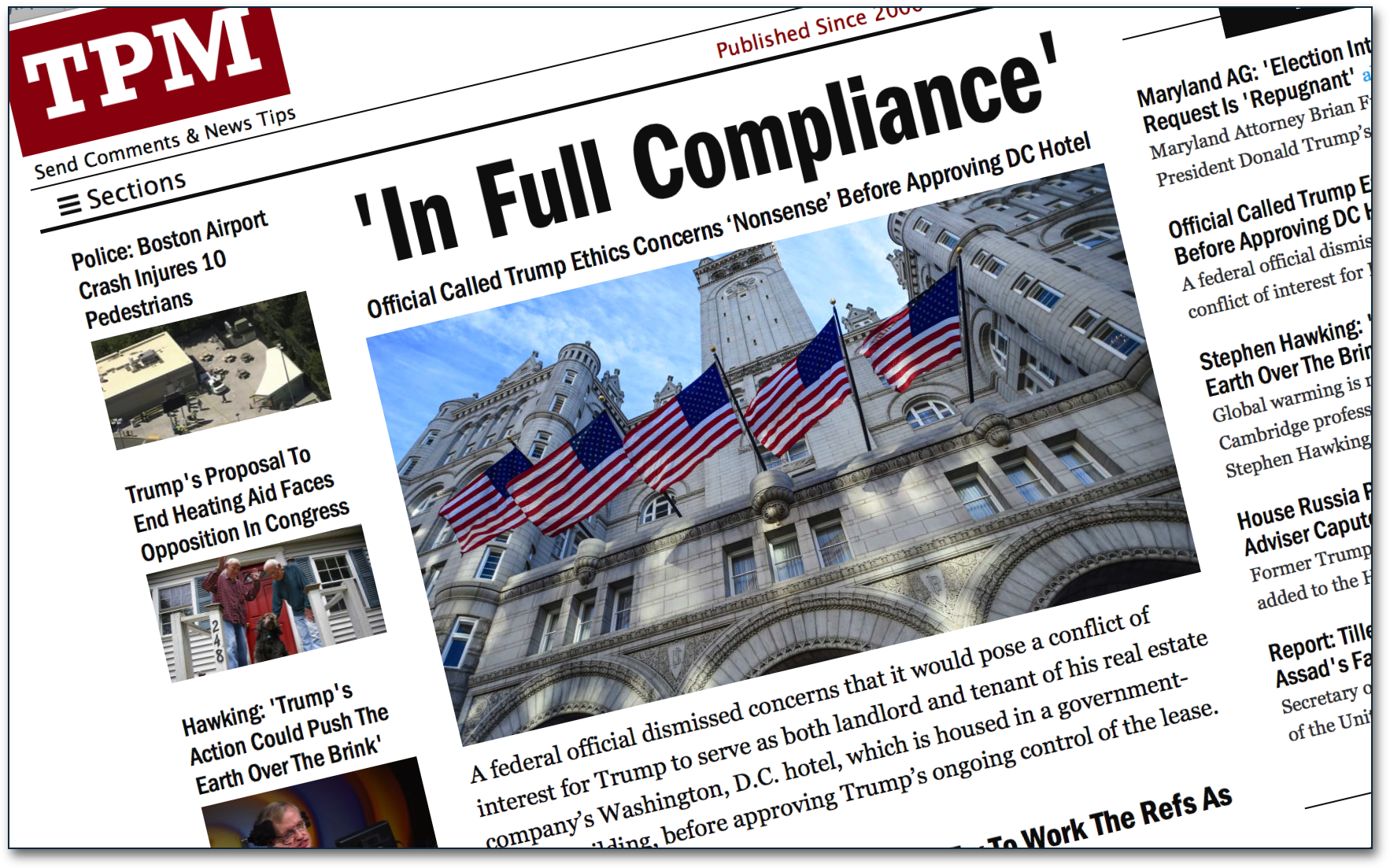
Laura Hazard Owen of Neiman Lab has done an interesting interview with Josh Marshall of Talking Point Memo, in which he discusses the idea of putting some member-only content behind a paywall. But that content wonât be the liberal-centric reporting the site is best known for: itâll be
business models
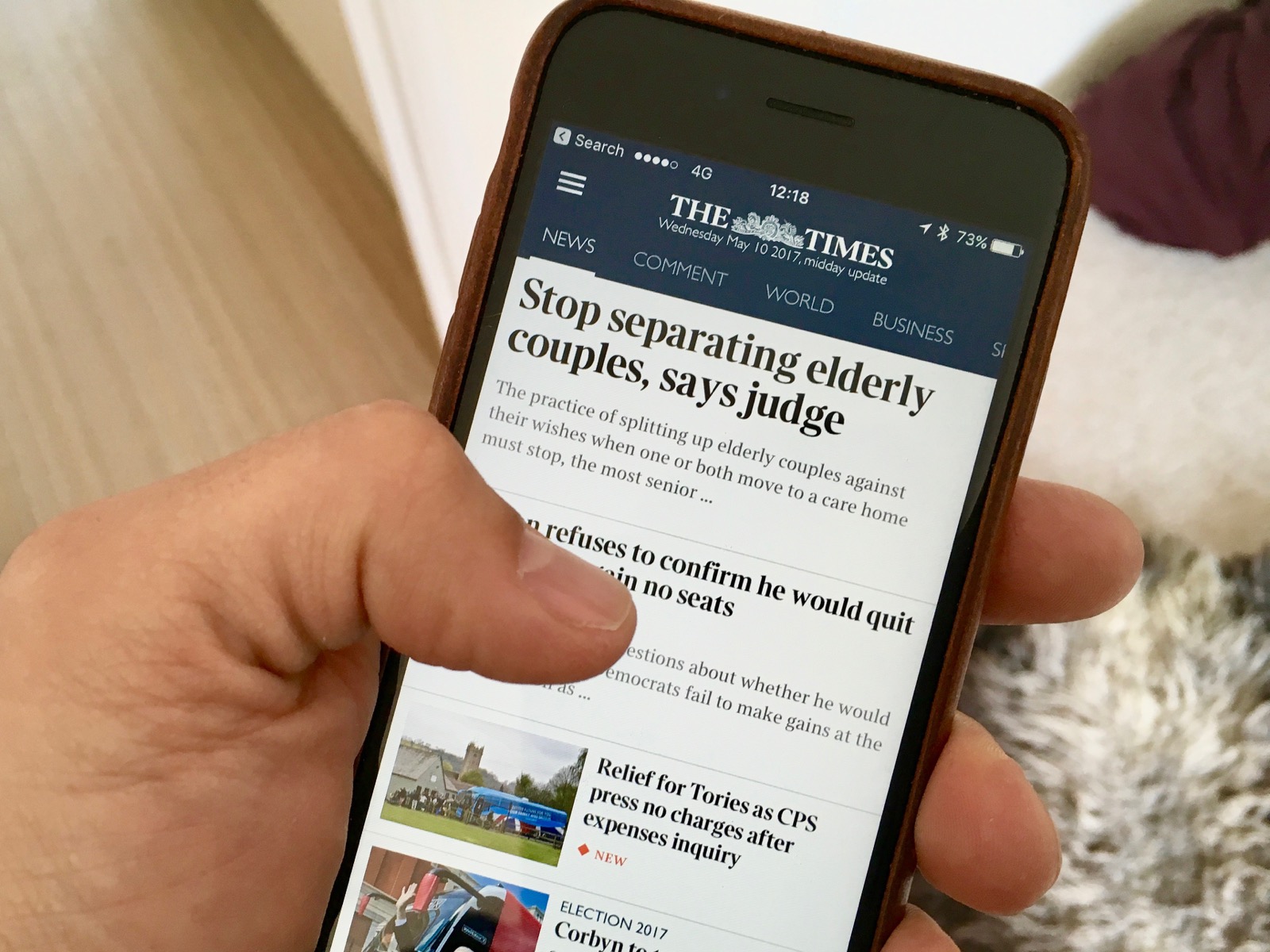
You may recall that a year ago, The Times did an unexpected thing: it backed away from 24 hour rolling news on its websites, and switched instead to an editions model [https://www.onemanandhisblog.com/archives/2016/03/times-digital-editions-relaunch.html] . The big question: did it work? The answer, based on
business models
Another set of liveblogged notes from Digital Media Europe 2017. Typos, inaccuracy and howling crimes against grammar and syntax probable. Stefan Plöchinger, Digital Editor, SĂŒddeutsche Zeitung and Editor in-Chief, SZ.de Who are SĂŒddeutsche Zeitung [http://www.sueddeutsche.de]? They are the paper that got the Panama Papers [http://panamapapers.
Norwayâs Amedia is successfully converting local newspaper readers into digital subscribers. Hereâs how they do it.
digital strategy
Another set of liveblogged notes from Digital Media Europe 2017. Typos, inaccuracy and howling crimes against grammar and syntax probable. Lisbeth Langwadt, Head of Paid Content, Ekstra Bladet â EKSTRA & Print Secrets to digital innovation⊠1. You have to reorganise They used to have two silos at Ekstra Bladet [http:
brexit
The Financial Times dropped its paywall over the Brexit weekend, deeming it important enough to give full access to its journalism. The result? A subscriptions surge [http://digiday.com/publishers/ft-drove-digital-subscriptions-sales-600-percent-brexit-weekend/] . > In fact, the FT saw a 600 percent surge in digital subscriptions sales over the weekend (compared to
advertising
The Financial Times Discovers That a Paywall Is Not a Panacea [http://fortune.com/2016/04/22/financial-times-cuts/] The Financial Times is going through some financial hard times, and itâs down to print advertising, not the (successful) paywall. Matthew Ingram: > Lamont said in his memo to FT employees
business models
Pando, occasional unapologetic copyright thieves [http://www.onemanandhisblog.com/archives/2015/06/pando-copyright-abuse.html], have decided to erect a paywall [https://pando.com/2015/06/22/welcome-new-pando/]: > From today, the newest articles on Pando will be available to members first. Membership costs just $10 a month (or $100 a
commenters
Douglas Boulton [http://dougbolton.co.uk], one of this academic yearâs crop of Interactive Journalism students at City, has just finished a couple of weeks as Ben Whitelawâs personal coffee tabledoing shifts on The Timesâs community desk [http://www.interhacktives.com/2014/12/31/how-to-comment-online-without-being-a-jerk/] , and heâ
business models
One of the interesting things to surface in the work Neil [http://www.onlydeadfish.co.uk] & I did with the FT last summer was how different the readership for the paper is at the weekend. It looked like there might be an opportunity there. Well, it appears that the