
influencers
Rise of the Memeocracy — and its cost
We reward the ability to win attention with fame, validation and money. But that comes with a psychological price.

influencers
We reward the ability to win attention with fame, validation and money. But that comes with a psychological price.

digital diet
A week's digital disconnection has left me refreshed, but lacking enthusiasm for reconnecting on social media. Here's what I'm going to do about it.
attention
Jason Kottke on why Facebook won: [https://kottke.org/17/12/stop-using-facebook-and-start-using-your-browser] > […] using Facebook instead of just bookmarks is compelling in the same way that shopping at Walmart instead of small-town shops was in the 80s. We blame Walmart for decimating small businesses, but ultimately, small town shoppers chose

attention
This is a really good guide to retaking control of your attention [https://medium.com/on-advertising/self-defence-age-of-attention-c4c0e86e1b9d]: > The first step for successful self-defence is avoidance. Try to avoid as many dangerous situations as possible. In this context this would mean, stay away from every distraction, which doesn’t add

attention
The last few weeks have made it plain that digital media is stumbling. Buzzfeed UK is cutting back – hard [https://www.onemanandhisblog.com/archives/2017/12/buzzfeed-uk-redundancies.html] . Mashable has been flogged off a what is a knock-down price compared to its valuation a few years ago, and is laying
attention
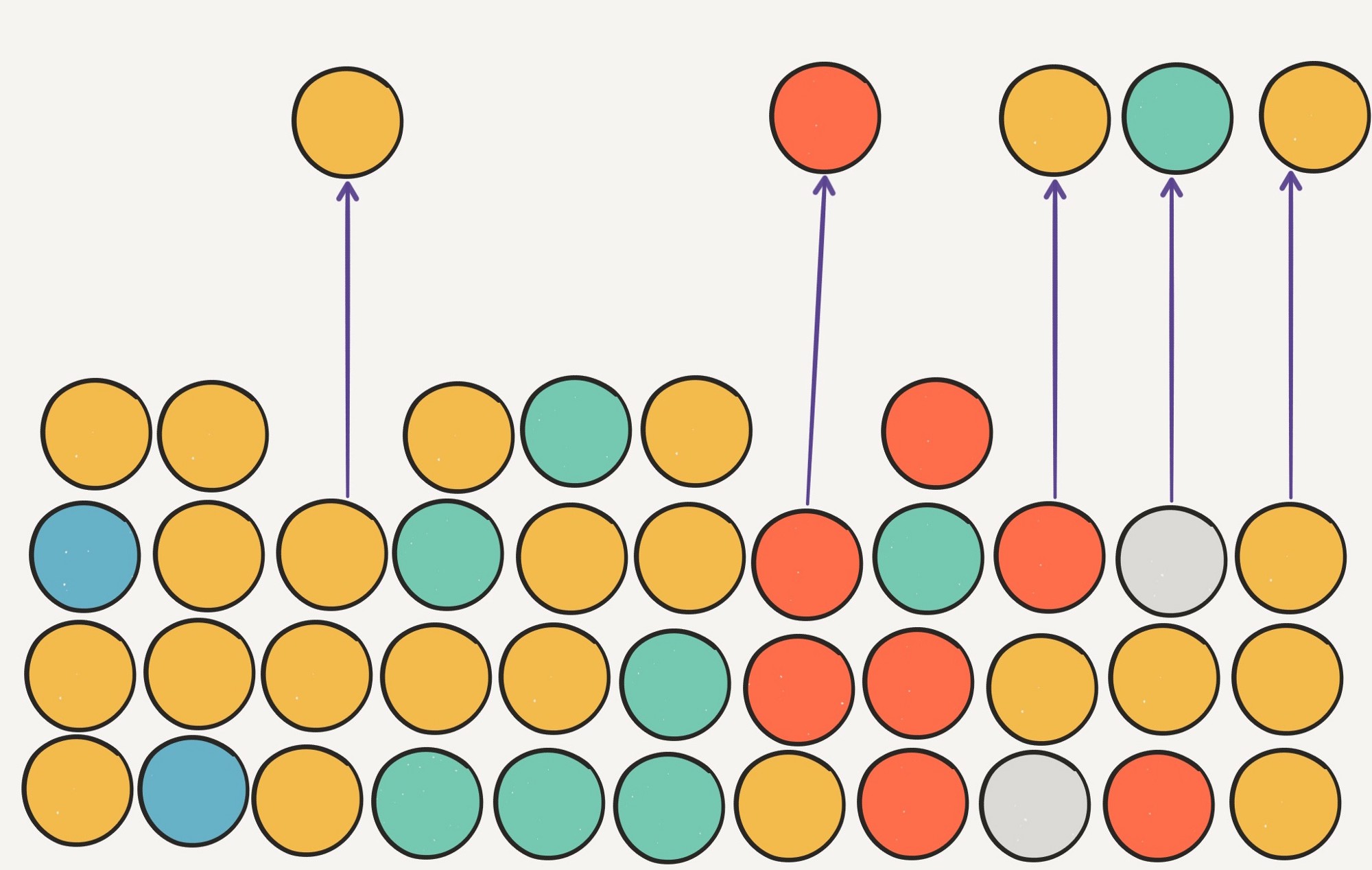
I drew a bunch of dots to explain why social media is broken [https://blog.this.cm/i-drew-a-bunch-of-dots-to-explain-why-social-media-is-broken-97725e2f0cc4#.13aly8rci] I missed this back in January when it was first published, but it’s so worth your time: > The savviest digital media companies know they’re in an arms race
analytics
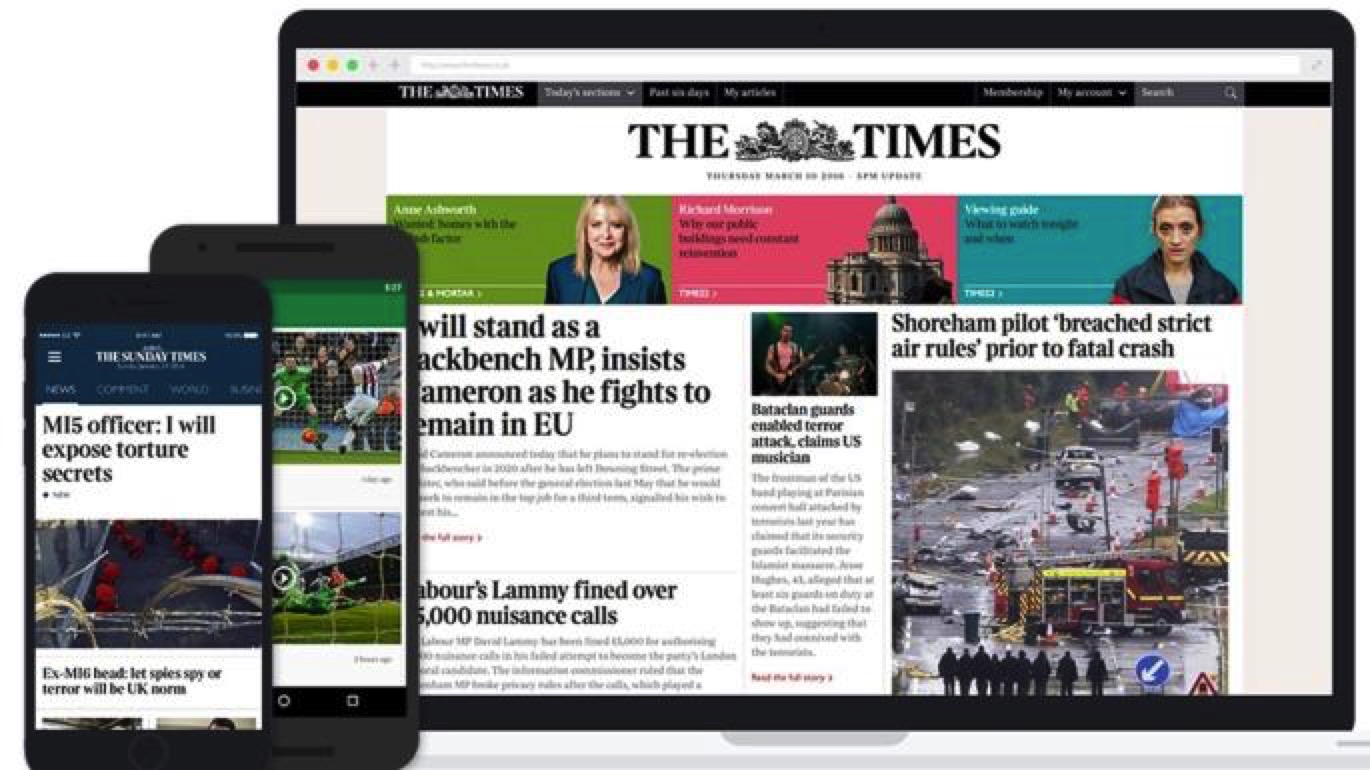
The big news is out. The Times, already an outlier amongst UK newspapers in having a hard paywall, is changing its model again [http://www.thetimes.co.uk/edition/news/a-letter-from-the-editors-fdrq0p2p0]. Not the paywall – this is not a retreat from paid as its stablemate The Sun has done. No, this

asymetric follow
Twitter has a tin ear [http://www.theatlantic.com/notes/2016/01/more-on-twitters-tin-ear/424923/] > This is the nine-zillionth reminder of the reality that new communications technology doesn’t change old realities of human nature, or increase the number of hours in a day, or change the supply-demand imbalances in

analytics
I’ve just finished* running a workshop on analytics for journalists at news:rewired this afternoon [https://www.newsrewired.com/agenda-6/]. Here’s a selection of links I promised the attendees to allow them to explore some of the issues contained in the presentation in more detail: * One Trinity Mirror
attention
Khoi Vihn, designer and former New York Times staffer, as part of his lukewarm response to the new New York Times magazine [http://www.subtraction.com/2015/02/20/behind-the-relaunch-of-the-new-york-times-magazine/] : > It’s also true that part of my objection owes to the fact that I find the magazine format
attention
Here’s a fascinating interview with Maria Popova [http://www.theeuropean-magazine.com/maria-popova/8840-maria-popova-on-information-in-the-digital-age] , curator of the truly excellent Brain Pickings [http://www.brainpickings.org] blog. Some choice highlights: > I can’t speak for others, but I’ve found in myself a tendency to retreat deeper and deeper into
attention
Did you make it?